


Exploring Innovation, Collaboration, and Creativity Across Ages
Future Leaders Academy
Week 2 of the Future Leaders Academy has been a week of building, testing, performing, and reflecting as our students explored the theme ofinnovation and design.
From the youngest Wolf Cubs (ages 3–5) to our Early Innovators (6–8) and Innovators (9–11), all our Future Leaders have been busy experimenting, problem-solving, and expressing their ideas through a wide range of hands-on learning experiences. The week concluded with joyful Learning Celebrations, where families were invited to see first-hand how much learning, growth, and fun their children have experienced so far.
Our Youngest Learners:
The Wolf Cubs (Ages 3–5)
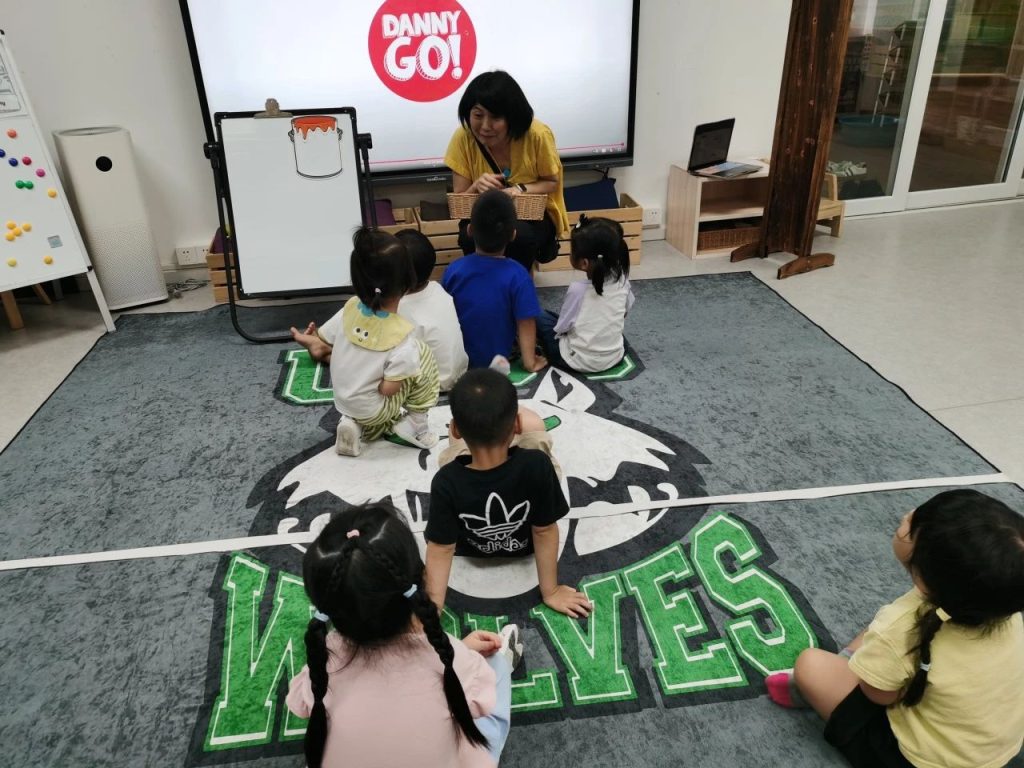
In the Wolf Cubs programme, students explored the world of colour and sea life through stories such as A Color of His Own and White Rabbit’s Color Book. These narratives inspired hands-on colour-mixing experiments, sea animal artwork, and group discussions about how to improve ocean habitats. Through these activities, children practiced early science skills and collaborative decision-making in a joyful, imaginative setting.
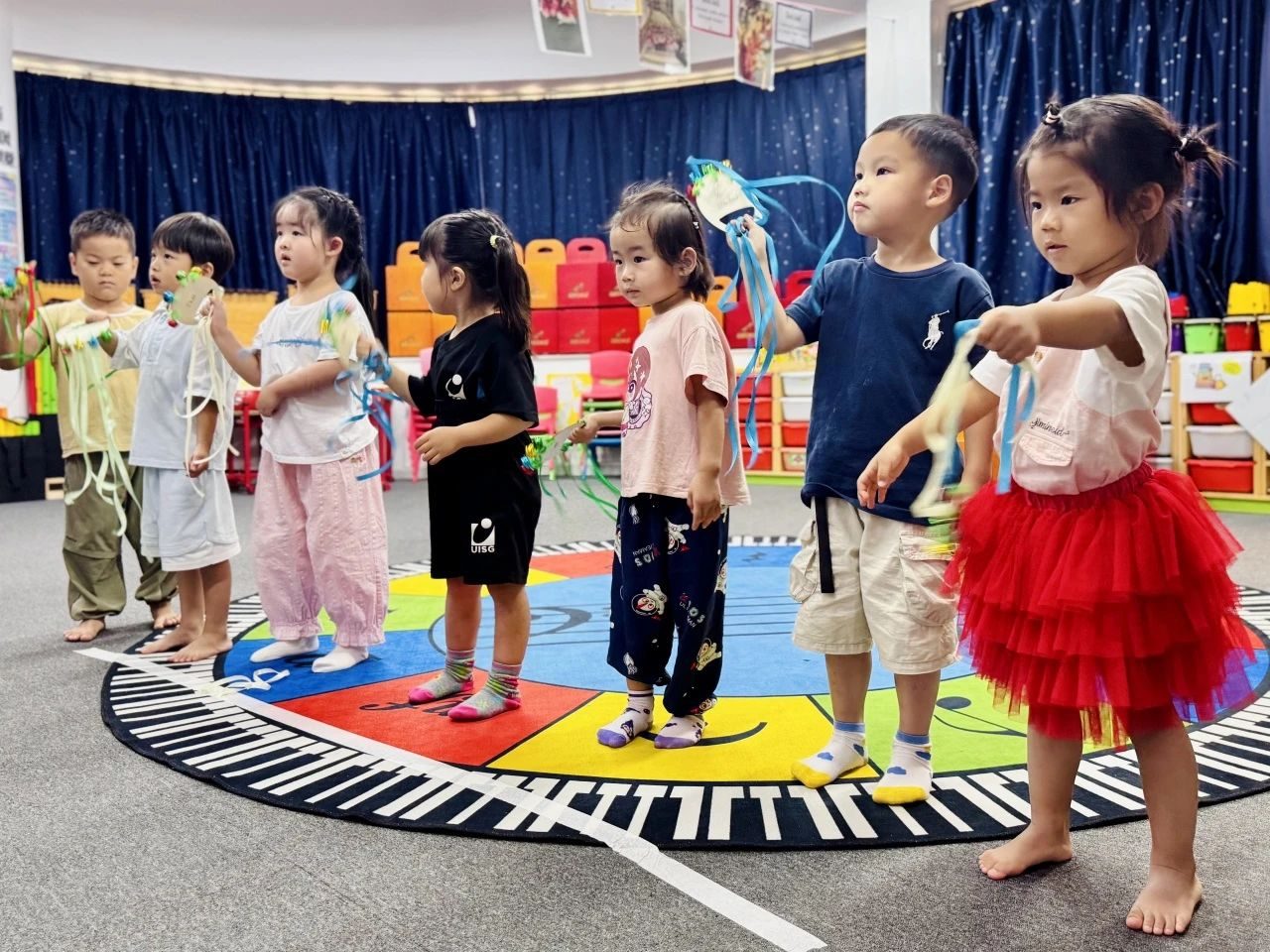
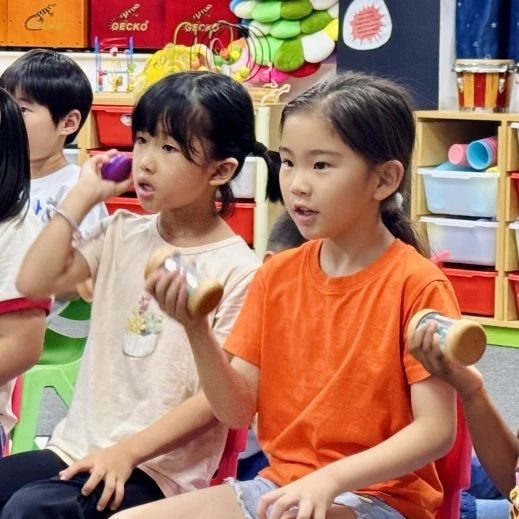
In music, the Wolf Cubs created their own handbells, learning how sound is produced and how different materials change the tone. They also began rehearsing songs and movement routines, building their confidence and coordination for upcoming performances.
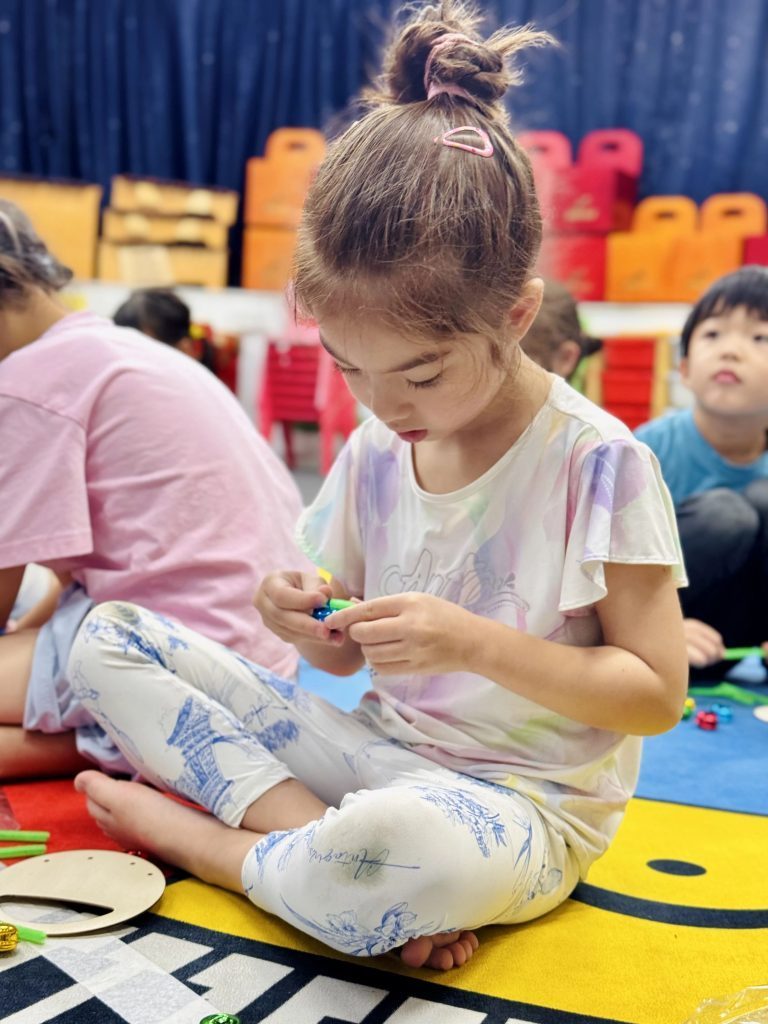
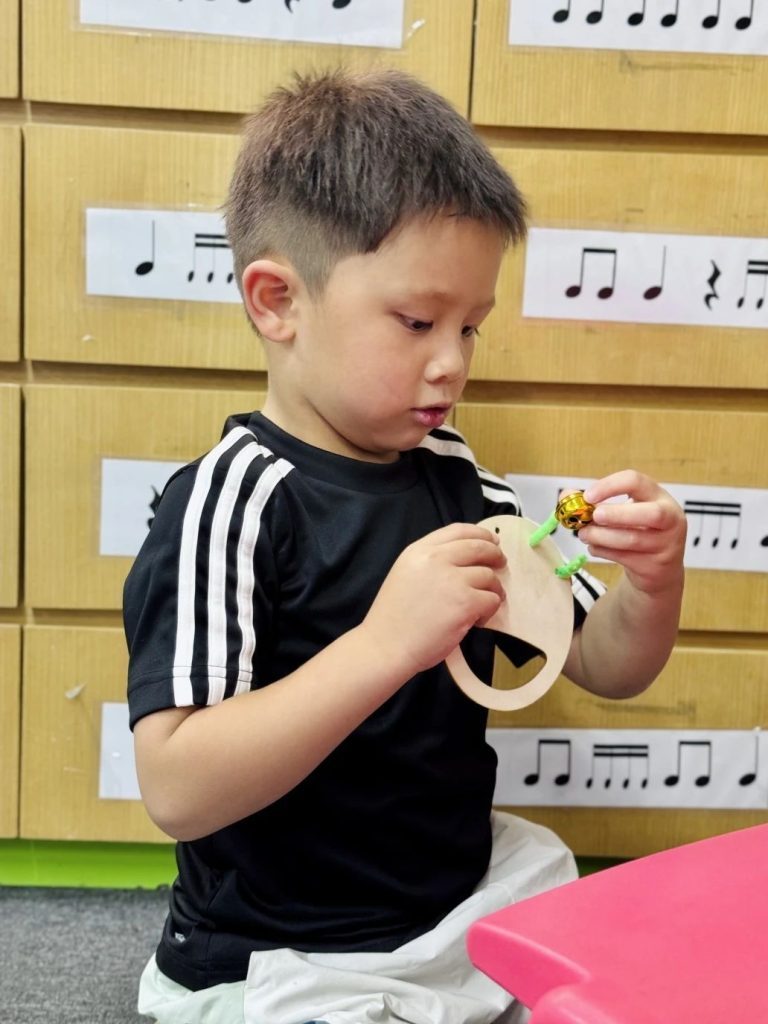
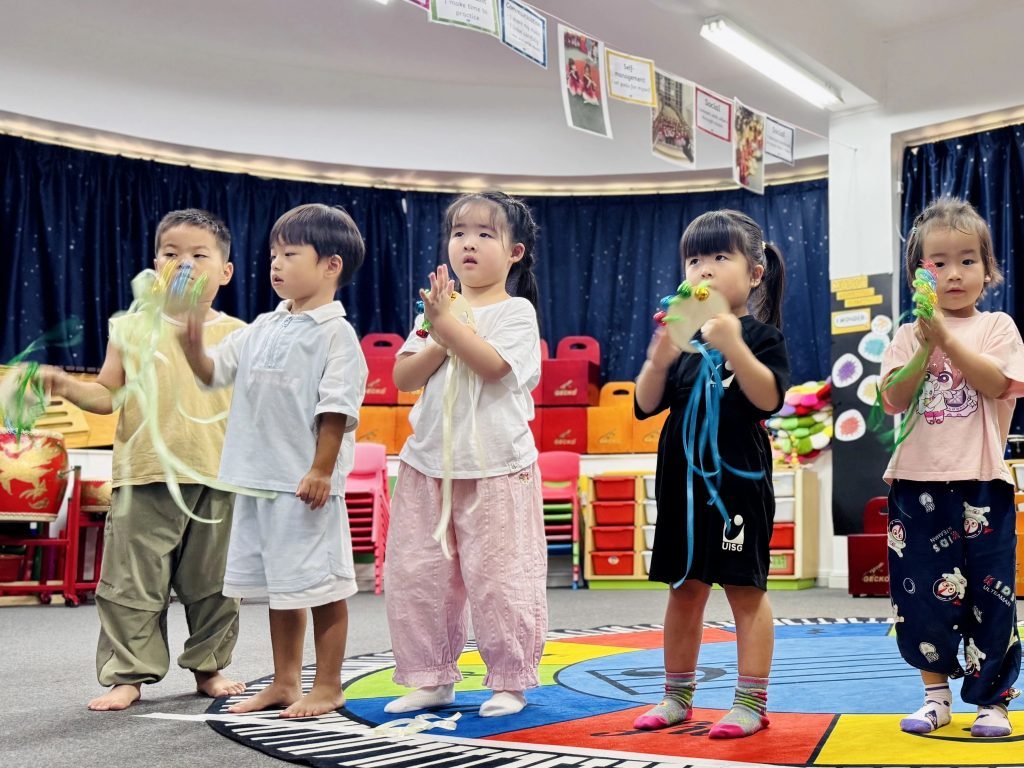
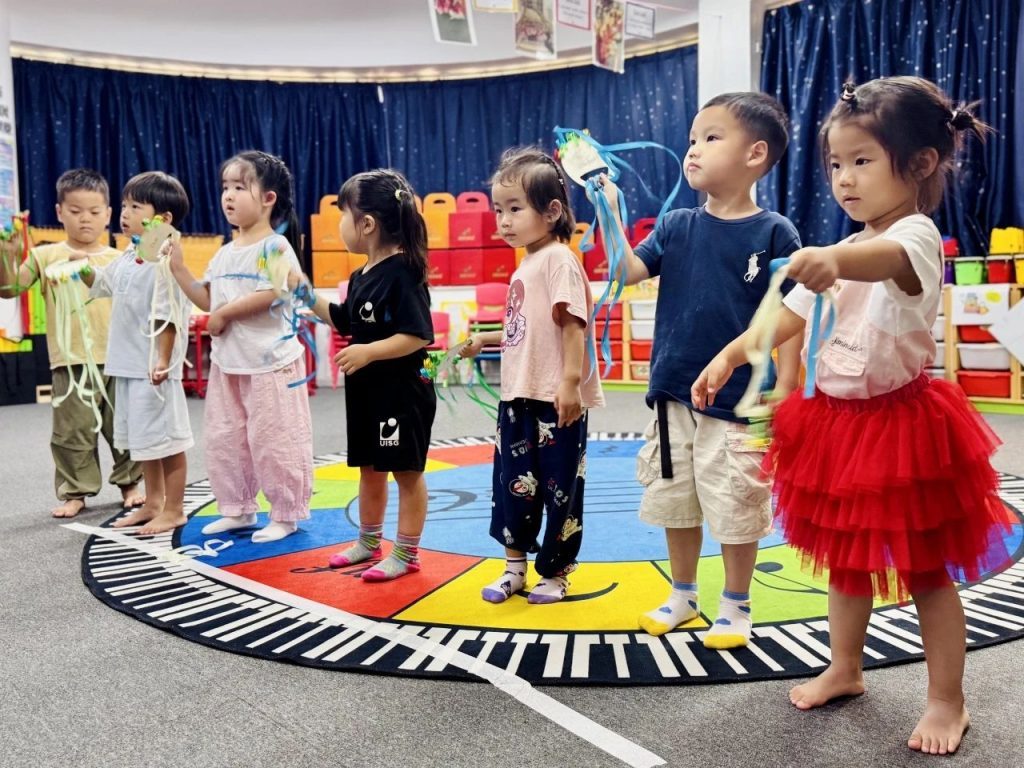
Meanwhile in art, students crafted nature-inspired sculptures using cardboard and mixed media—activities that nurtured fine motor development and creative expression.
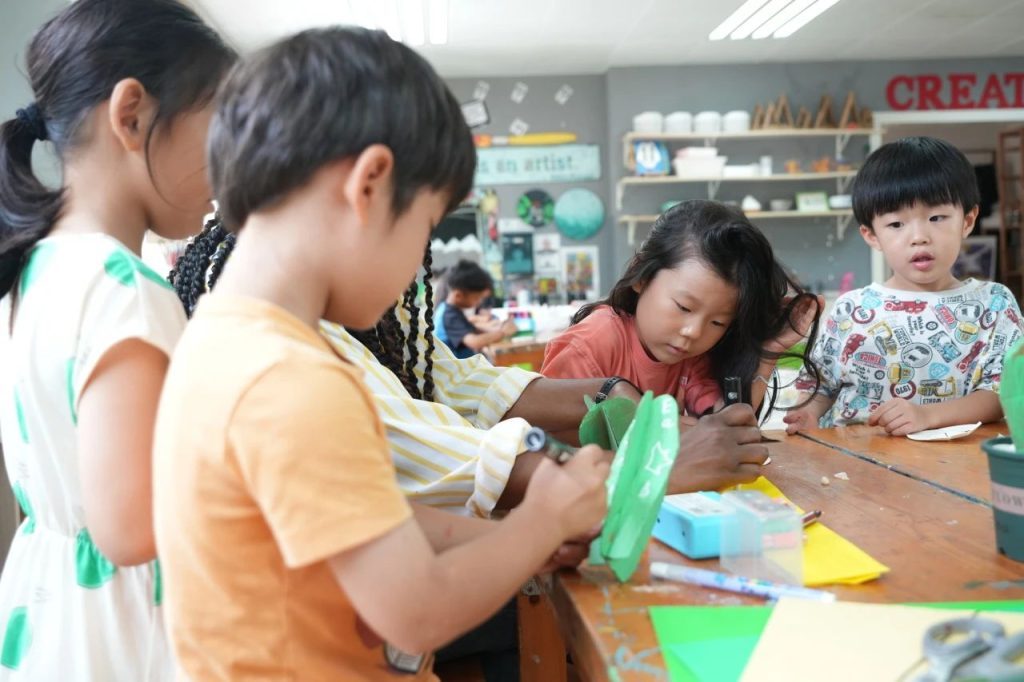
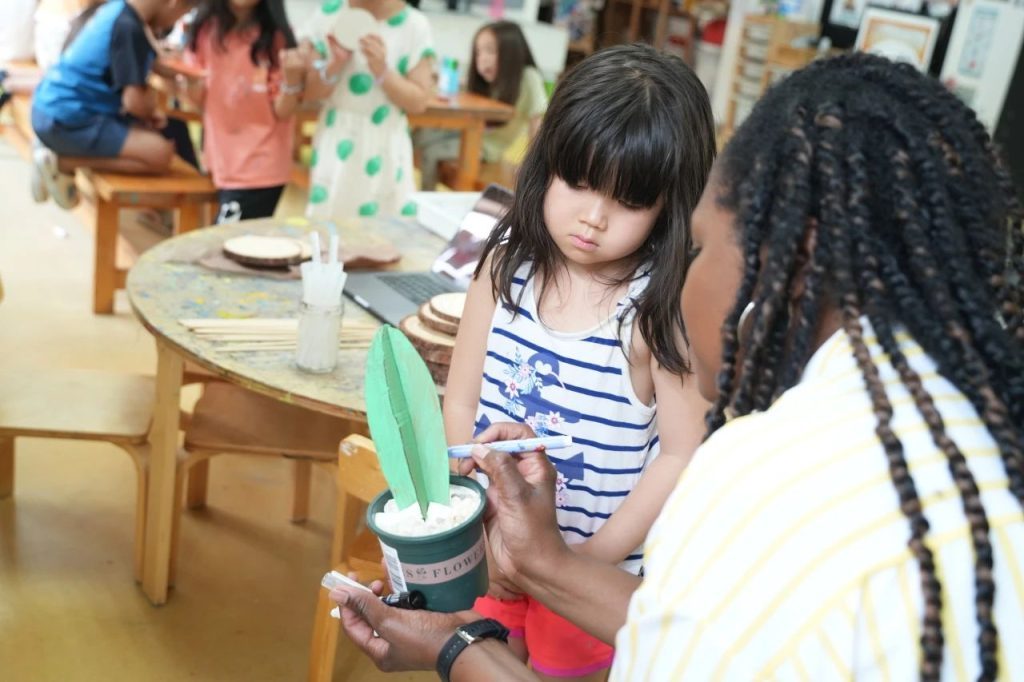
Their physical education sessions focused on locomotor skills such as hopping, skipping, and balancing. In the pool, the emphasis remained on safety, breath control, and comfort in the water, with every child progressing at their own pace.
Early Innovators (Ages 6–8)
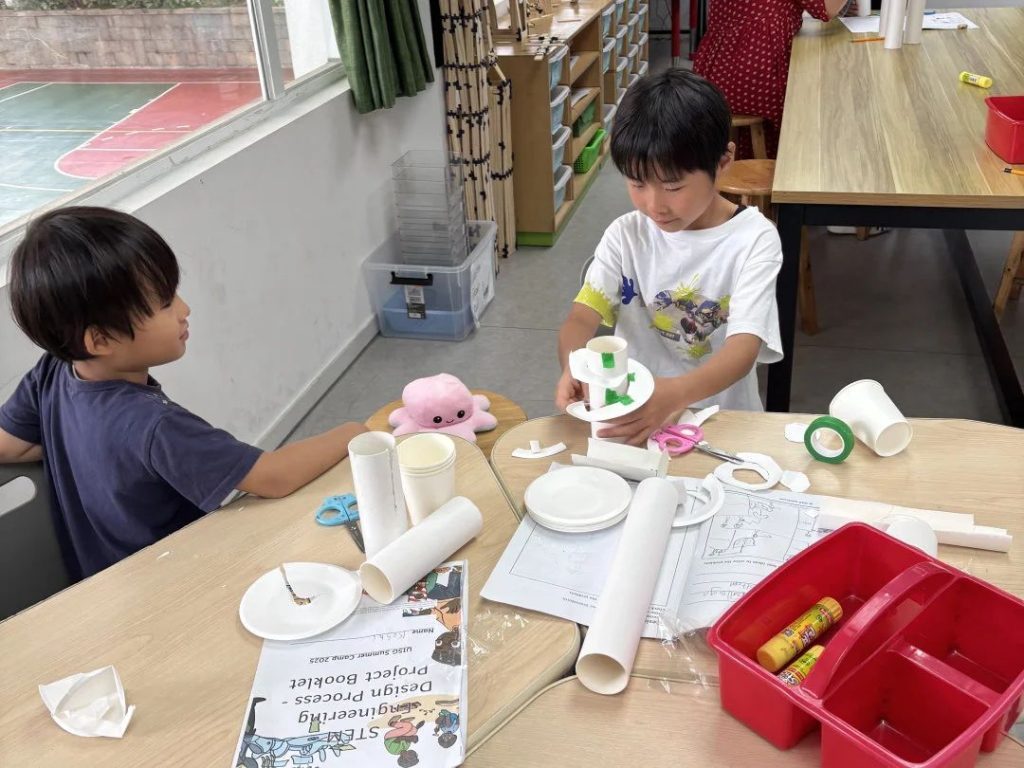
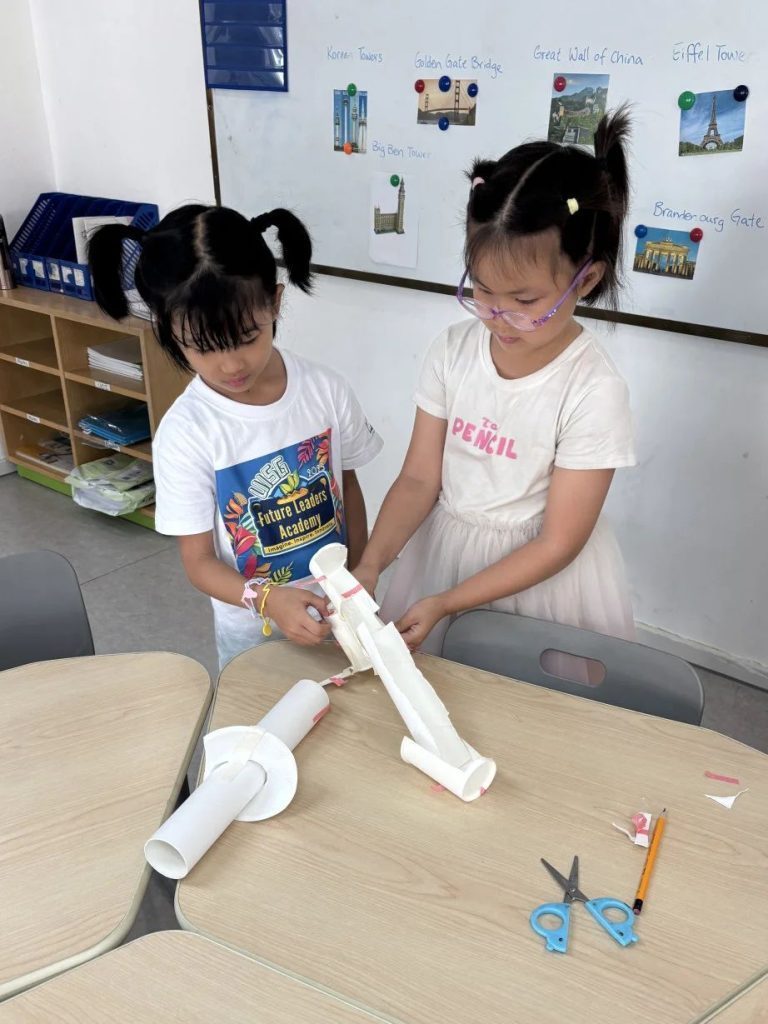
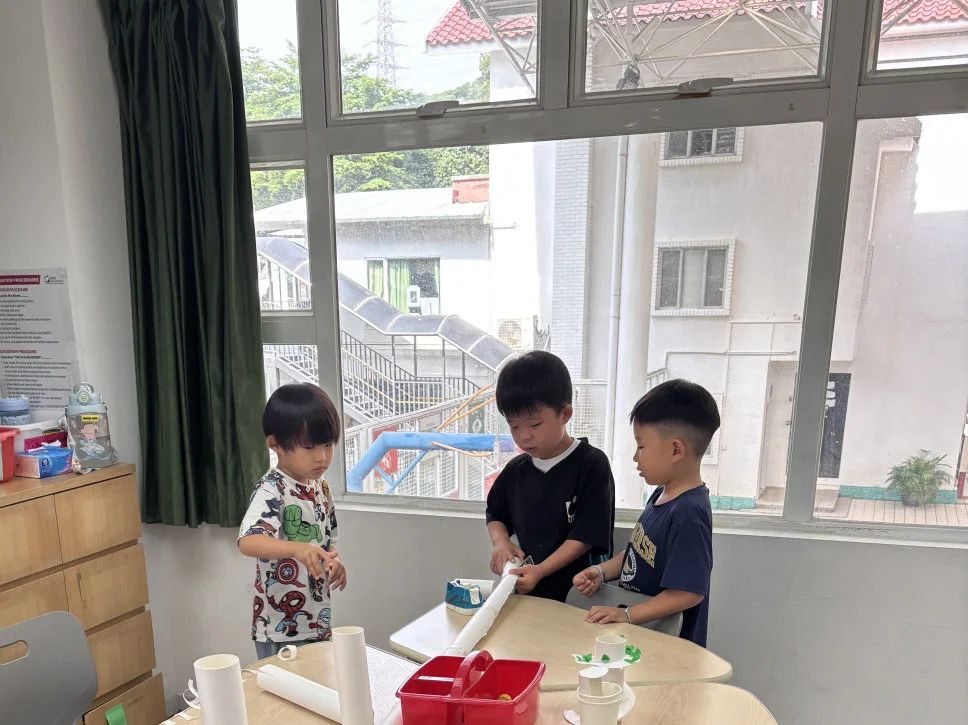
The Early Innovators were full of energy and enthusiasm this week as they tackled collaborative projects across the curriculum. In STEM, students became engineers by designing and constructing their own marble runs using limited materials. They tested their models, made improvements, and learned first-hand how persistence and iteration are key parts of the design process.
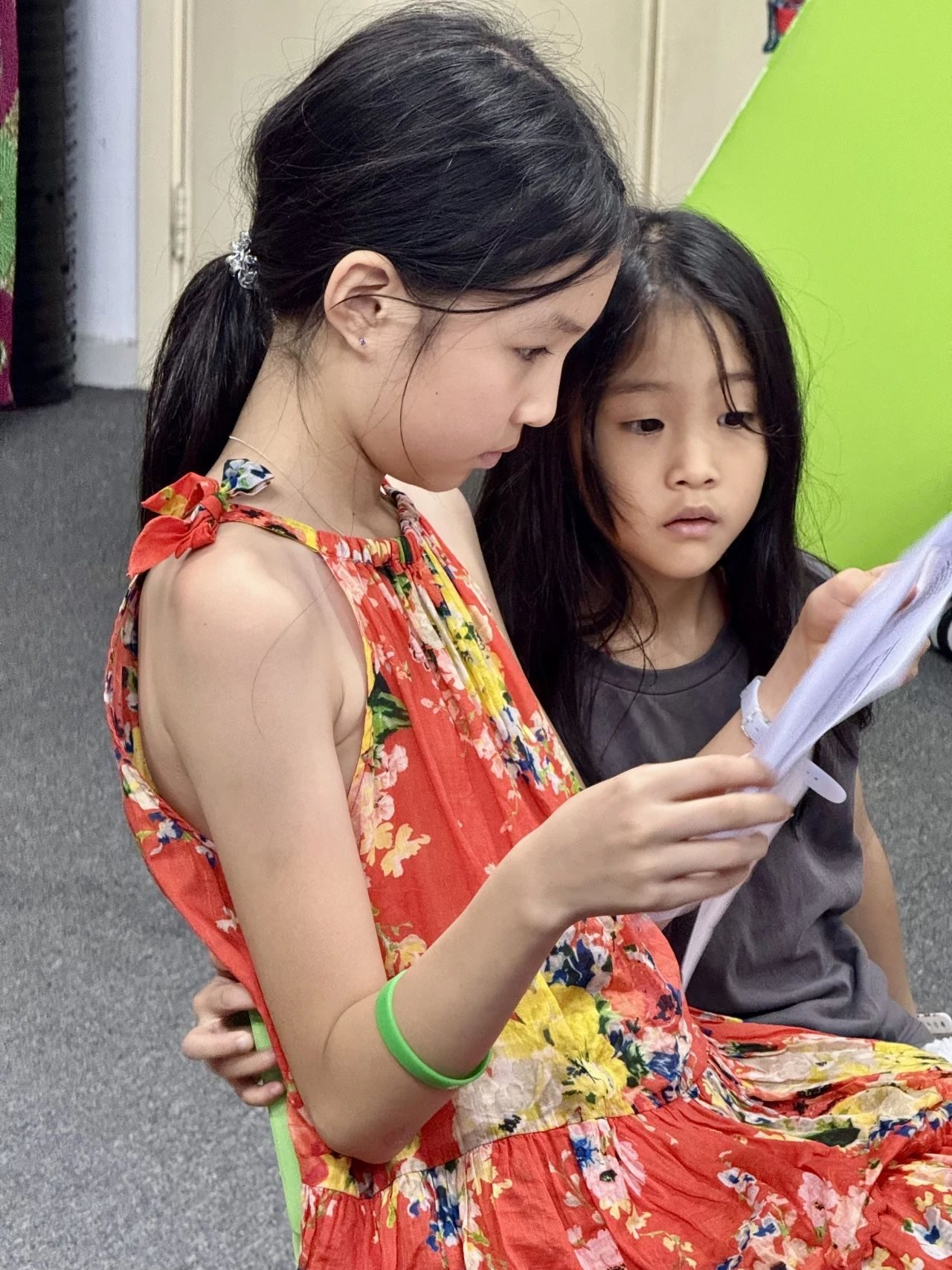
In English, beginner learners built confidence by reading aloud, writing simple sentences, and sharing ideas on everyday topics like pets and family. Intermediate learners created instructional posters for making paper airplanes—strengthening sequencing, writing, and speaking skills while having fun with hands-on learning.
Digital Exploration sessions allowed students to apply their problem-solving skills using Dash robots. Teams worked together to code, prototype, and test solutions to real-world challenges like message delivery and obstacle navigation. This blend of design thinking and basic coding fostered creativity and teamwork in an engaging, tech-rich environment.
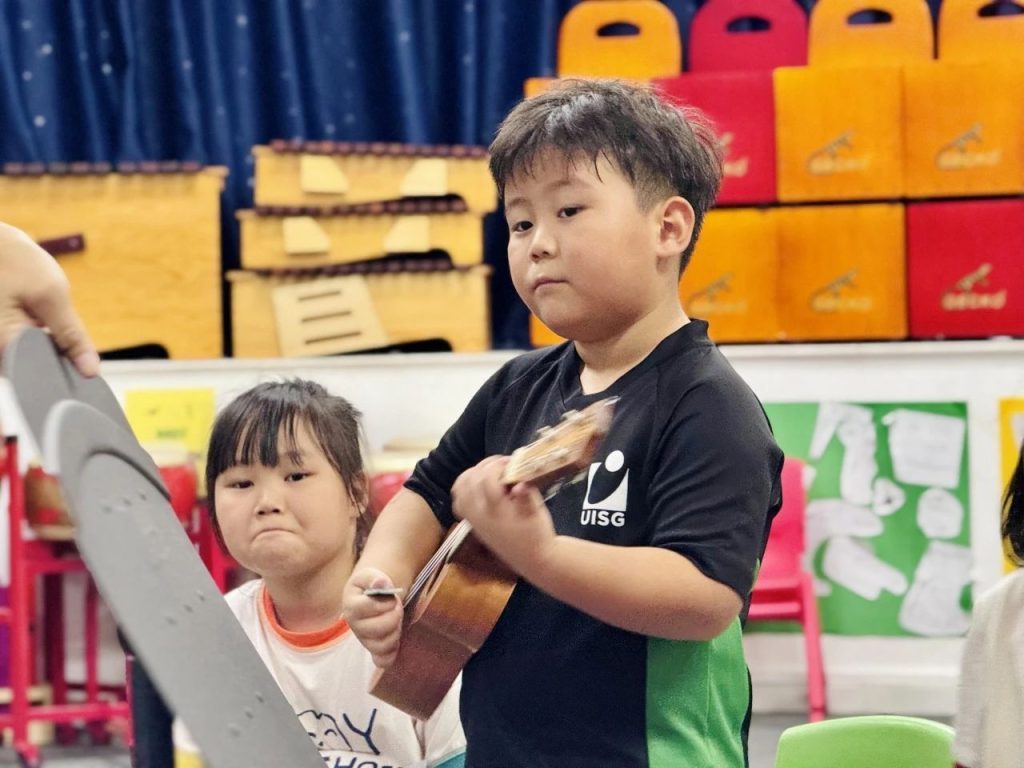
Students also explored rhythm, melody, and musical collaboration in music class through singing and playing instruments like the ukulele. In art, their nature-inspired cardboard sculptures demonstrated growing confidence with form, texture, and composition. Obstacle courses and swimming games in PE rounded out the week, building agility, strength, and coordination.
Innovators (Ages 9–11)
创新者班(9-11岁)
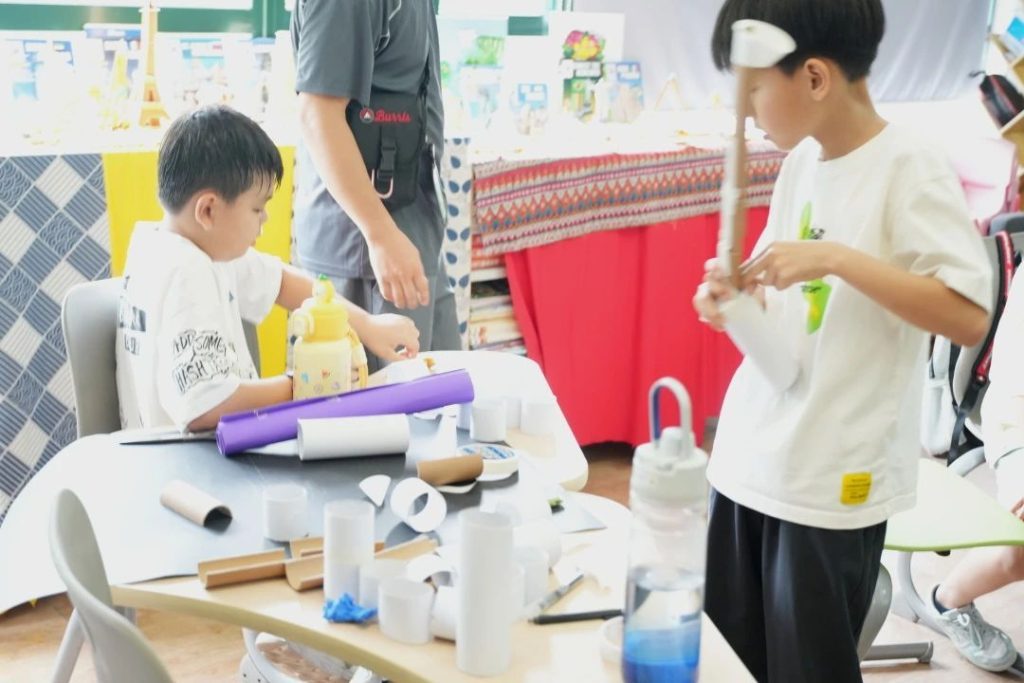
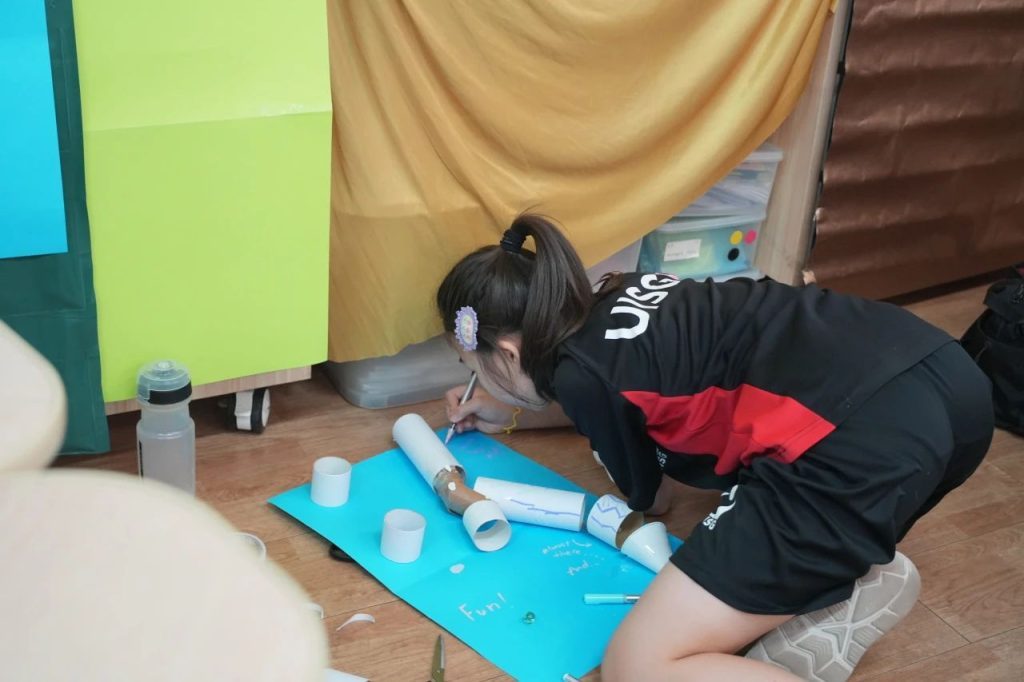
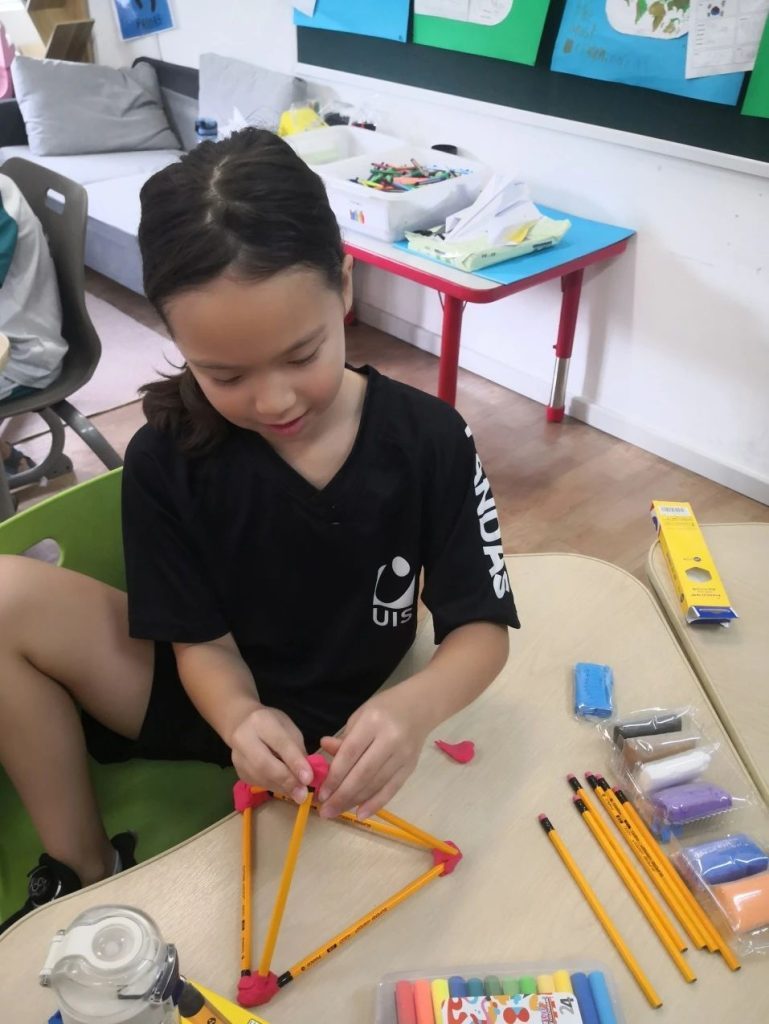
In the Innovators programme, students deepened their understanding of the engineering design process through a series of exciting challenges. They began by constructing 3D shapes from pencils and clay, then advanced to designing catapults and creating paper roll marble runs—all while working in teams to plan, test, and improve their models. These experiences supported critical and creative thinking, as well as collaboration and communication skills.
English lessons focused on instructional writing. Students practiced giving and following step-by-step directions linked to their STEM tasks, improving sequencing, clarity, and fluency through real-world application.
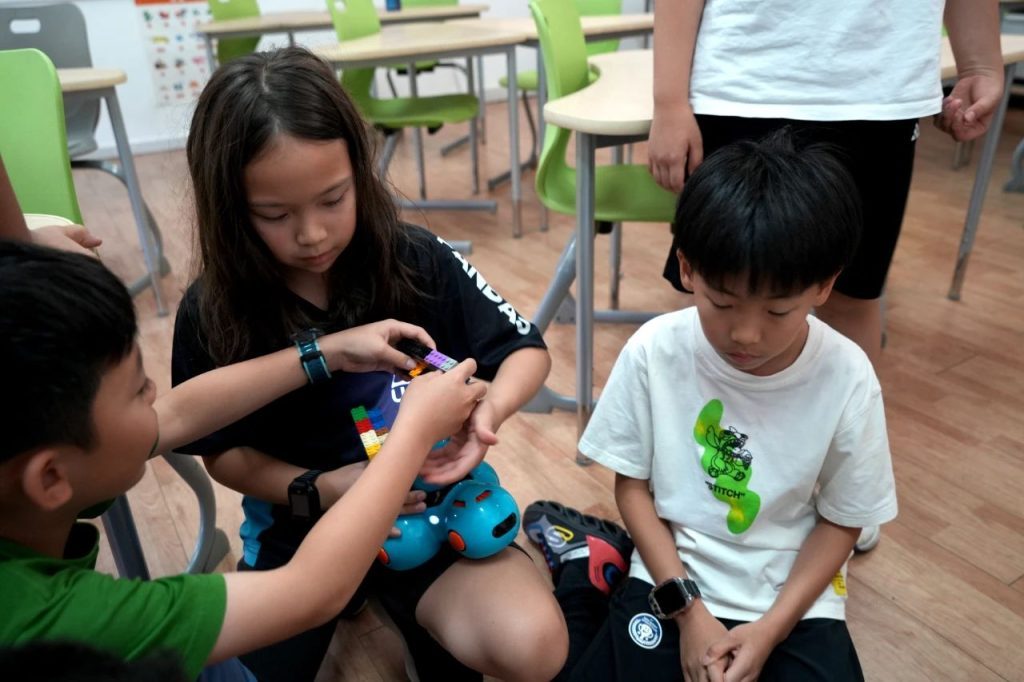
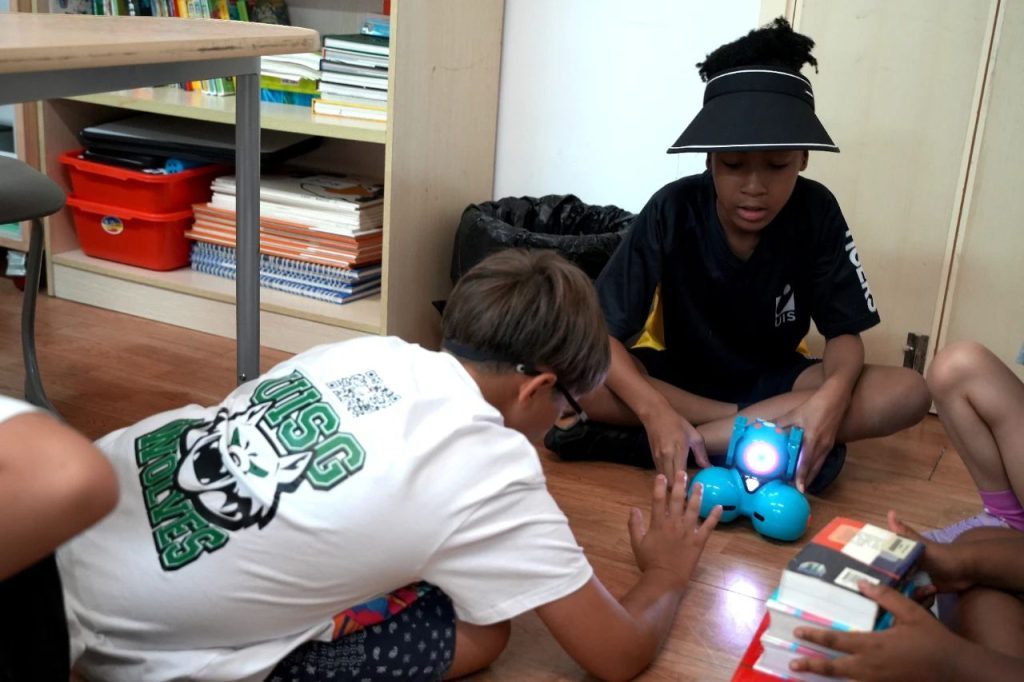
Digital Exploration extended the innovation theme as students programmed Dash robots to complete classroom challenges. Teams brainstormed, prototyped with Lego and classroom tools, coded their solutions, and then reflected on how to improve. This integrated experience combined coding with design thinking and collaborative problem-solving.
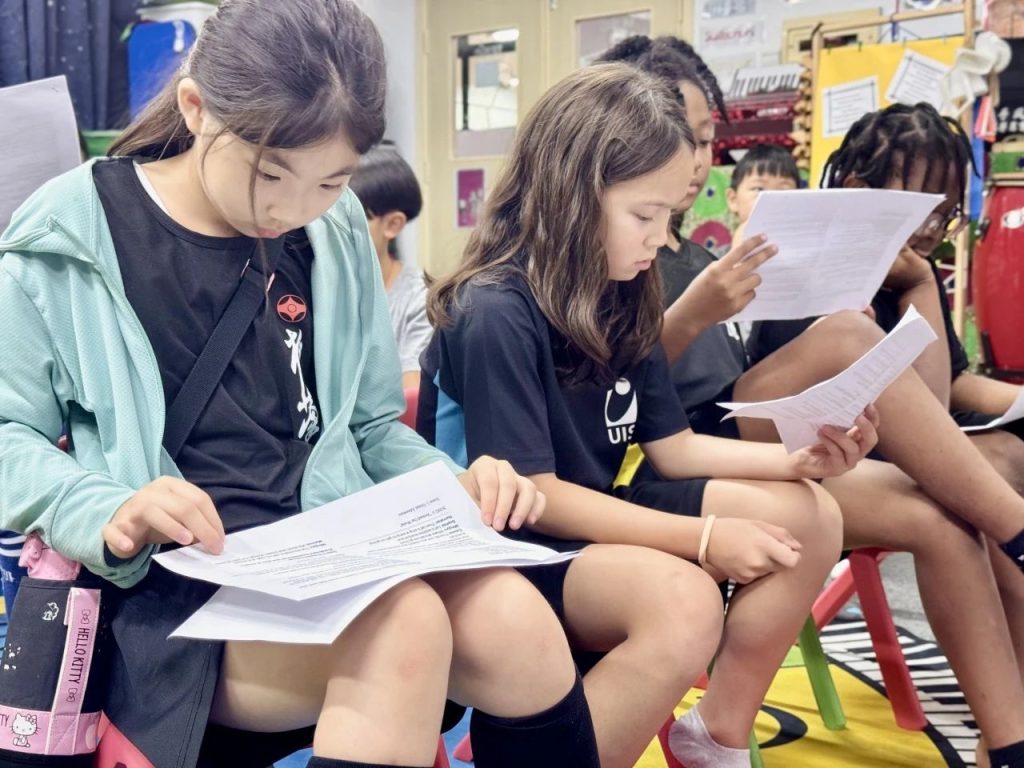
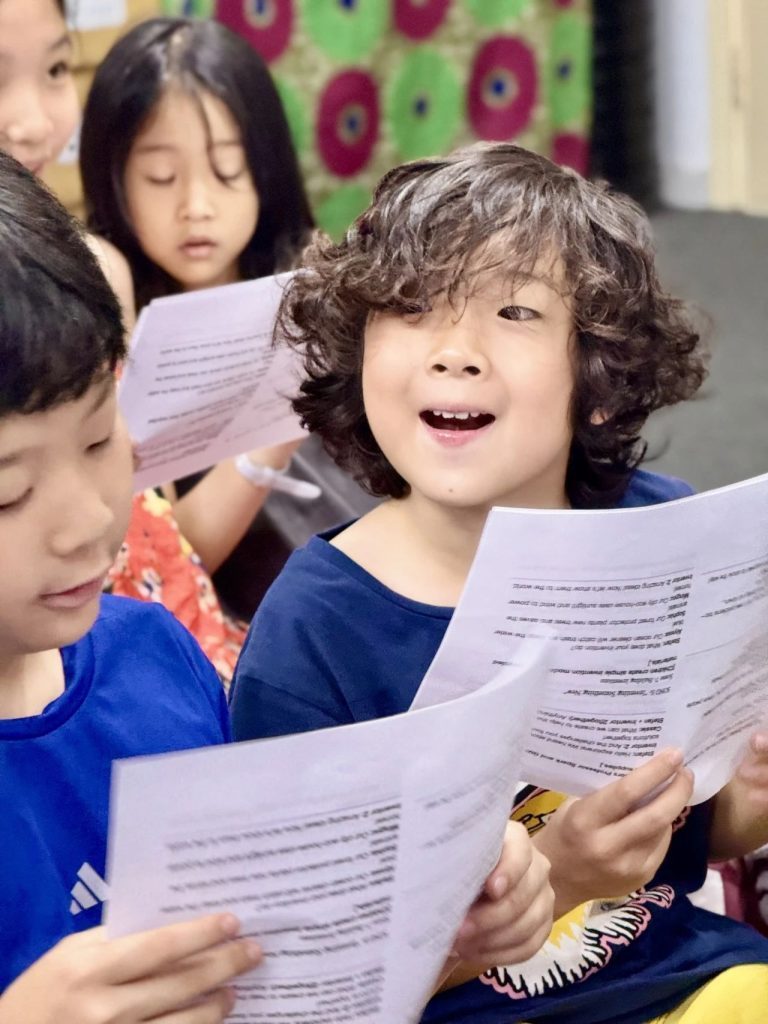
In music, Innovators explored group performance by taking on roles as musicians and characters, preparing for the learning celebration while developing leadership and coordination. In art, they refined their clay sculptures by adding colour and texture, enhancing their understanding of balance and form. PE lessons included obstacle course challenges and cooperative pool games that tested agility and resilience.
A field trip to the Guangzhou Science Museum brought the week’s learning to life, with hands-on exhibits about space, physics, and the human body that sparked new curiosity and conversation.
Throughout the week, our Future Leaders demonstrated the UISG values of curiosity, collaboration, and perseverance.
They practiced essential academic and life skills—
while discovering how innovation, creativity, and teamwork are all connected.
- 끝 -

 Korean
 English
 Chinese
 Japanese