



Hyundai Motor Group Visit — Friday, 9 January
Learning objectives
- Understand the role of hydrogen technologies in decarbonizing transportation and industry.
- Identify key components of a hydrogen ecosystem: production, storage, distribution, and fuel-cell applications.
- Analyze real-world corporate efforts to promote sustainable energy transitions, using Hyundai Motor Group’s H2 Economy Campaign as a case study.
- 反射 on career and STEM learning pathways connected to clean-energy engineering and sustainable mobility.
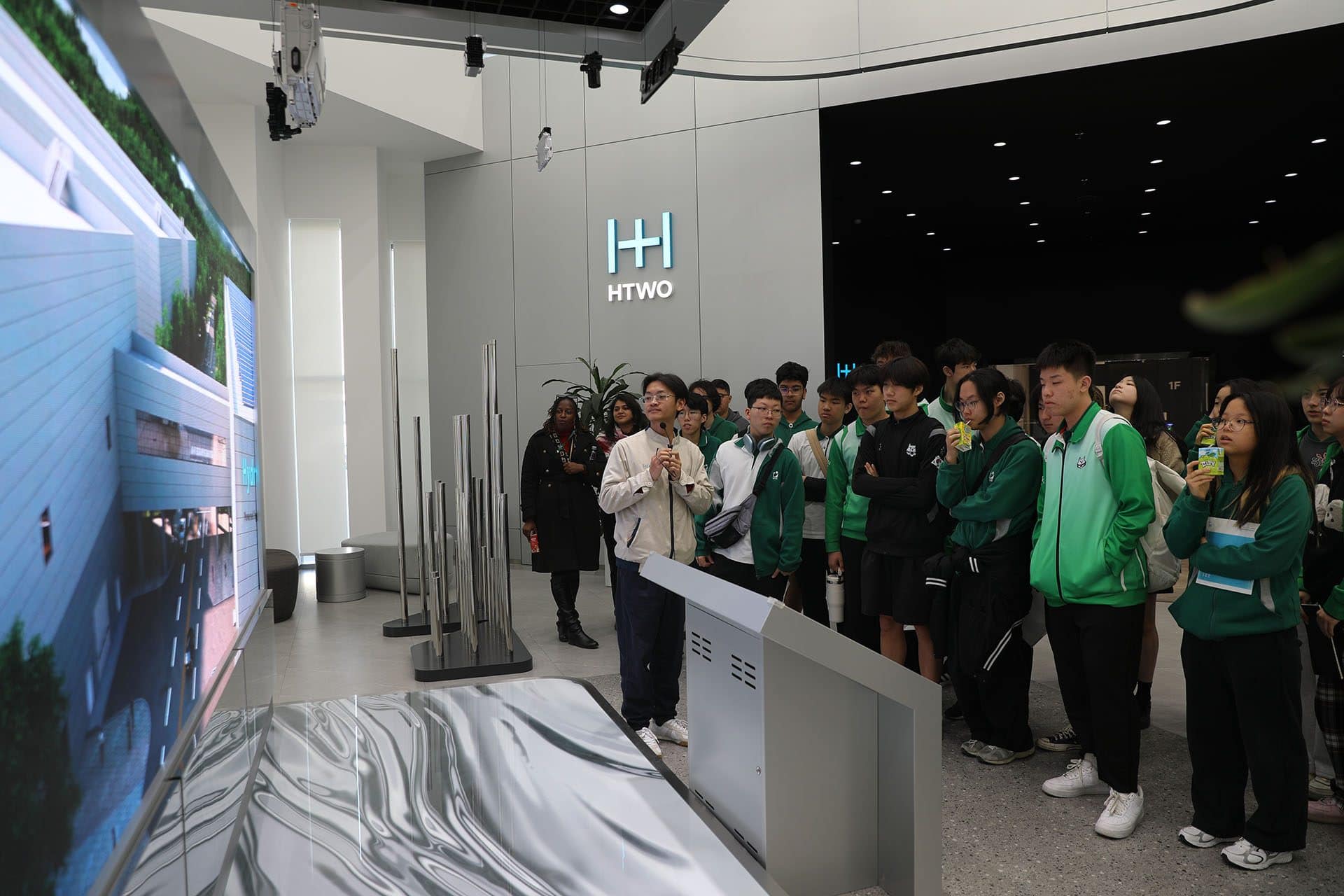
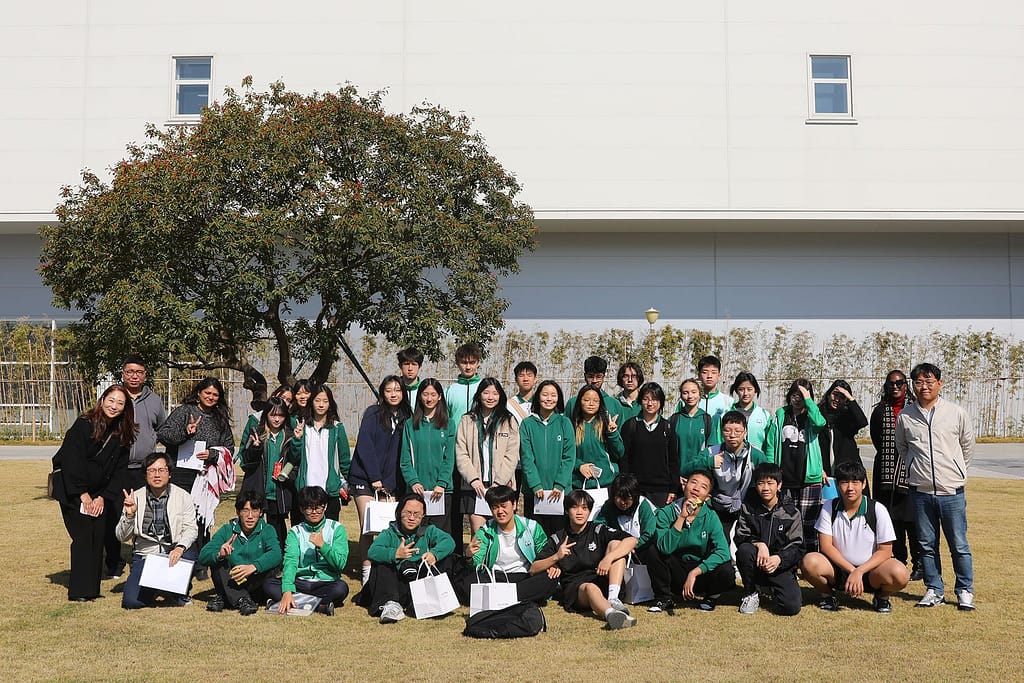
On Friday, 9 January, Grade 10 students and their teachers from Utahloy International School Guangzhou visited Hyundai Motor Group for an inspiring, hands-on learning experience. The visit offered a clear window into how industry leaders are accelerating the shift to low‑carbon mobility and building a hydrogen-based economy. Hyundai Motor’s H2 Economy Campaign — developed in partnership with global media — highlights the company’s dedication to spreading awareness of hydrogen’s potential and to speeding the infrastructure and technological advances needed for a sustainable future.
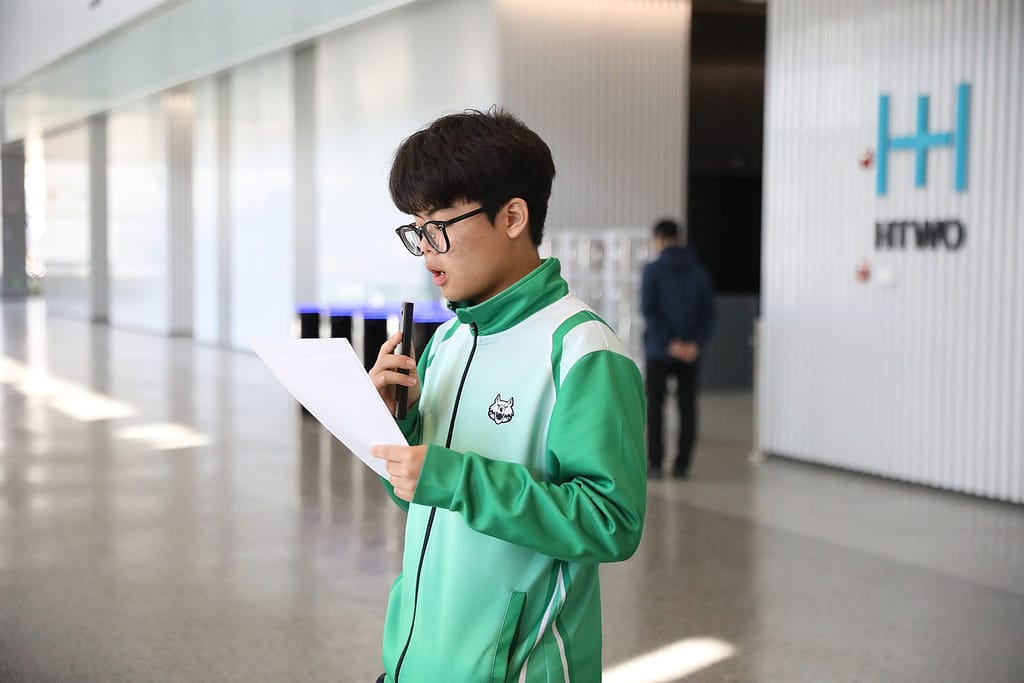
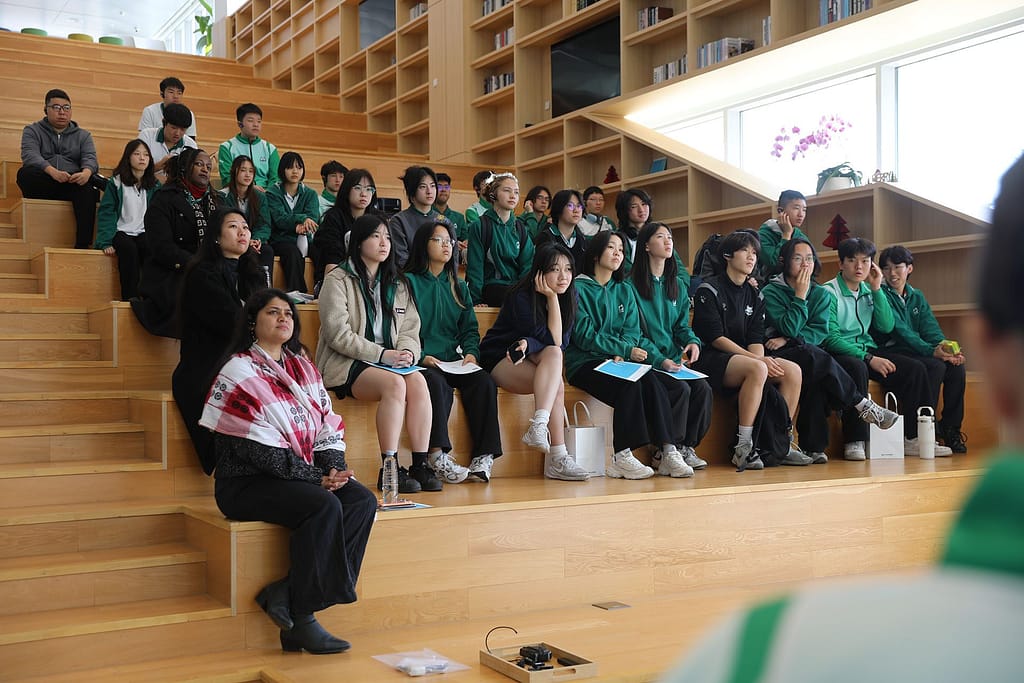
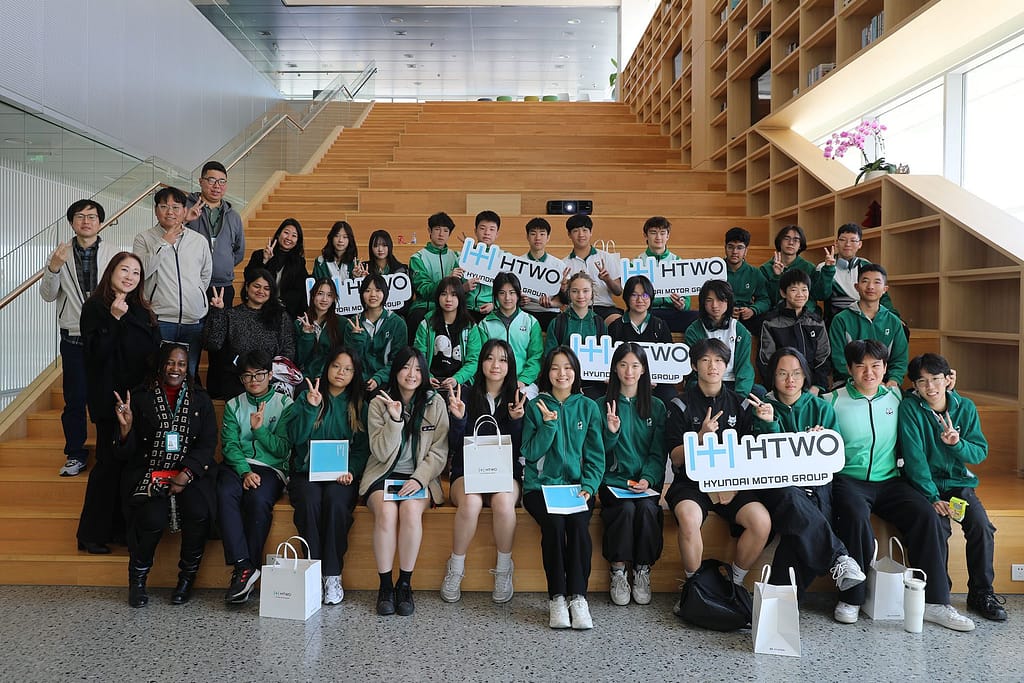
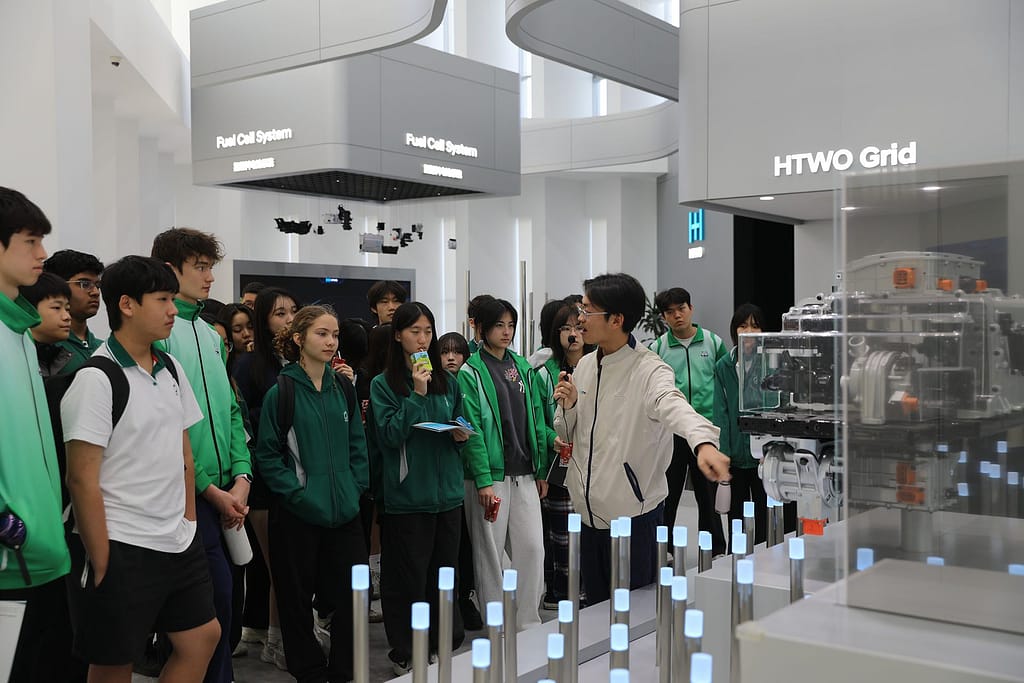
Students toured facilities, observed fuel-cell technology applications, and engaged with staff who explained how hydrogen is produced, stored, and used to power vehicles and industry. Lessons linked classroom concepts to real-world engineering challenges: energy conversion efficiencies, materials science for fuel cells, safety protocols for handling gases, and the systems thinking needed to scale up distribution networks. Teachers reported strong student engagement as pupils connected curriculum topics in physics, chemistry, and environmental science to tangible, career-oriented examples.
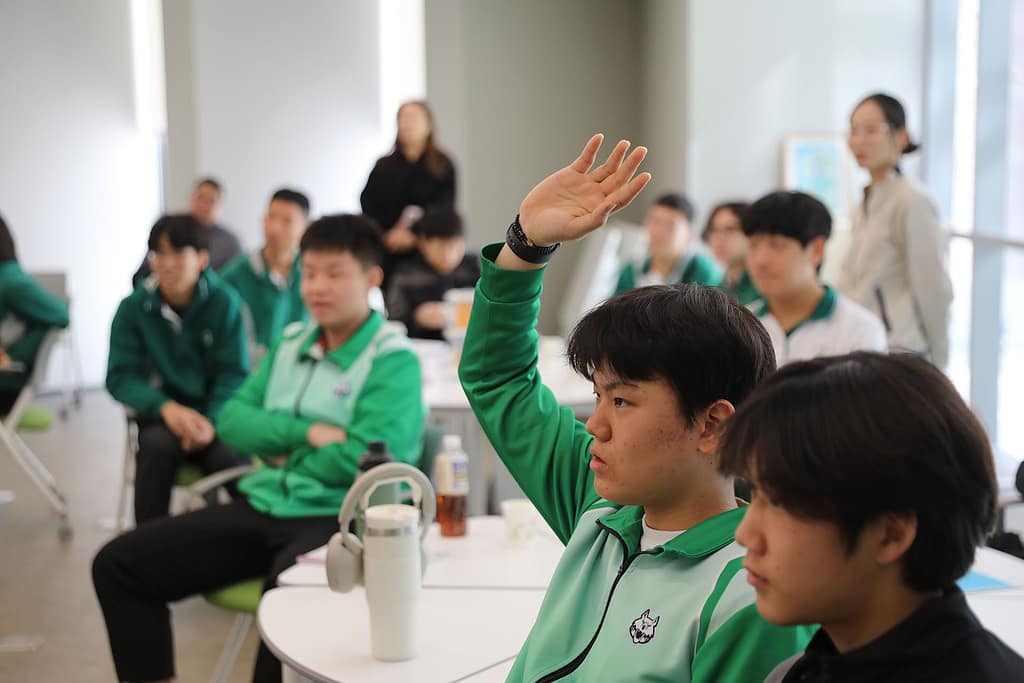
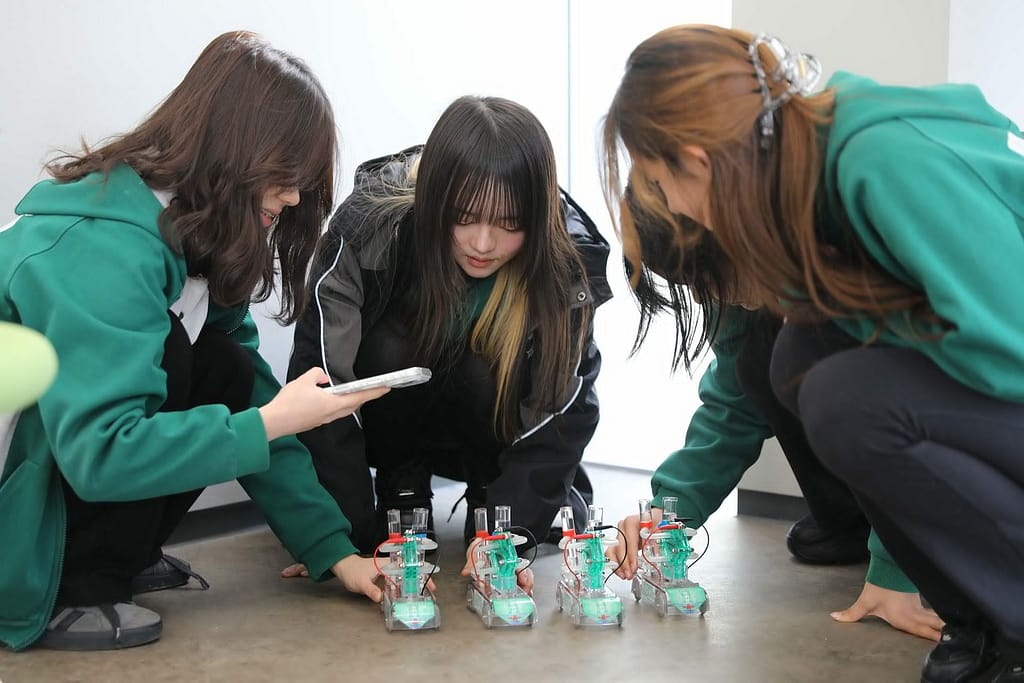
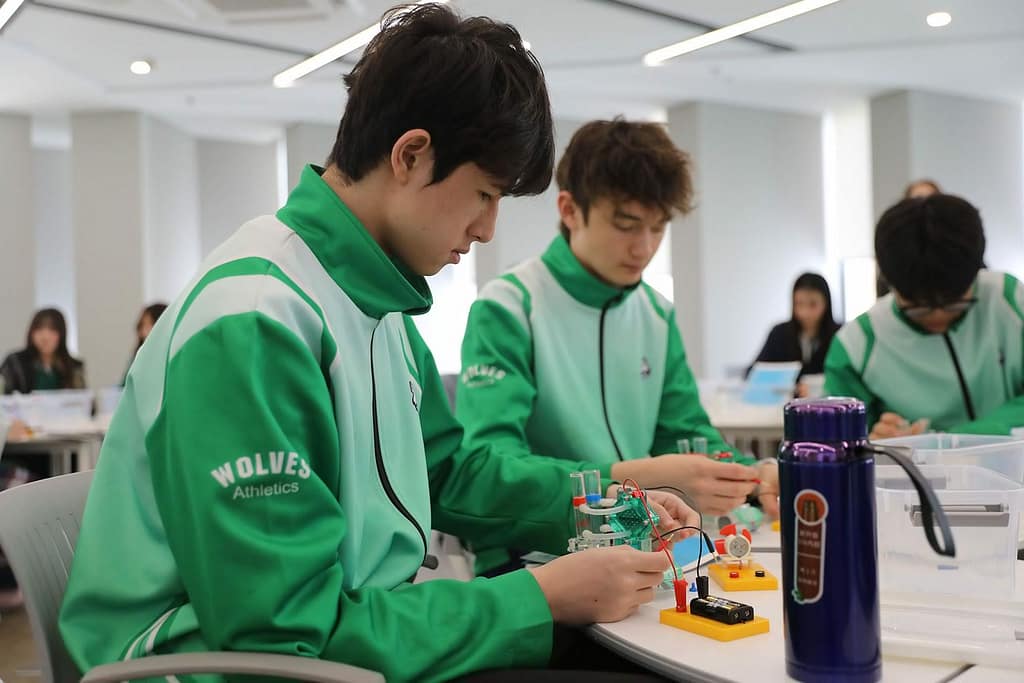
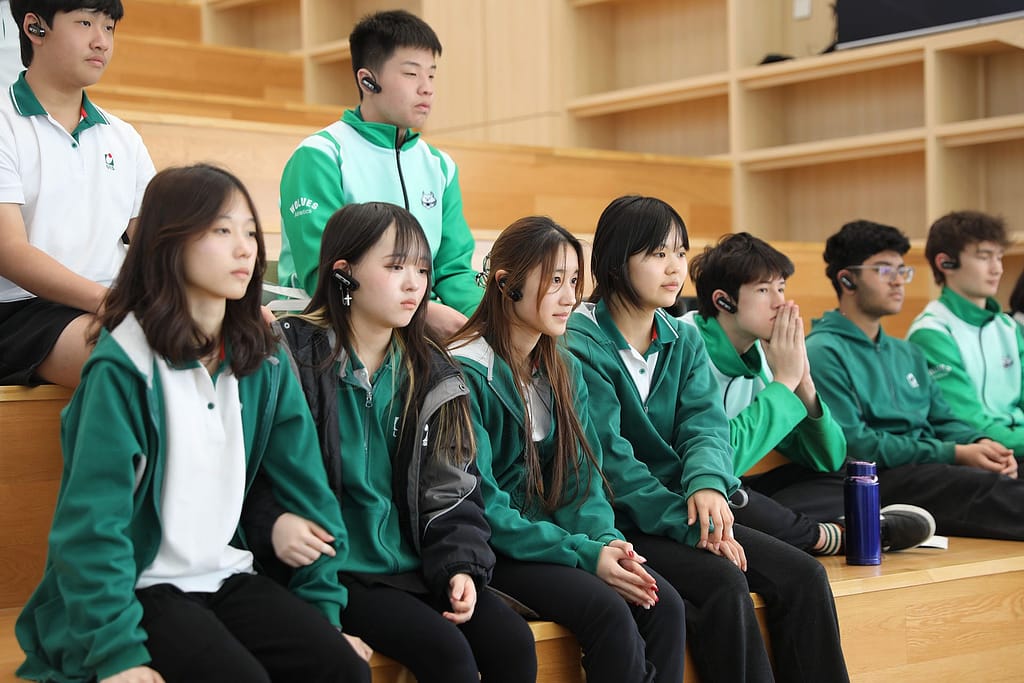
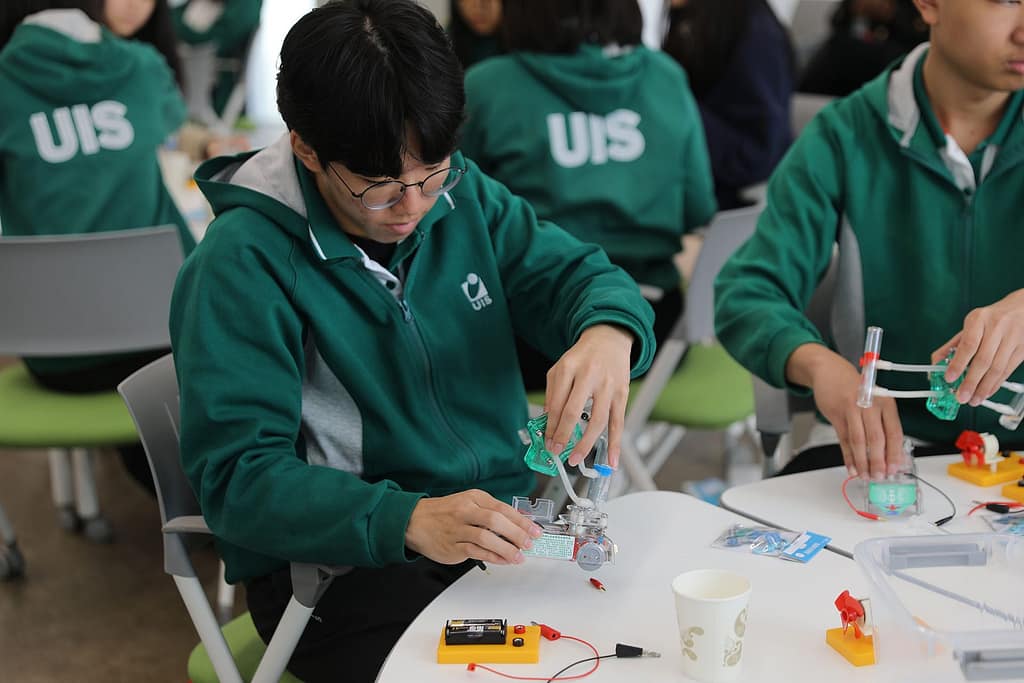
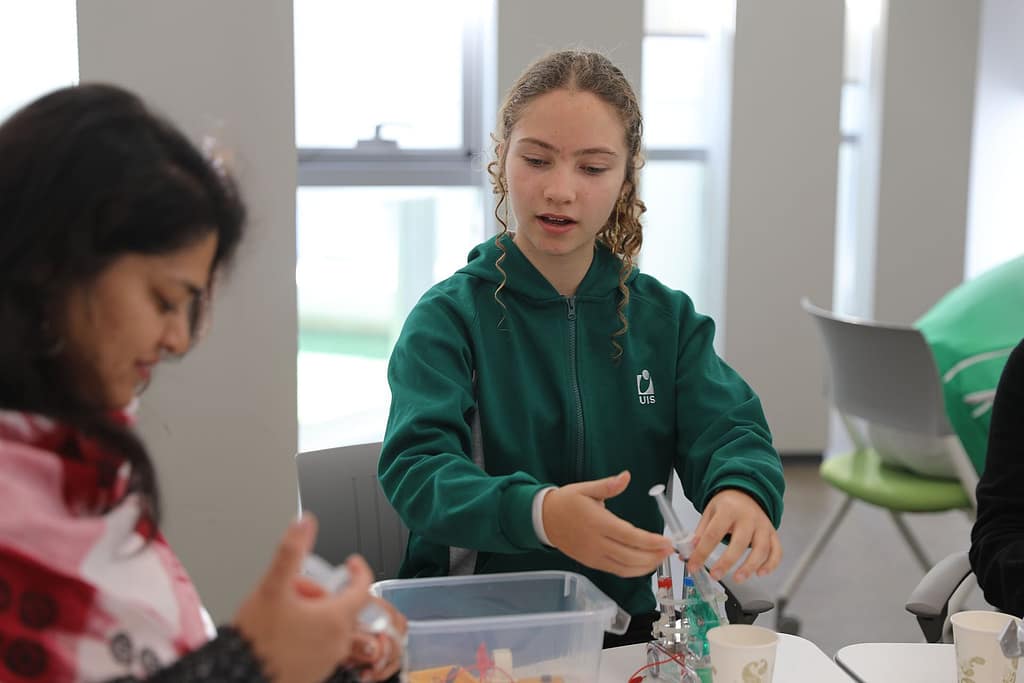
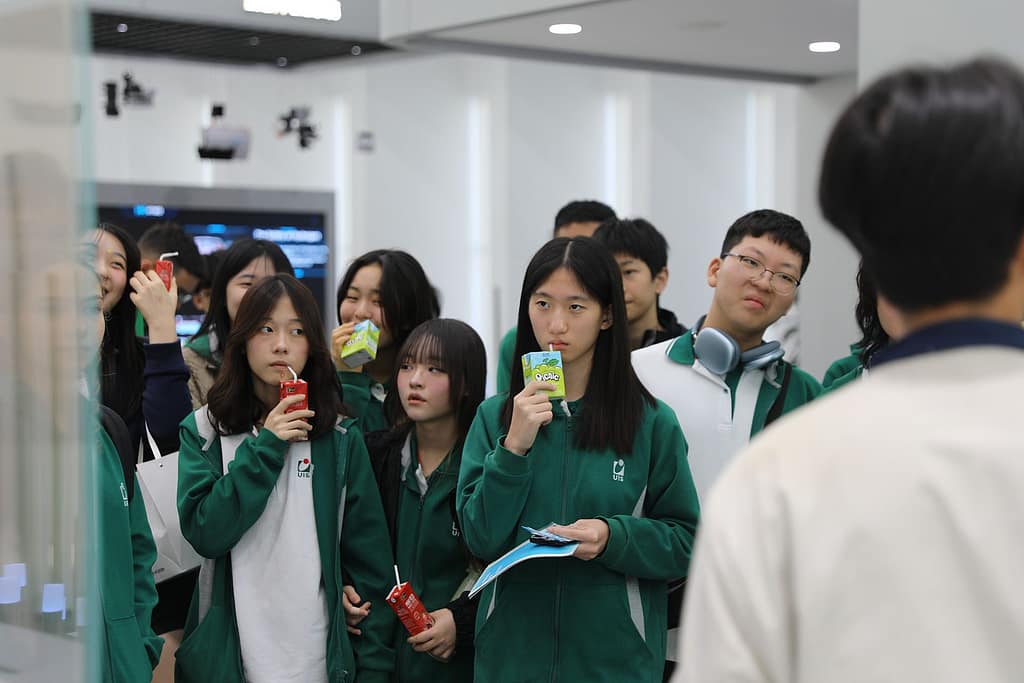
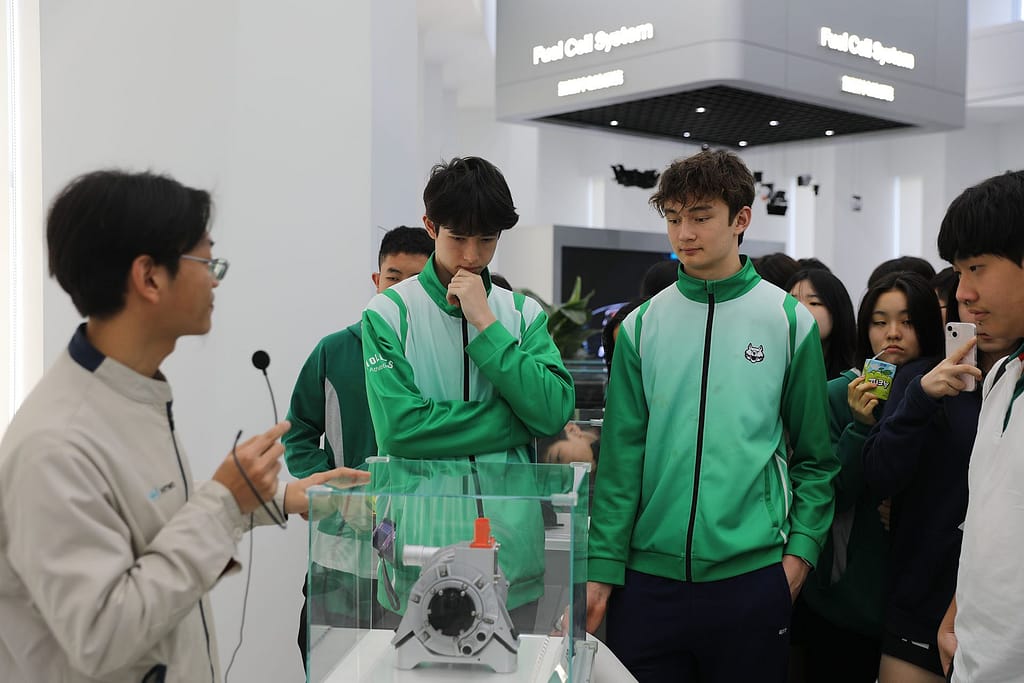
A special thank-you to UISG for organizing the trip and prioritizing authentic STEM learning outside the classroom. Equally, we commend Hyundai Motor Group for welcoming the group and for presenting complex ideas in accessible ways. The company’s openness to host students and explain its H2 Economy Campaign demonstrates a commendable commitment to education and community outreach.
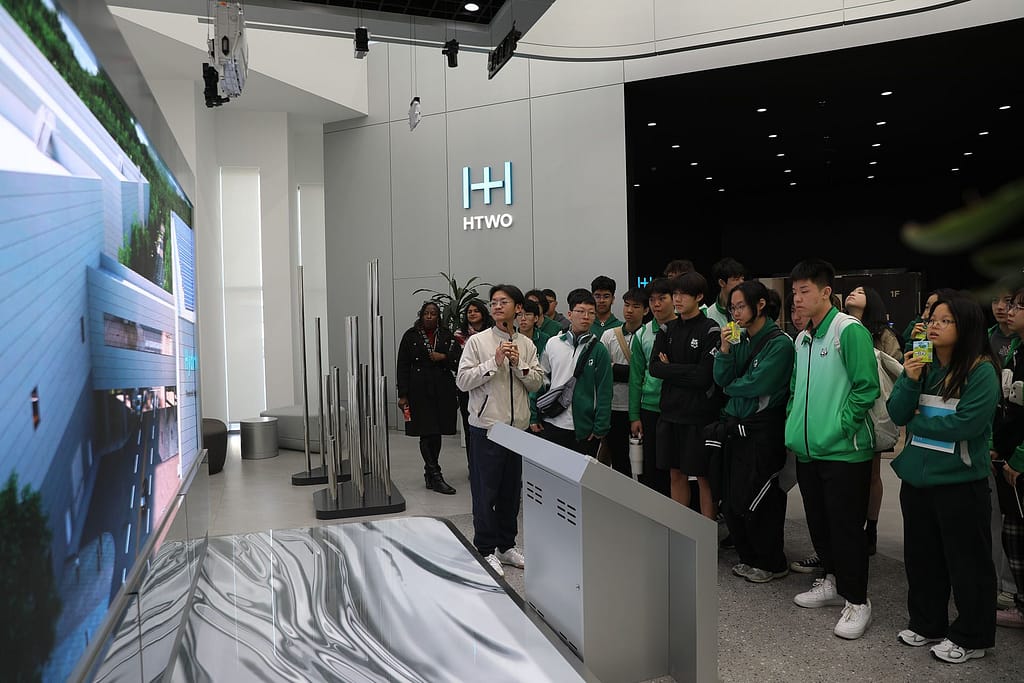
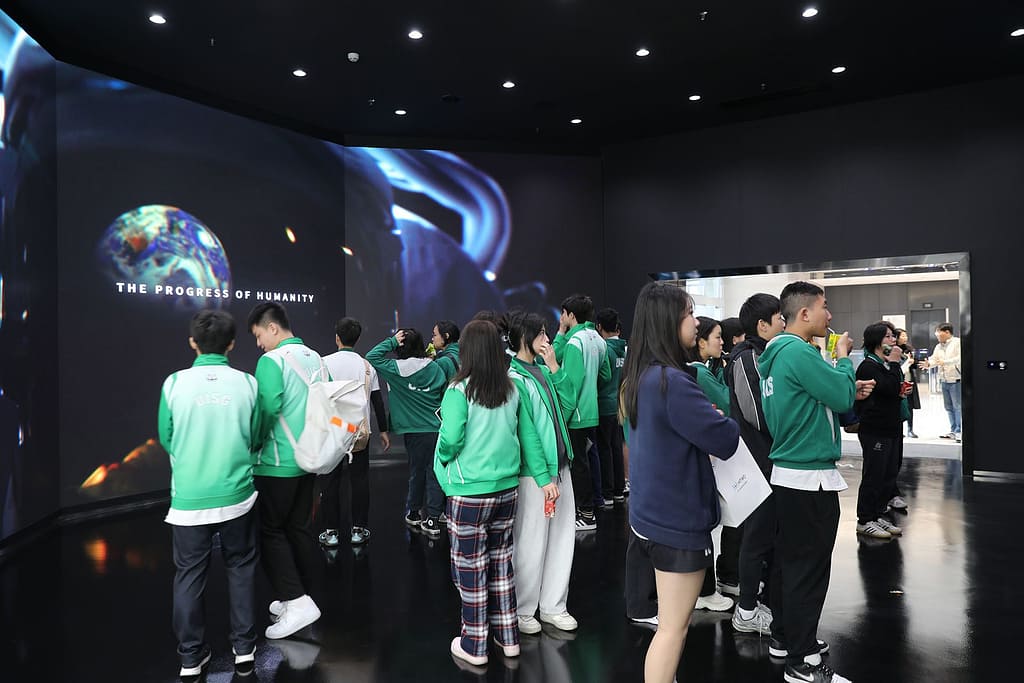
Takeaways for students included a deeper appreciation for how innovation, policy, and public awareness must work together to build a hydrogen society. Many left motivated to investigate further—whether that means pursuing engineering, renewable energy policy, or business roles that support sustainable transitions.
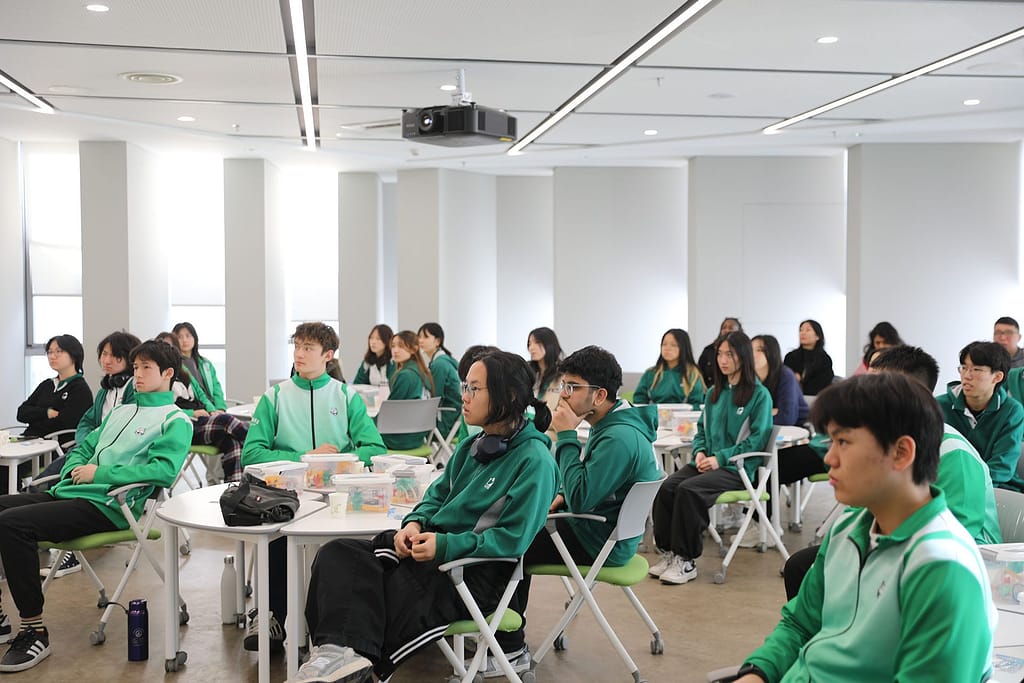
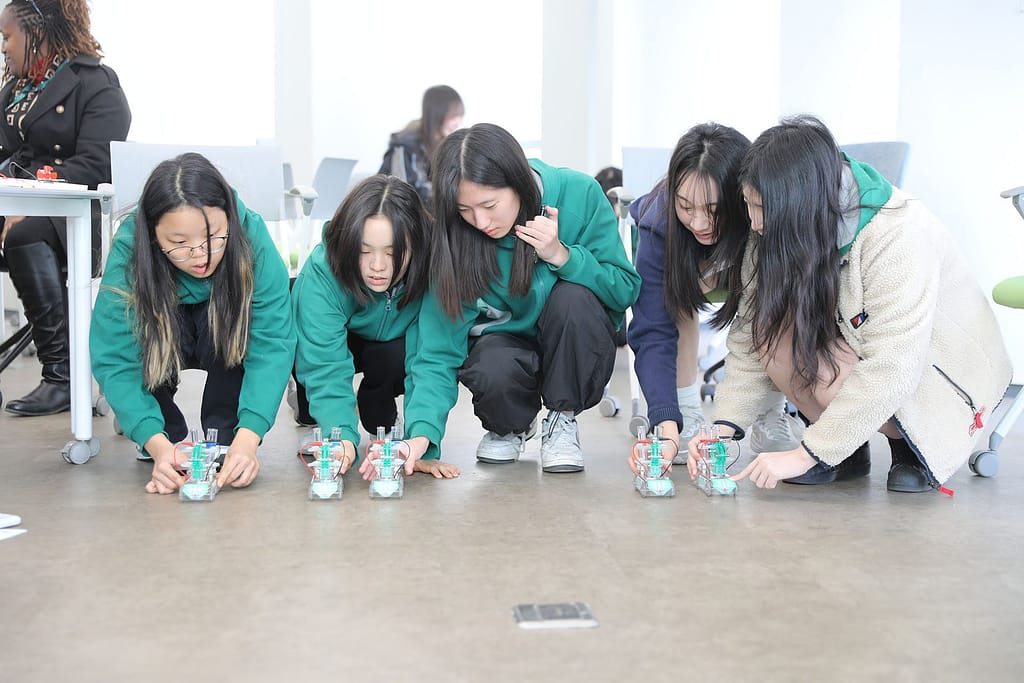
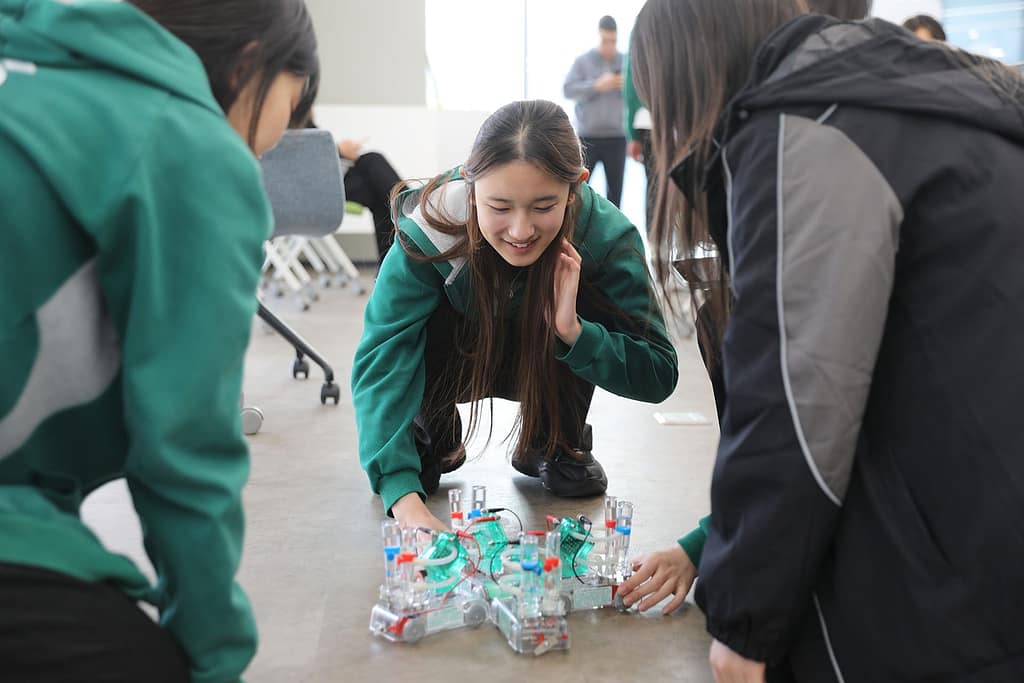
This field trip was a strong model of school–industry collaboration: UISG’s initiative and Hyundai Motor’s hospitality combined to create an engaging, educational event that connects curriculum to pressing global challenges and real career pathways.
实践课堂|现代汽车集团参访纪实—— 1月9日,周五
学习目标
- 理解氢技术在交通与工业领域脱碳过程中的重要作用。
- 认识氢能生态系统的关键环节:生产、储存、运输及燃料电池应用。
- 以现代汽车集团“氢能经济推广活动”为案例,分析企业在推动可持续能源转型中的实际举措。
- 思考与清洁能源工程及可持续出行相关的职业路径与STEM学习方向。
1月9日周五,广州誉德莱外籍人员子女学校的十年级学生与教师一行参访现代汽车集团,开展了一次富有启发的实践学习活动。此次参访为我们打开了一扇清晰的窗口,看到行业领袖如何加速向低碳出行转型,并积极构建氢能经济体系。现代汽车集团联合全球媒体推出的“氢能经济推广活动”,充分彰显了企业致力于推广氢能潜力、加速可持续未来所需基础设施与技术发展的坚定承诺。
学生们参观了相关设施,观摩了燃料电池技术的实际应用,并与工作人员深入交流,了解氢能的生产、储存过程及其在车辆驱动与工业领域的应用。课堂知识由此与真实的工程挑战紧密相连:能源转换效率、燃料电池材料科学、气体处理安全规范,以及扩大配送网络所需的系统思维。老师们反馈,学生们在将物理、化学、环境科学等课程内容与具体、面向职业的实例结合时,表现出极高的参与热情。
特别感谢广州誉德莱外籍人员子女学校精心组织本次实践,将真实的STEM学习延伸到课堂之外。同时,我们也由衷赞赏现代汽车集团对参访团队的热情接待,以及他们将复杂理念以通俗易懂的方式呈现的用心。企业开放资源接待学生、阐释其氢能经济推广活动的举措,体现了对教育及社区互动的高度重视与可贵担当。
此次参访让学生们更深刻地认识到,创新、政策与公众意识必须协同发力,才能共同构建氢能社会。许多学生离开时备受鼓舞,希望进一步深入探索——无论是投身工程领域、可再生能源政策研究,还是从事支持可持续转型的商业相关工作。
这次实践活动是校企合作的一次优秀范例:广州誉德莱外籍人员子女学校的积极组织与现代汽车集团的开放热忱相结合,共同打造了一场引人入胜的教育体验,将学校课程与全球紧迫议题、真实职业路径紧密联结。
/ END /


 Chinese
  English
  Korean
  Japanese