


Hyundai Motor Group Visit — Friday, 9 January
Learning objectives
- Understand the role of hydrogen technologies in decarbonizing transportation and industry.
- Identify key components of a hydrogen ecosystem: production, storage, distribution, and fuel-cell applications.
- Analyze real-world corporate efforts to promote sustainable energy transitions, using Hyundai Motor Group’s H2 Economy Campaign as a case study.
- Reflect on career and STEM learning pathways connected to clean-energy engineering and sustainable mobility.
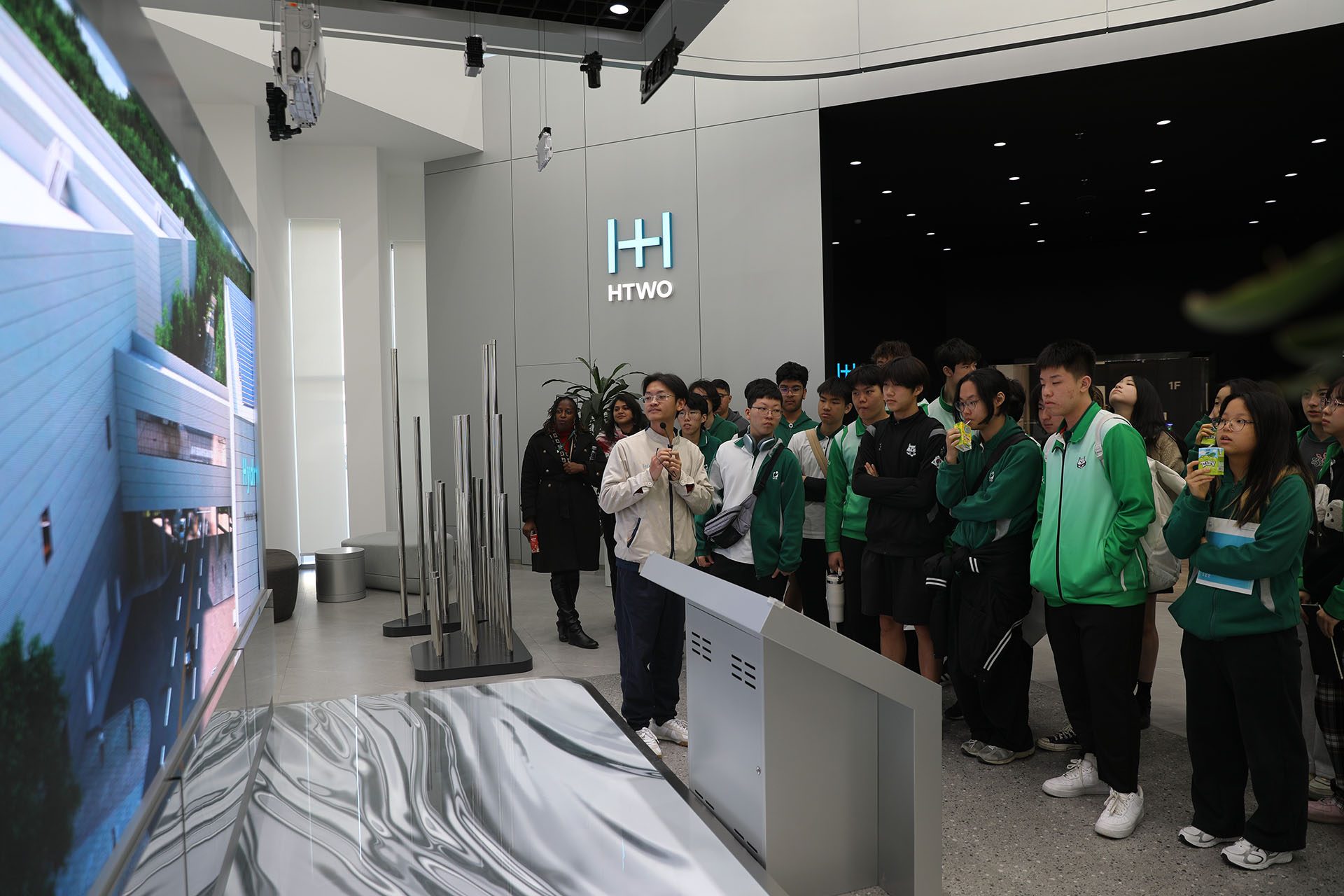
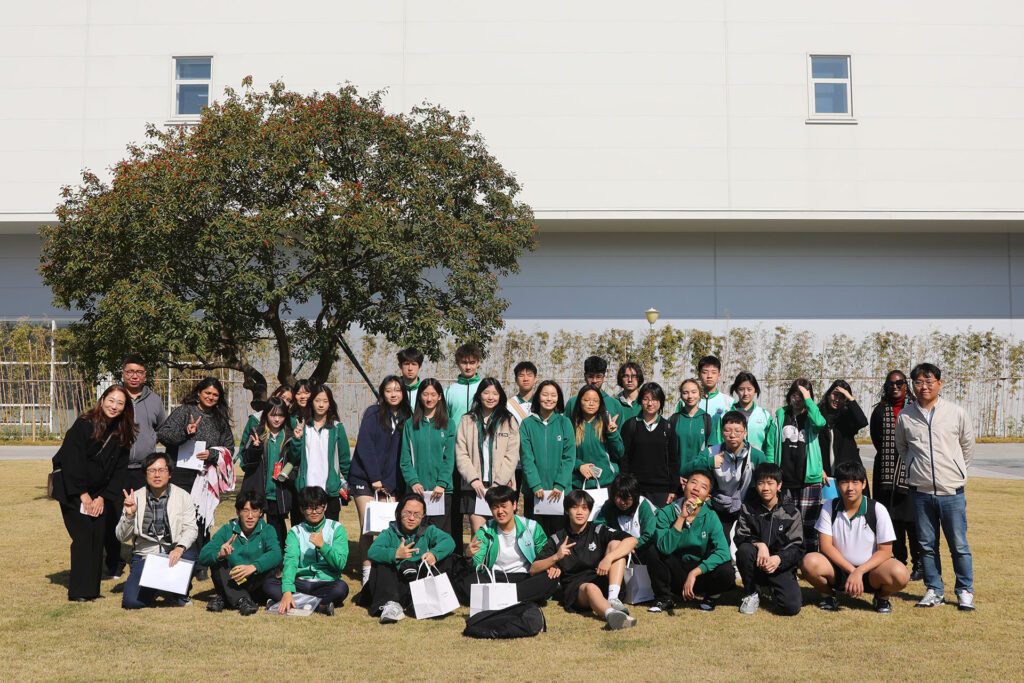
On Friday, 9 January, Grade 10 students and their teachers from Utahloy International School Guangzhou visited Hyundai Motor Group for an inspiring, hands-on learning experience. The visit offered a clear window into how industry leaders are accelerating the shift to low‑carbon mobility and building a hydrogen-based economy. Hyundai Motor’s H2 Economy Campaign — developed in partnership with global media — highlights the company’s dedication to spreading awareness of hydrogen’s potential and to speeding the infrastructure and technological advances needed for a sustainable future.
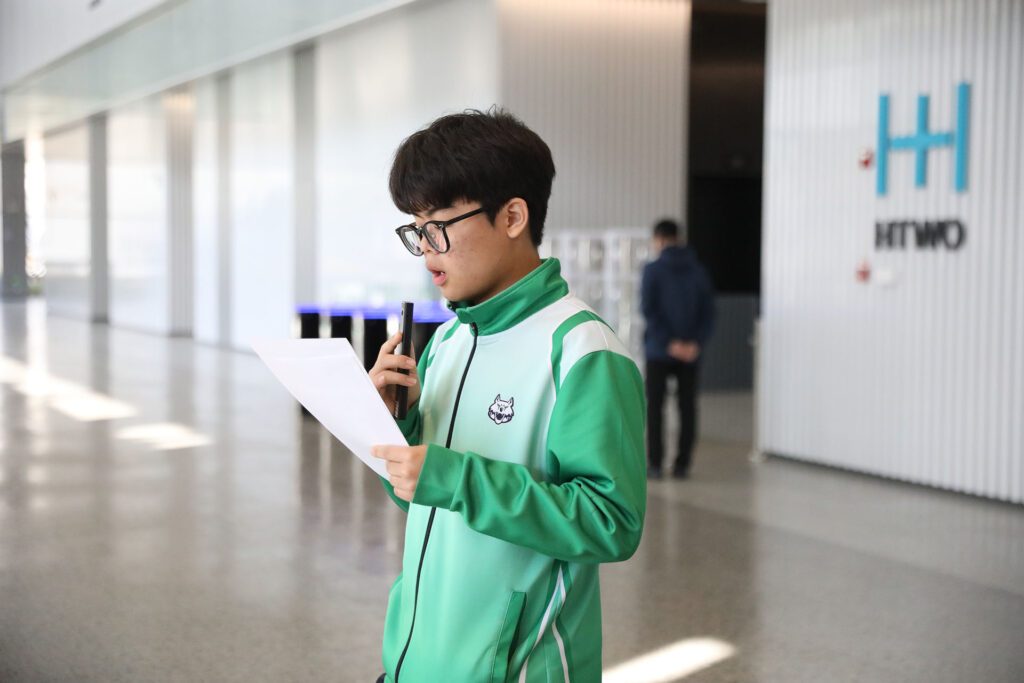
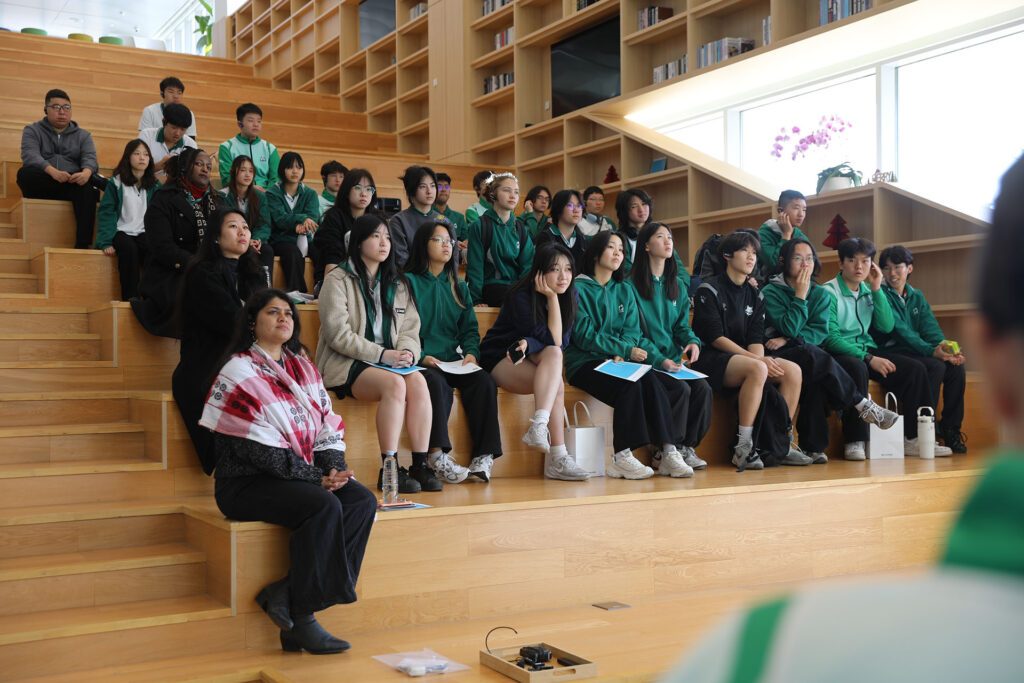
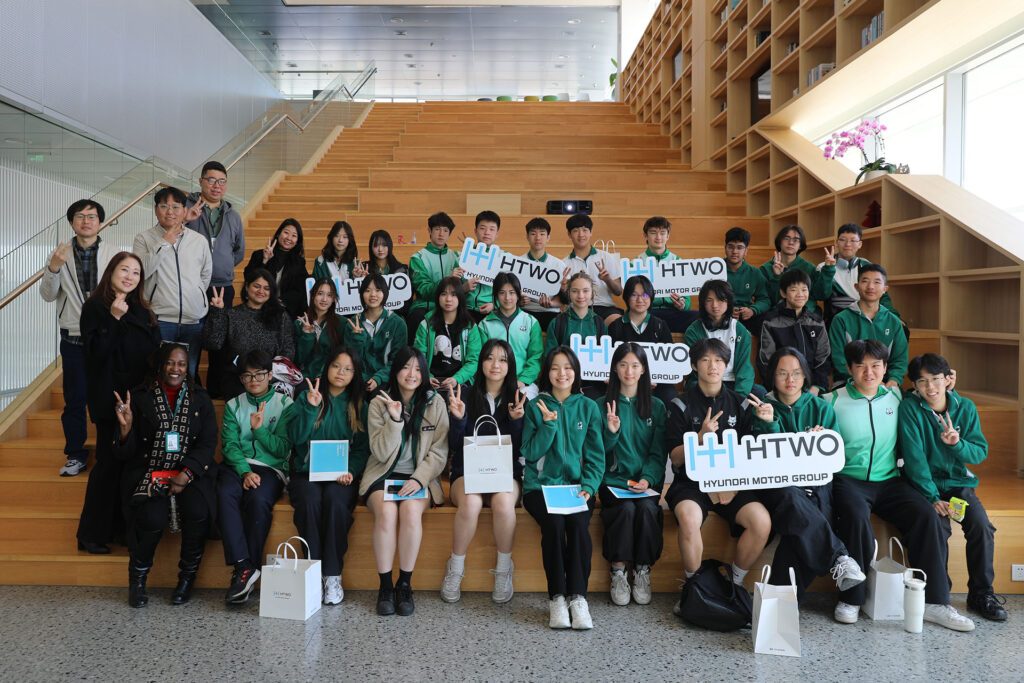
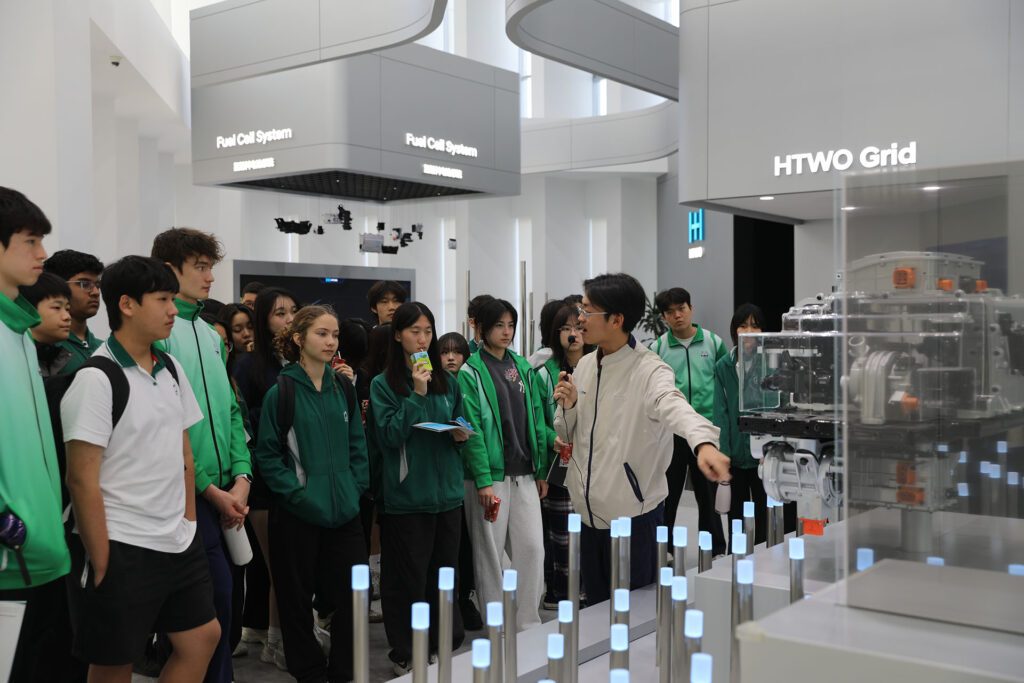
Students toured facilities, observed fuel-cell technology applications, and engaged with staff who explained how hydrogen is produced, stored, and used to power vehicles and industry. Lessons linked classroom concepts to real-world engineering challenges: energy conversion efficiencies, materials science for fuel cells, safety protocols for handling gases, and the systems thinking needed to scale up distribution networks. Teachers reported strong student engagement as pupils connected curriculum topics in physics, chemistry, and environmental science to tangible, career-oriented examples.
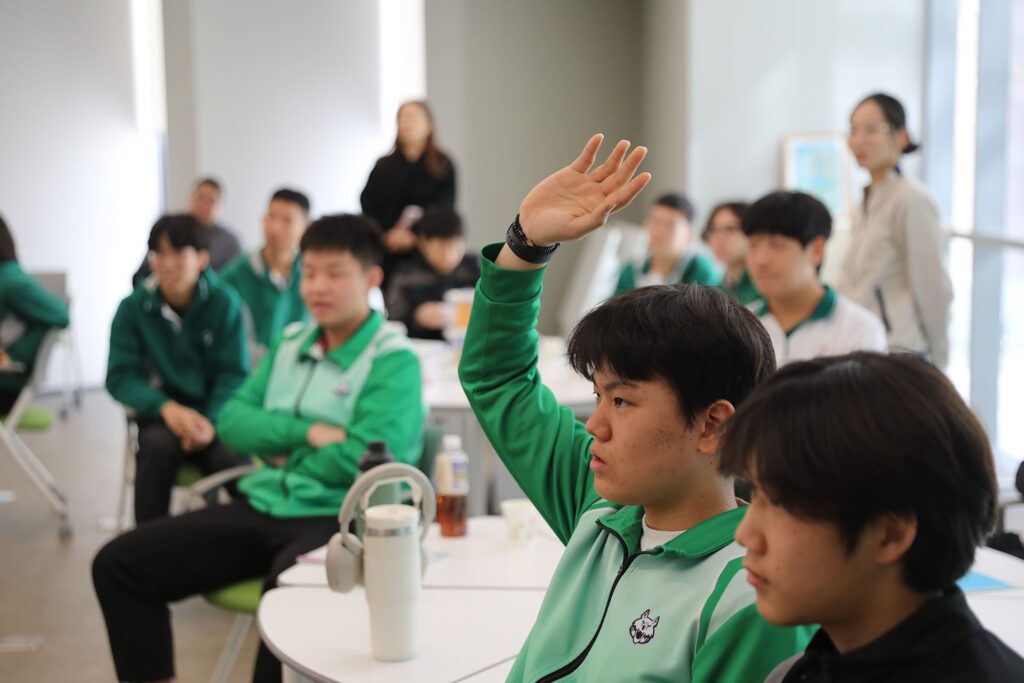
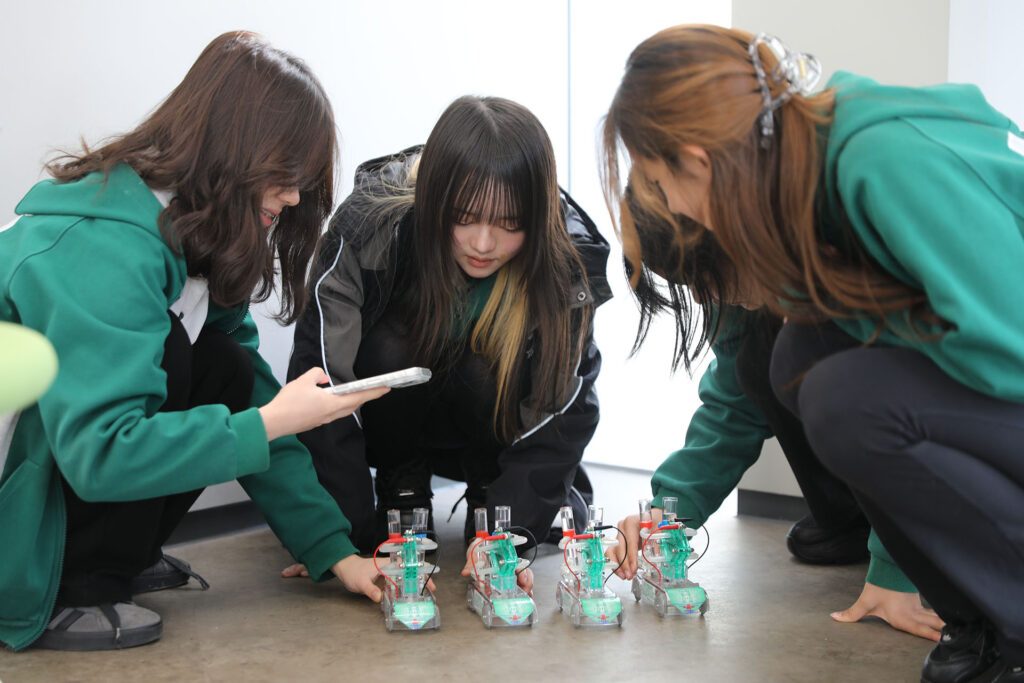
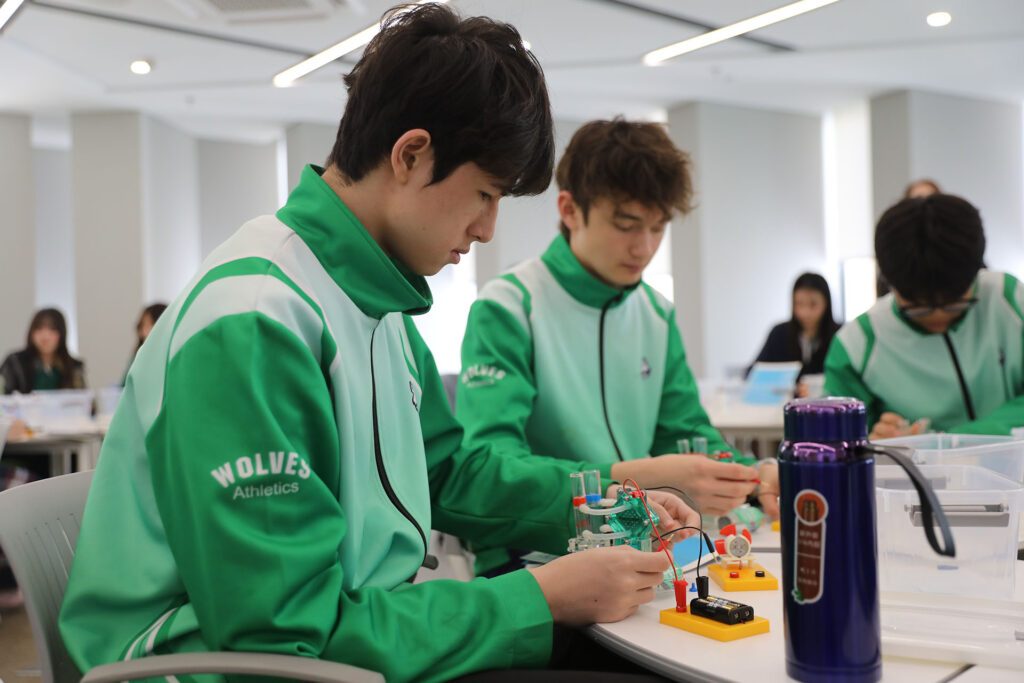
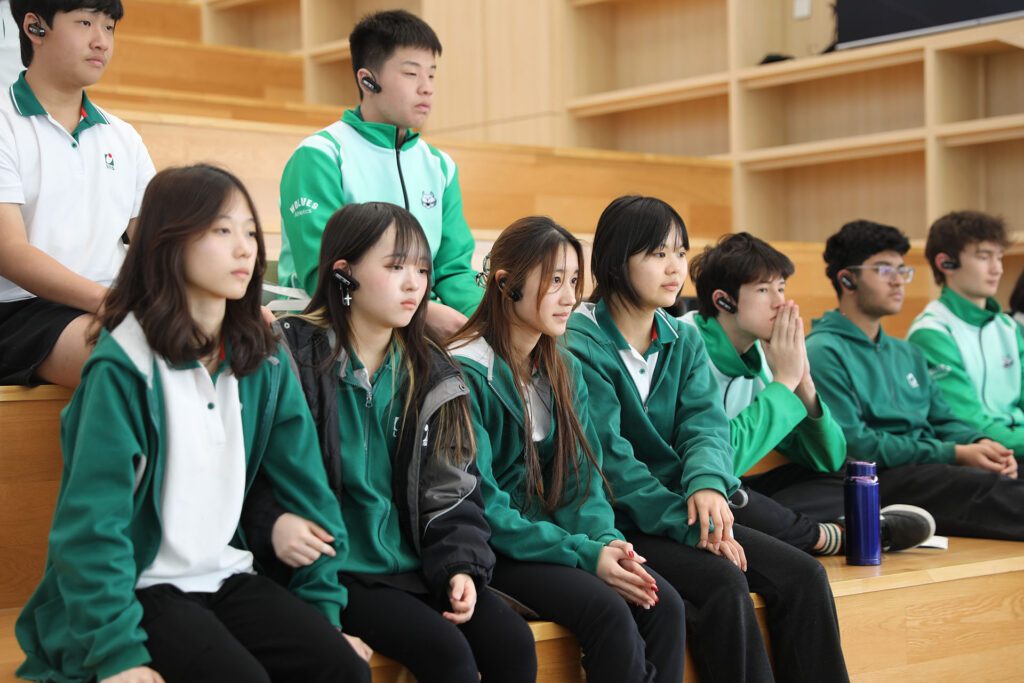
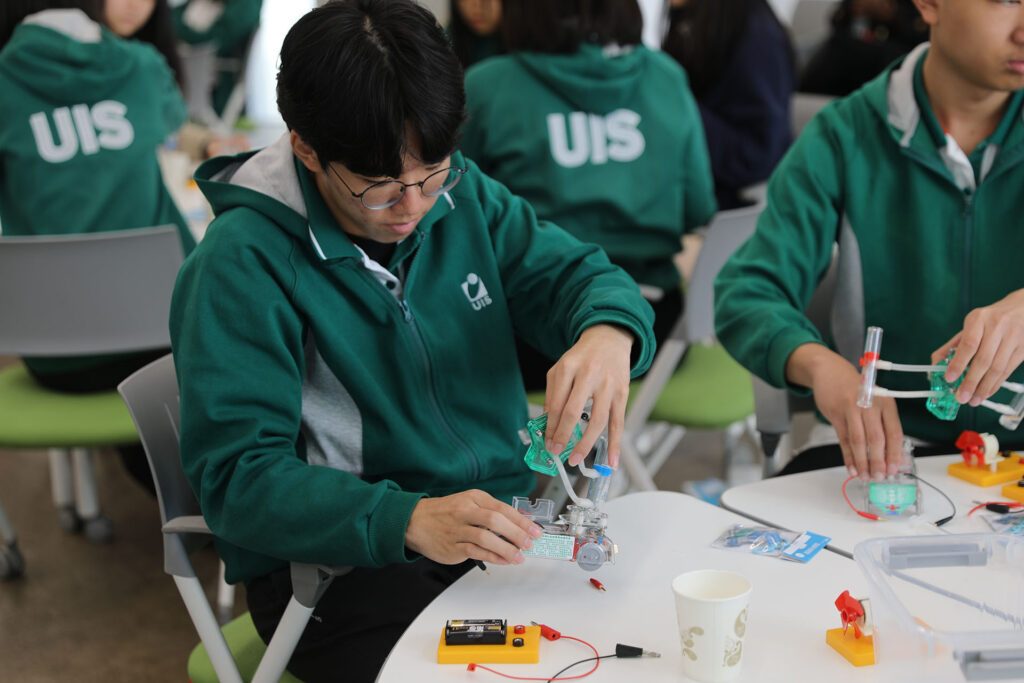
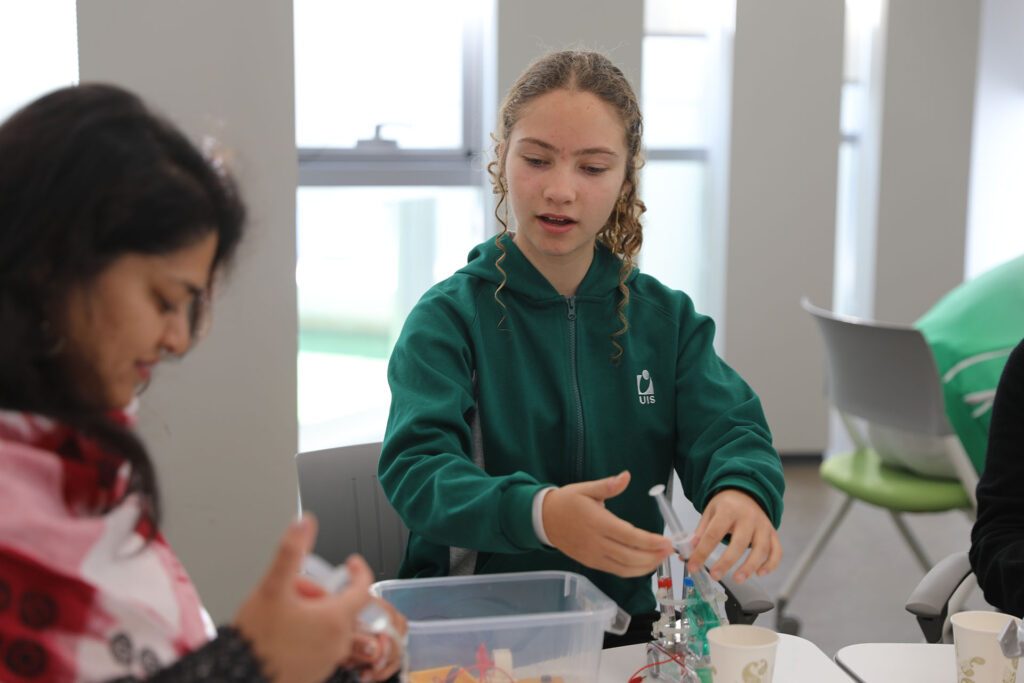
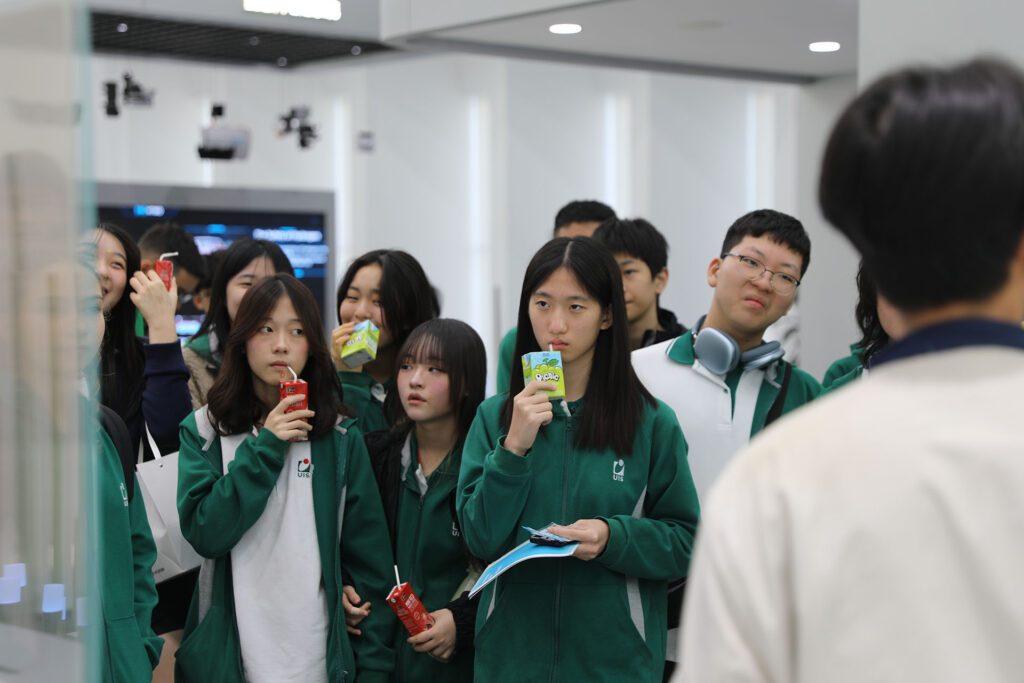
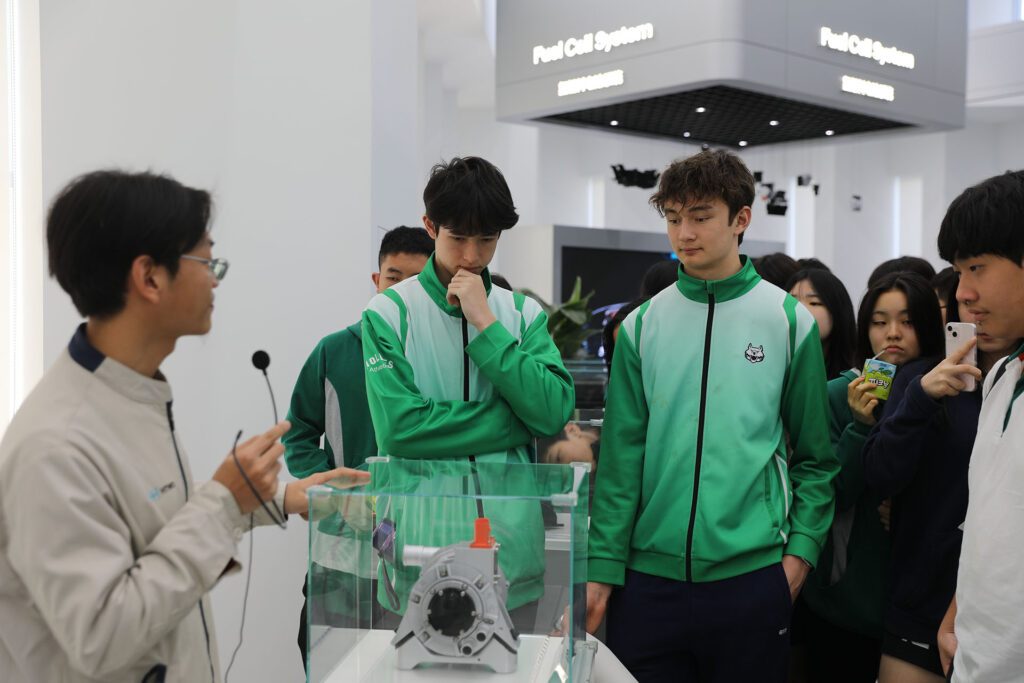
A special thank-you to UISG for organizing the trip and prioritizing authentic STEM learning outside the classroom. Equally, we commend Hyundai Motor Group for welcoming the group and for presenting complex ideas in accessible ways. The company’s openness to host students and explain its H2 Economy Campaign demonstrates a commendable commitment to education and community outreach.
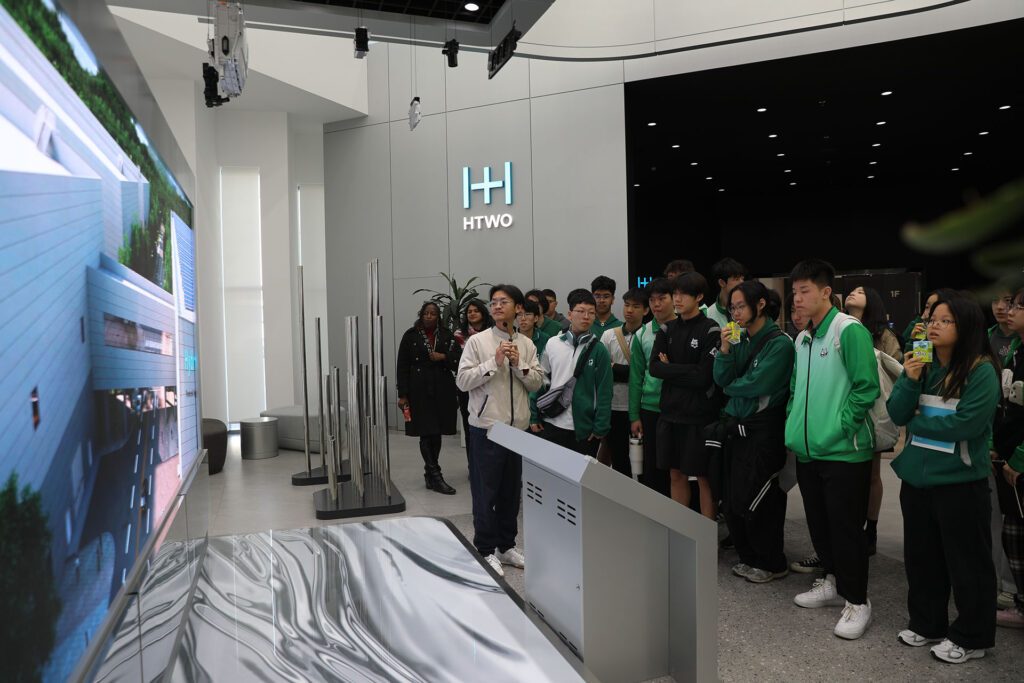
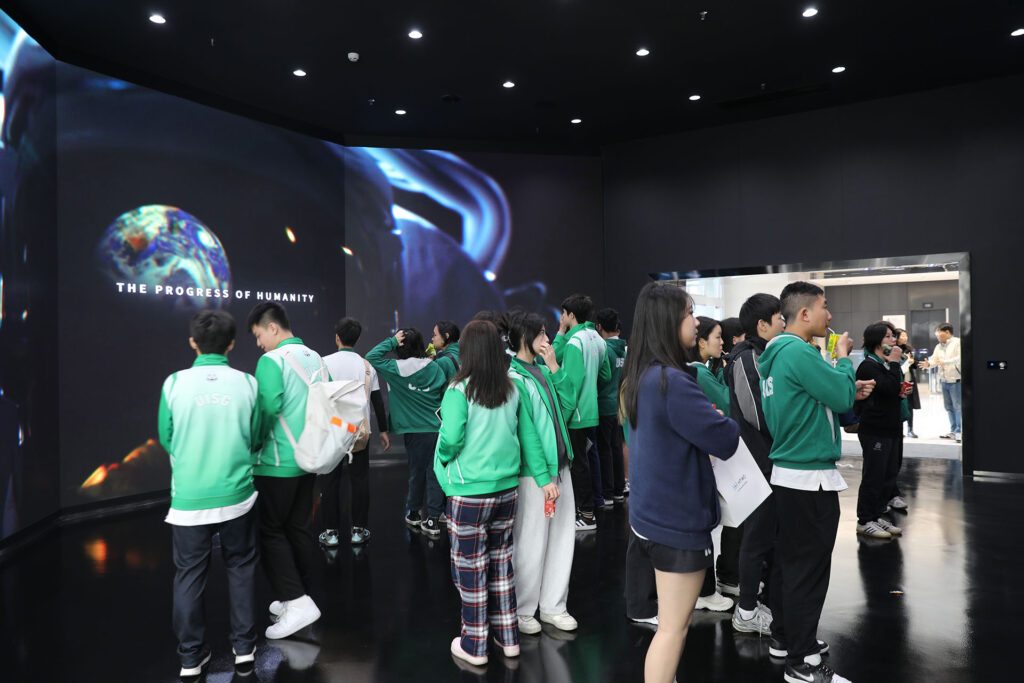
Takeaways for students included a deeper appreciation for how innovation, policy, and public awareness must work together to build a hydrogen society. Many left motivated to investigate further—whether that means pursuing engineering, renewable energy policy, or business roles that support sustainable transitions.
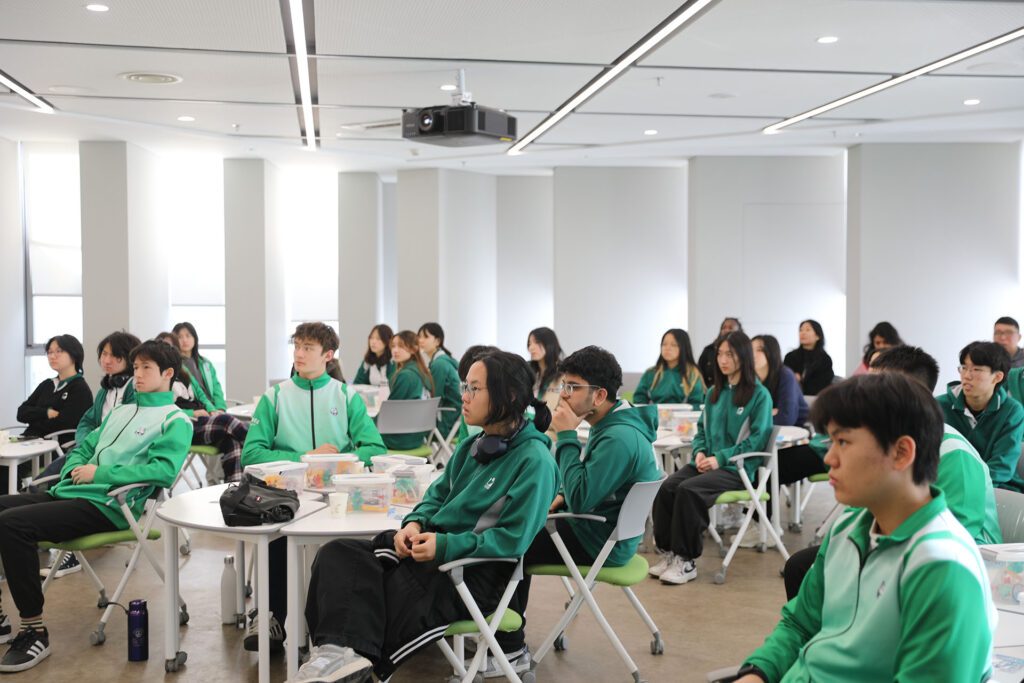
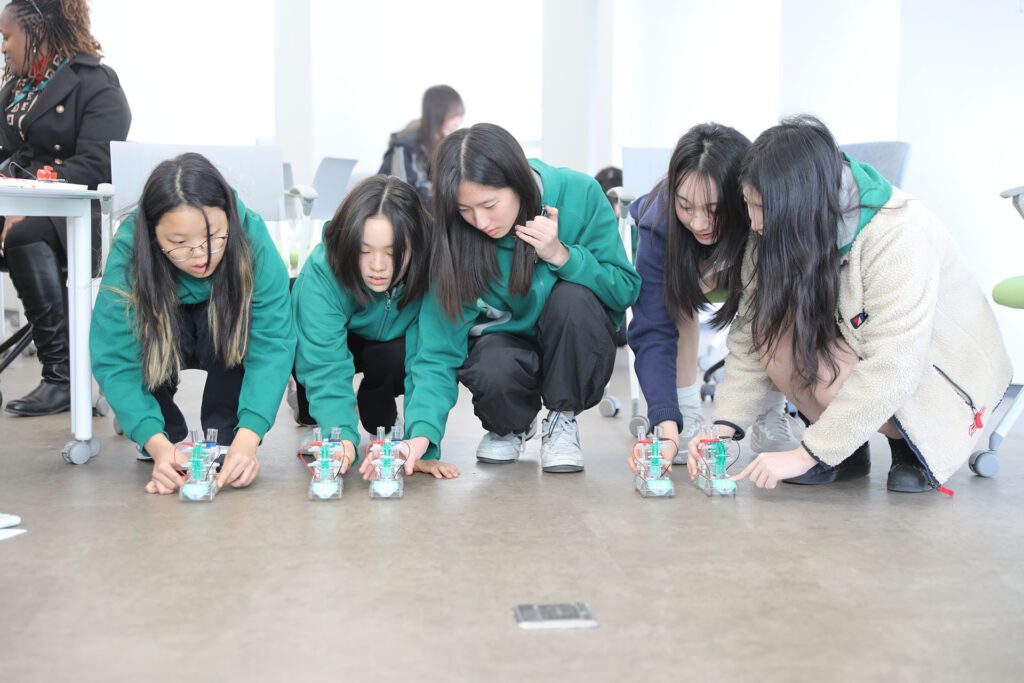
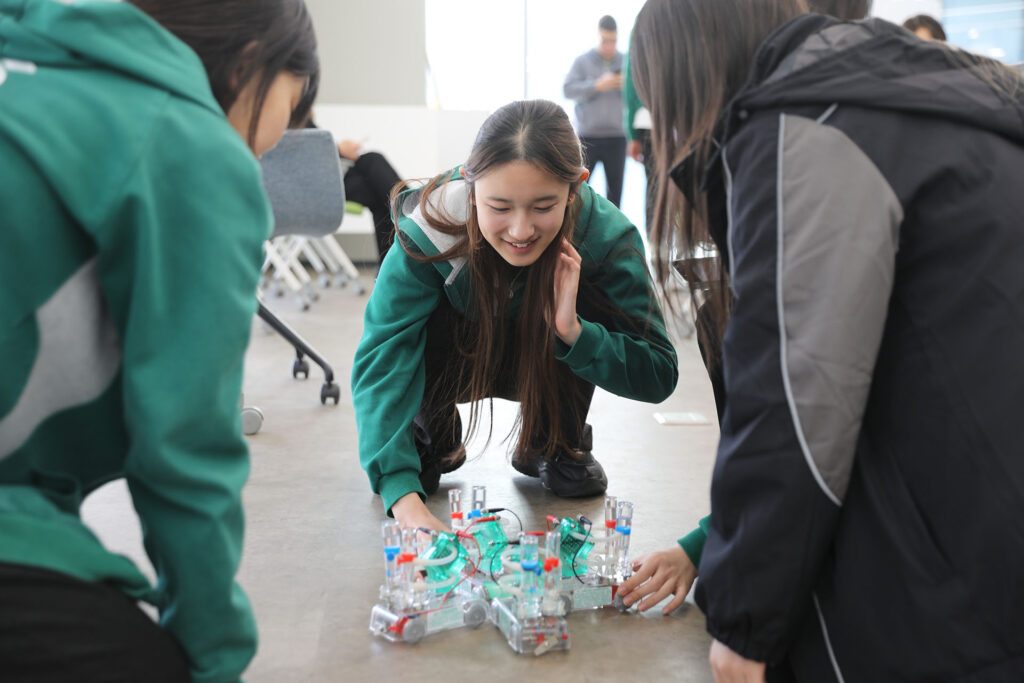
This field trip was a strong model of school–industry collaboration: UISG’s initiative and Hyundai Motor’s hospitality combined to create an engaging, educational event that connects curriculum to pressing global challenges and real career pathways.
/ END /
 English
 Chinese
 Korean
 Japanese