


OUR BELIEFS
Every language is a resource
Our beliefs about language and learners shape how we support students in English.
Multilingualism matters
Language is a valuable resource. We encourage students to keep growing in their home languages while they learn English.
Scaffolded for each learner
Support meets each student at their own stage of language development, because language grows over time.
Language for a purpose
Our functional approach focuses on using English purposefully, through meaningful activities across the curriculum.
HOW ELA WORKS
From first assessment to independence
We use the WIDA English Language Development Standards Framework to plan, monitor and report on every learner’s progress.
Assess
Admission data, previous English evidence and the WIDA Screener test.
Place
Students join the level of support that matches their needs.
Support
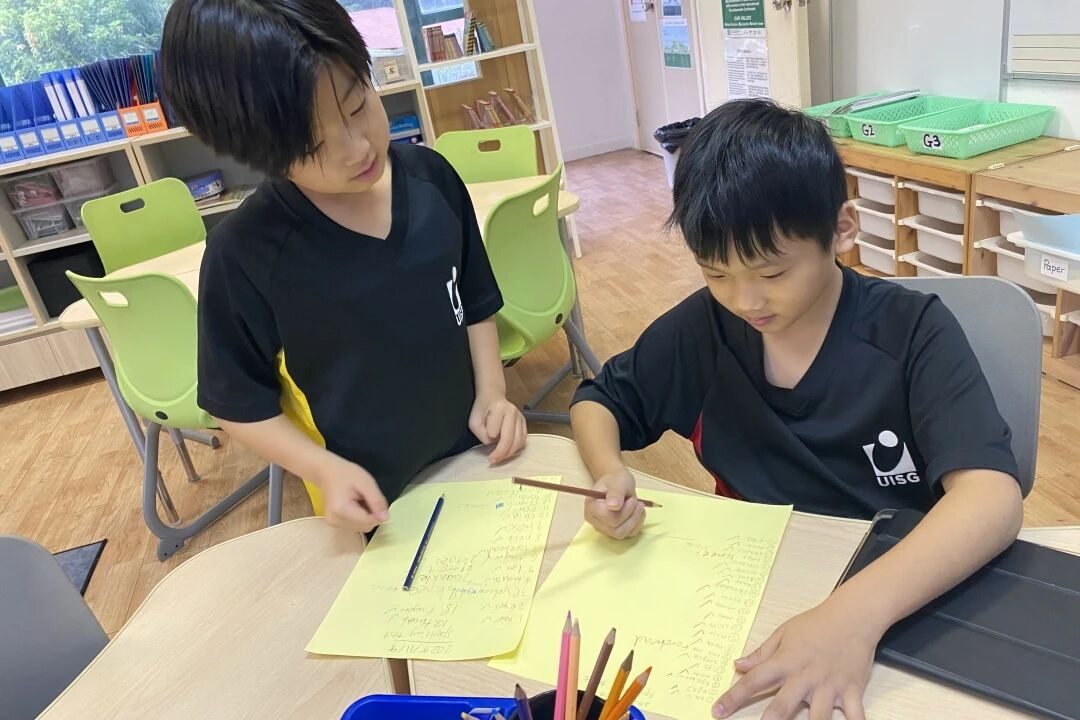
ELA teachers work alongside classroom teachers, in class and in small groups.
Monitor
Ongoing assessment with WIDA proficiency descriptors and feedback to families.
Exit
Students exit once they can work independently in the mainstream classroom.
ELA IN PRIMARY
Building strong foundations
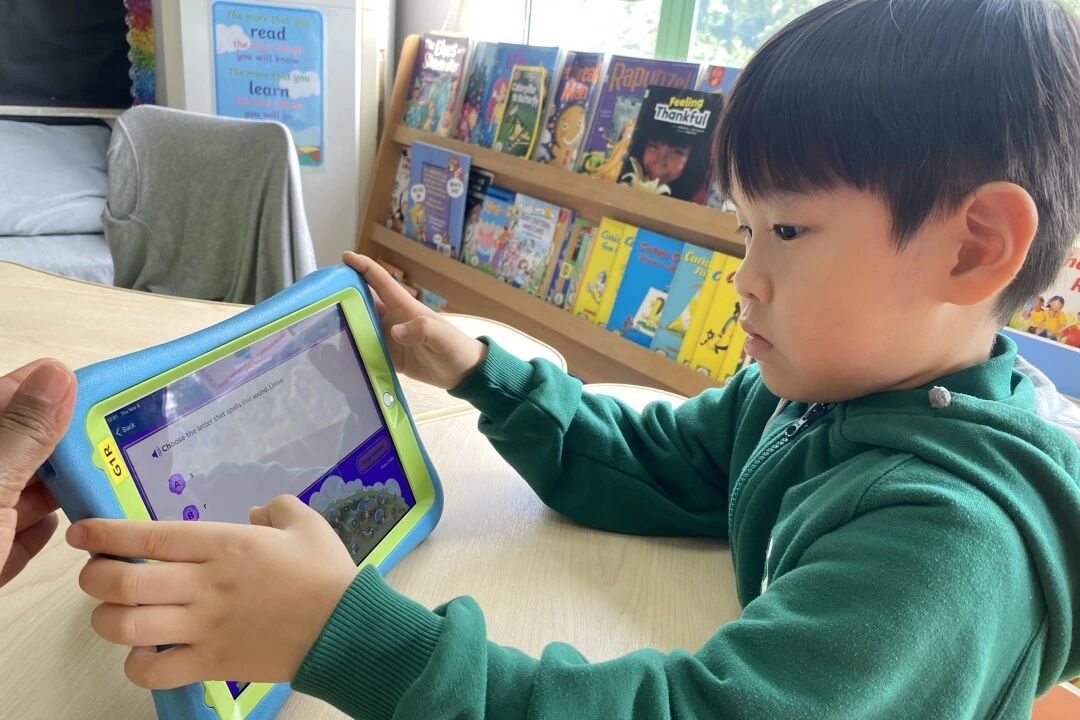
ELA teachers work closely with homeroom teachers, so language development is woven into everyday learning. Alongside the WIDA framework and National Geographic resources, NWEA MAP Growth and MAP Reading Fluency track each learner’s reading progress, and Coach gives young readers extra guided reading practice.
ELA teachers also teach the language of mathematics and join units of inquiry in the classroom.
TOOLS AND FRAMEWORKS
- NWEA MAP Growth
- MAP Reading Fluency with Coach
- WIDA standards
- AERO language foundations


ELA IN SECONDARY
ELA Enhanced
ELA Enhanced is a structured program for Secondary students who need English language support. Students are placed in a tiered support system and reassessed every six weeks, so support always matches their progress.
Small groups are taught by qualified ELA and learning support teachers, who work closely with subject departments. Students build both everyday communication skills and the academic English they need for the IB curriculum.
- In-class support
- Small-group sessions
- Extra English lessons in the timetable
- Six-week WIDA cycles
WHERE ELA CAN LEAD
From new to English to the top of the class
A perfect IB Diploma score
Our Class of 2026 valedictorian joined UISG at the end of Grade 8 with no prior schooling in English. He earned a perfect 45 points and offers including Imperial College London.
From ELA student to McGill
Gabrielle joined UISG in Grade 10 with no prior English language schooling. She earned 41 points in the IB Diploma and now studies at McGill University.
Read their stories →Beyond Language: our ELA program in action →


FAQS
Questions from families
How is my child assessed?
Assessment is ongoing. ELA teachers assess each student’s language proficiency and monitor their classroom performance together with classroom and specialist teachers. We use the WIDA proficiency descriptors to track progress.
When will my child exit the ELA program?
Students exit when they show the language and skills needed to work independently in the mainstream classroom. ELA teachers continue to check in with them in class to monitor progress and offer support.
Will my child keep learning their home language?
Yes, we encourage it. Many students also join our Mother Tongue programs, which have their own place in the timetable.
Questions about English support?
Our admissions team can tell you how ELA would work for your child. Email admissions@uisgz.org.
 English
 Chinese
 Korean
 Japanese