

WHY MOTHER TONGUE
Strong roots, confident learners
The IB recommends that all PYP students have the chance to learn more than one language from at least age 7. Research shows that children with a strong foundation in their home language can be more successful at school and enjoy a stronger sense of self-worth and identity.
Stronger learners
Students build on the language skills they already have, which supports learning across every subject.
Identity and belonging
Learning in their home language keeps students connected to their culture and heritage.
More languages, more easily
Strong mother tongue skills make it easier to learn additional languages, including English.
PRIMARY AND SECONDARY
A path from K to Grade 12
 PRIMARY
Primary Mother Tongue
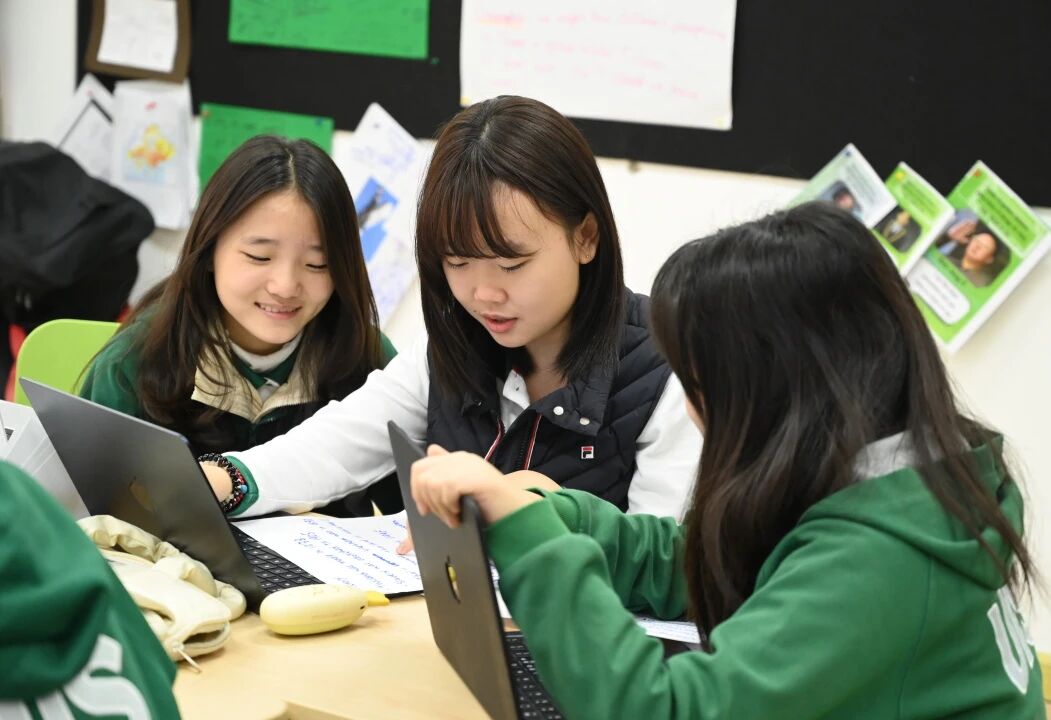
Our Primary Mother Tongue curriculum is based on the PYP language scope and sequence and AERO standards. Students use spoken and written language to make sense of the world, communicate, solve problems and take part in decisions.
- Chinese
- French
- German
- Japanese
- Korean
 SECONDARY
MYP and DP Language and Literature
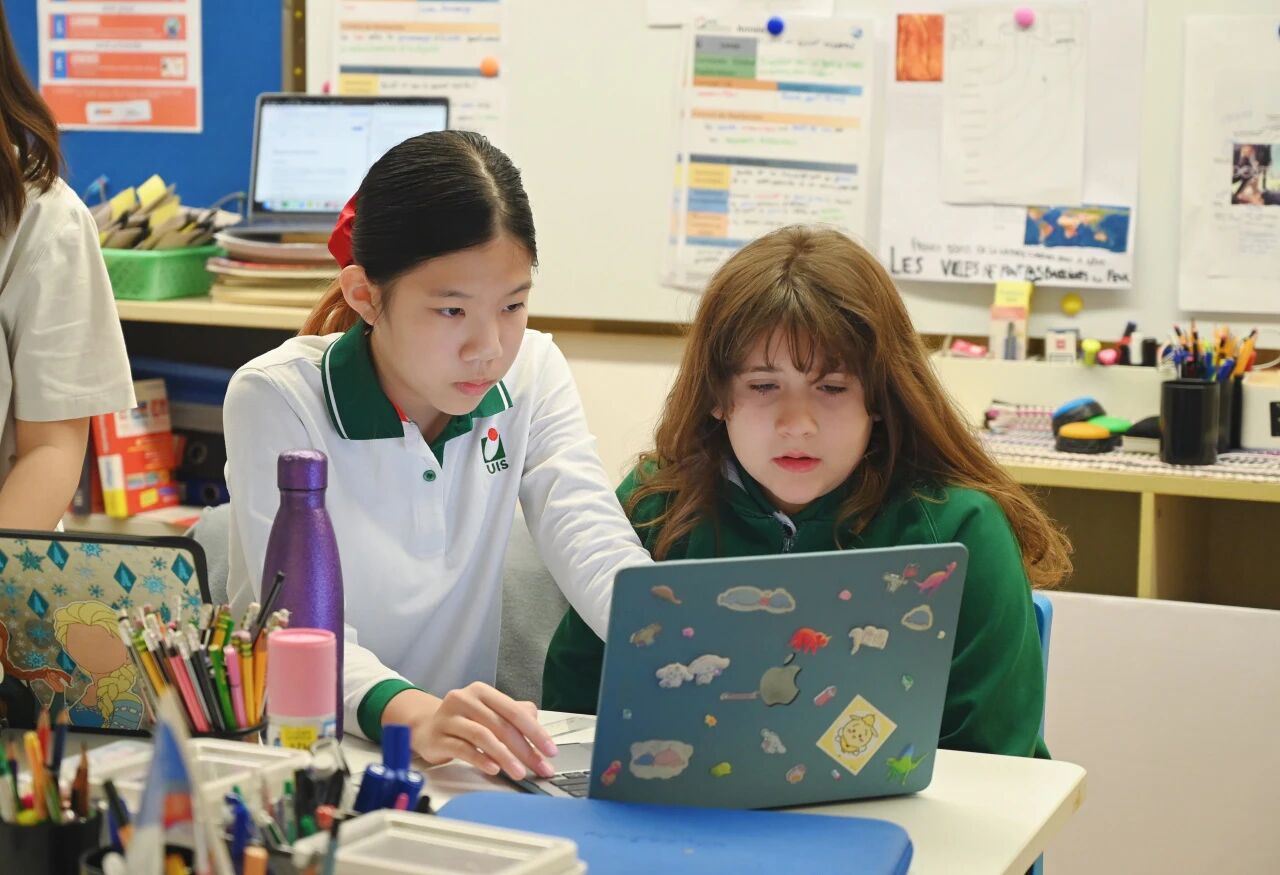
In Secondary, Mother Tongue continues through our Language and Literature courses. Students deepen their connection to their heritage and can work toward a bilingual MYP certificate and IB Diploma.
- Chinese
- English
- French
- German
- Japanese
- Korean
- Spanish
OUR LANGUAGES
Seven languages, one community
Each program is taught by a specialist teacher and is designed to help students move into, or return to, their home country’s national curriculum.
Chinese
Primary · SecondaryOur Chinese foundations curriculum references China’s national compulsory education standards for Chinese.
中文教学会参考《义务教育语文课程标准》的部分内容。
View the Chinese program →English
SecondaryNative and near-native English speakers study English Language and Literature in the MYP and DP.
New to English? See ELA →French
Primary · SecondaryOur French foundations program follows the French national curriculum.
Le programme des fondements de la langue française fait référence au programme national français.
View the French program →German
Primary · SecondaryOur German foundations curriculum follows the primary curriculum of the German state of Thuringia.
Curriculum für Sprachgrundlagen orientiert sich am Lehrplan für die Grundschule des Landes Thüringen.
View the German program →Japanese
Primary · SecondaryOur Japanese foundations curriculum references Japan’s national course of study for elementary schools.
日本語母語クラスにおける基礎技能習得カリキュラムは、小学校学習指導要領を参考にしています。
Korean
Primary · SecondaryOur Korean foundations curriculum references Korea’s 2015 revised national curriculum for elementary Korean.
한국어 기본언어 교육은 2015 개정 교육과정(초등 국어 단원지도계획)을 참고하고 있습니다.
View the Korean program →Spanish
SecondarySpanish Language and Literature is taught by specialist teachers whose mother tongue is Spanish, with communicative activities across literary and non-literary texts.
Para hablantes nativos de cualquiera de los 21 países hispanohablantes, o con un nivel casi nativo.
WHO CAN JOIN
Is Mother Tongue right for my child?
Students are usually eligible for a Mother Tongue program if they:
- come directly from a community where the language is spoken
- have attended a school taught in that language
- use the language with their family outside school
For Spanish, students should be native speakers or have a near-native level. The school places each student in the program that best fits their needs.
Mother Tongue classes have their own place in the timetable, separate from English Language Acquisition.
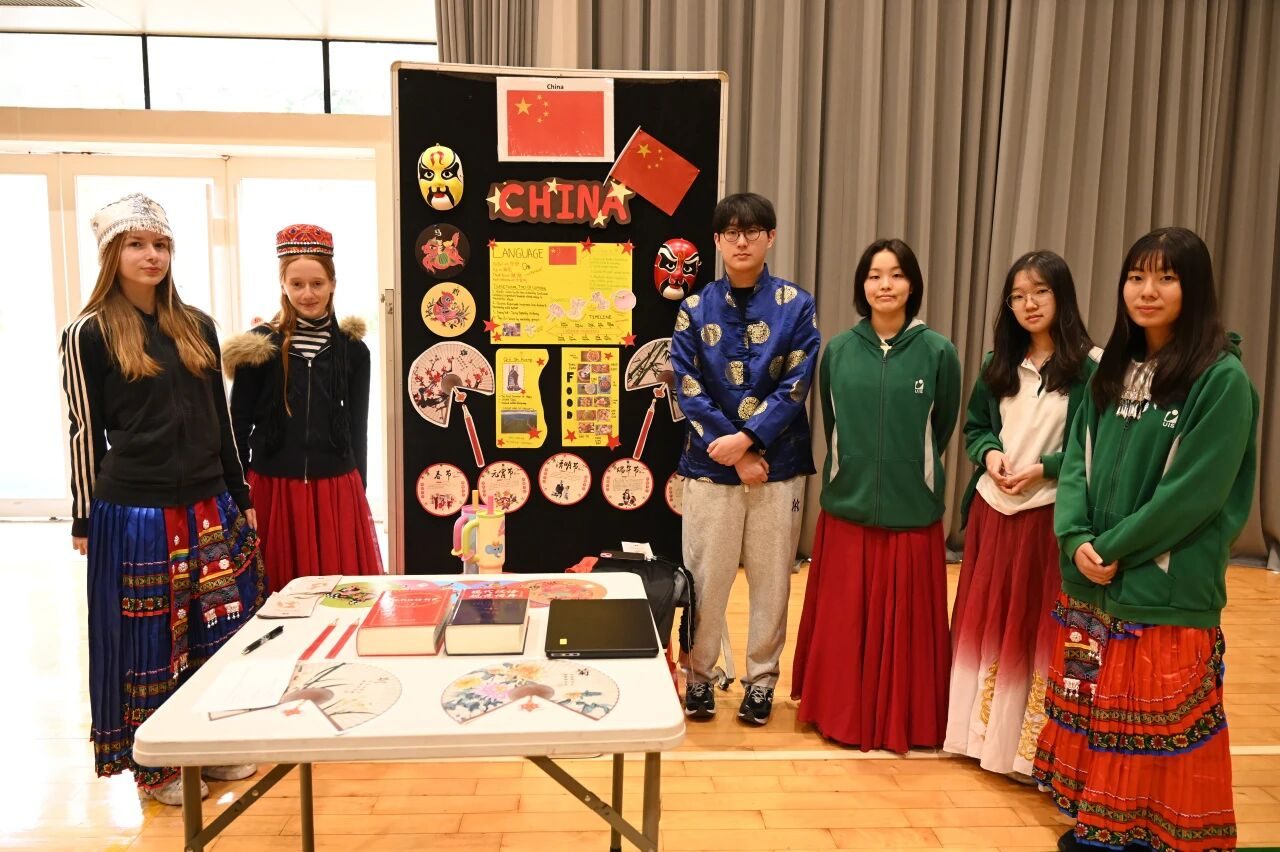
INTERNATIONAL MOTHER TONGUE DAY
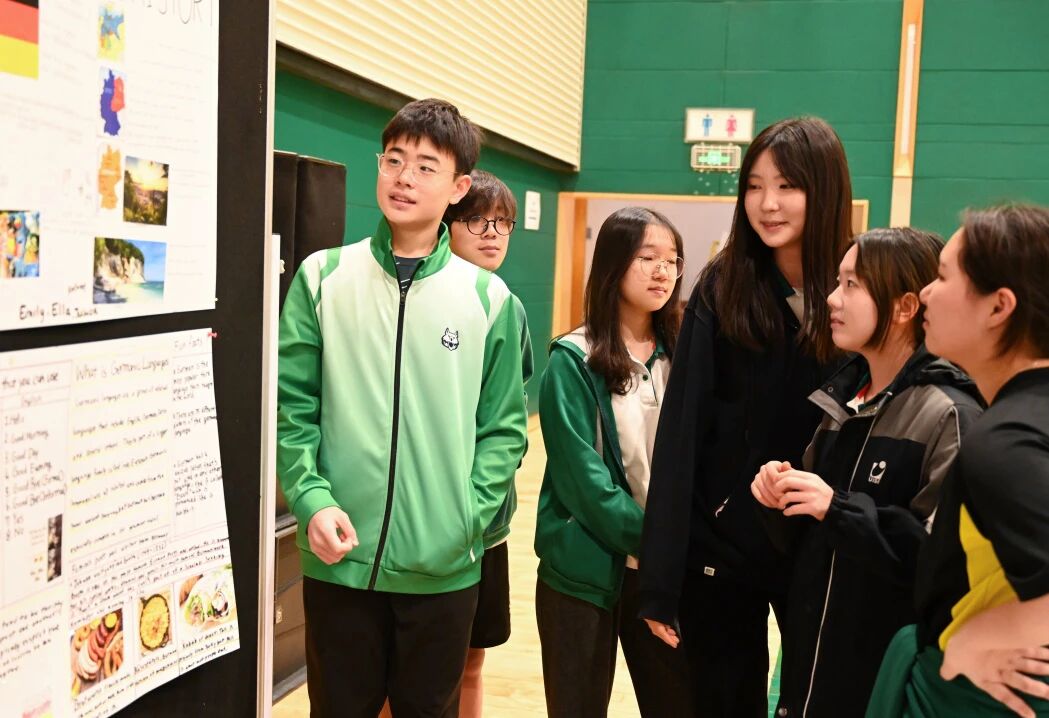
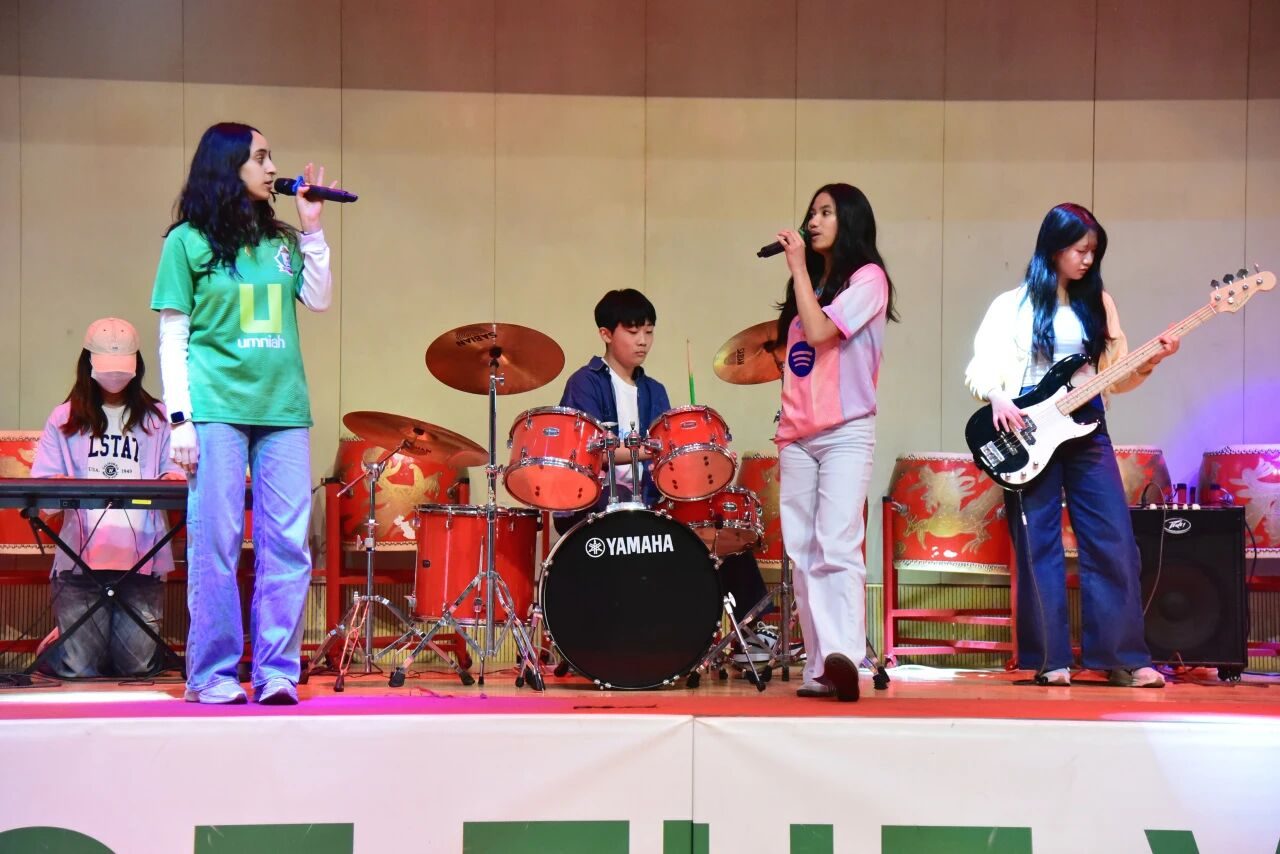
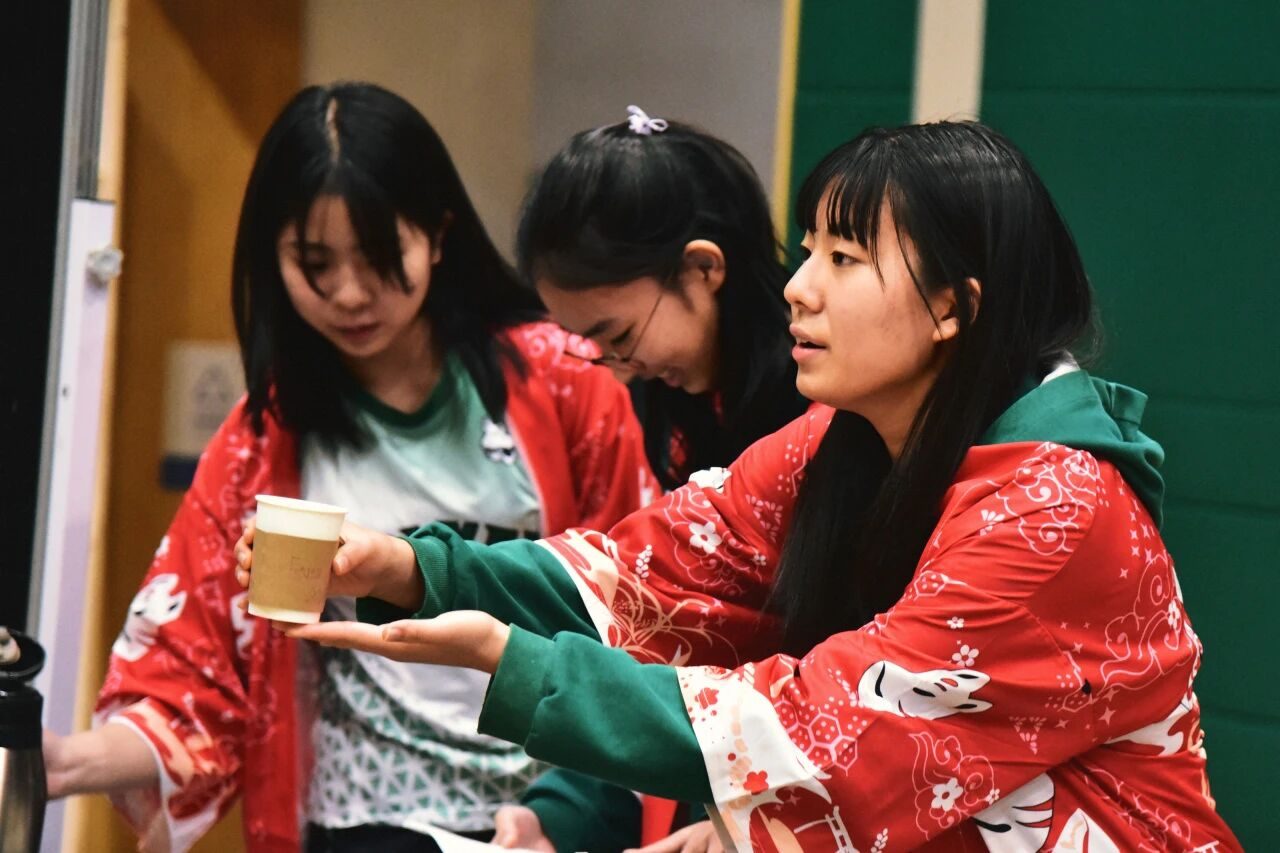
Celebrating every language
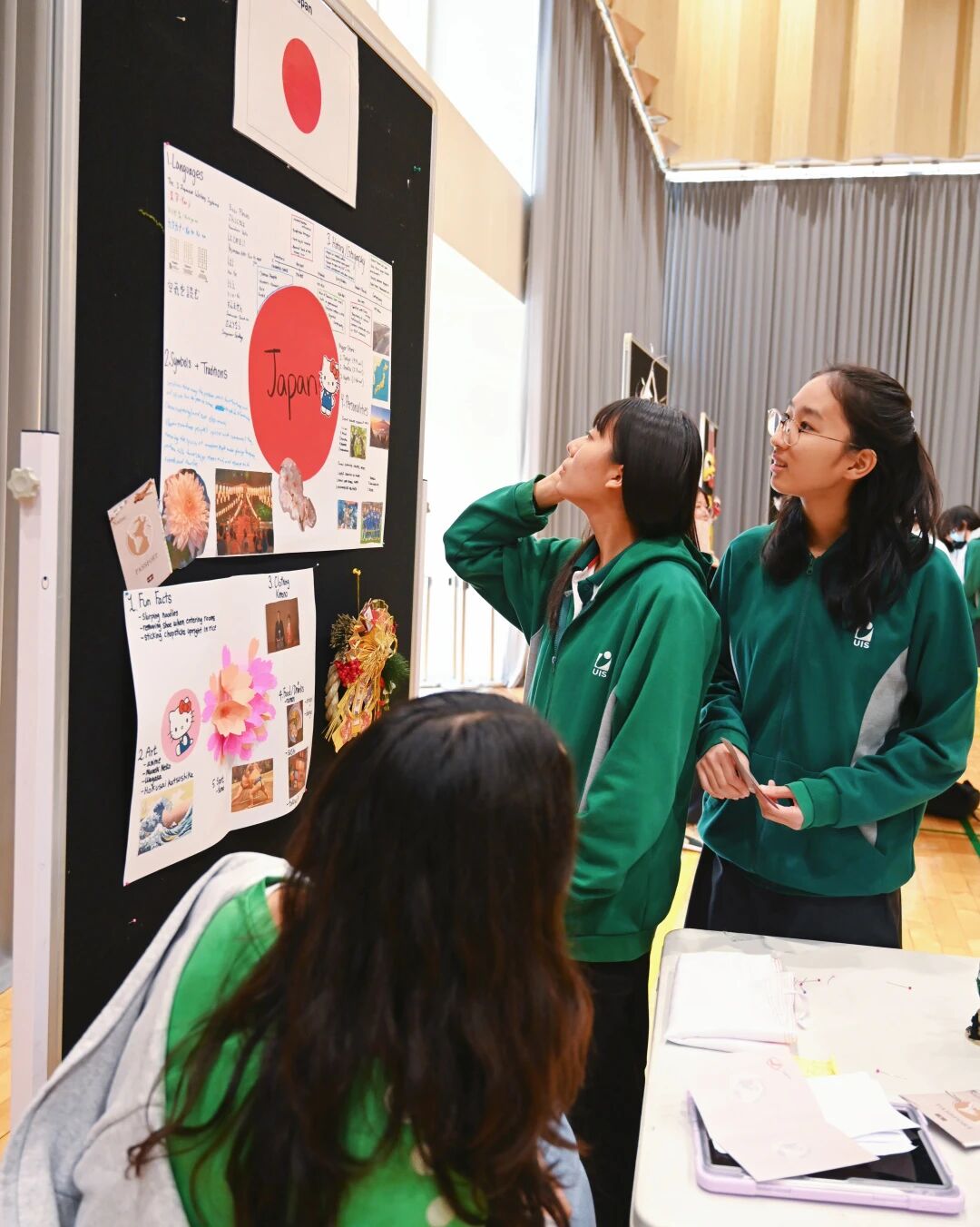
Each year our whole community celebrates the languages and cultures that make UISG home, with performances, food and student showcases.
Questions about Mother Tongue?
Our admissions team can help you find the right program for your child. Email admissions@uisgz.org.
 English
 Chinese
 Korean
 Japanese