


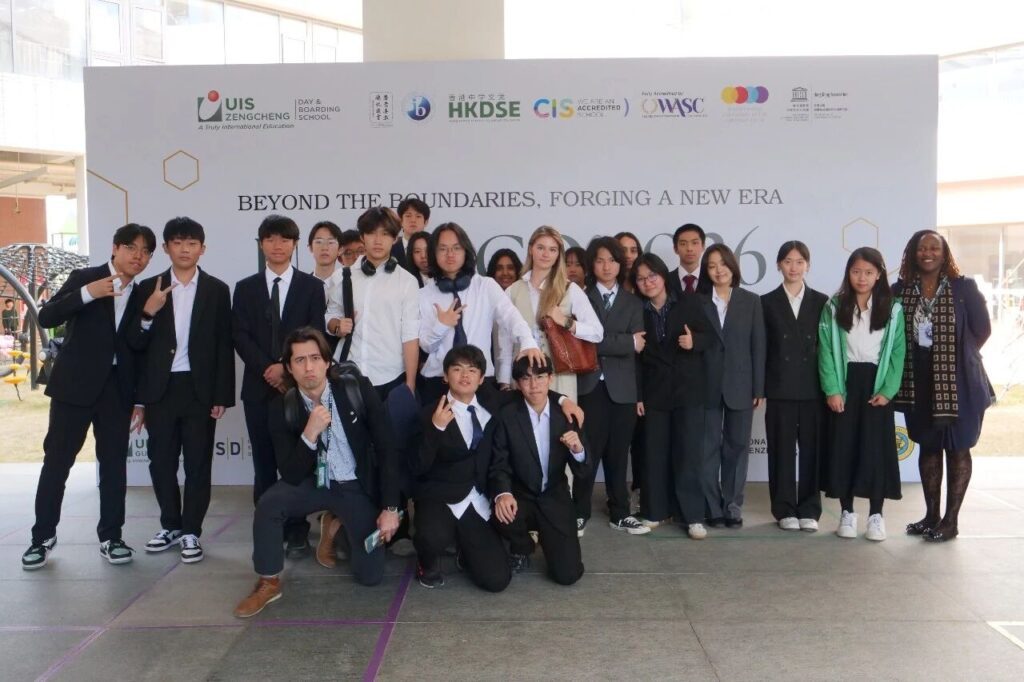
U2NESCO 2026
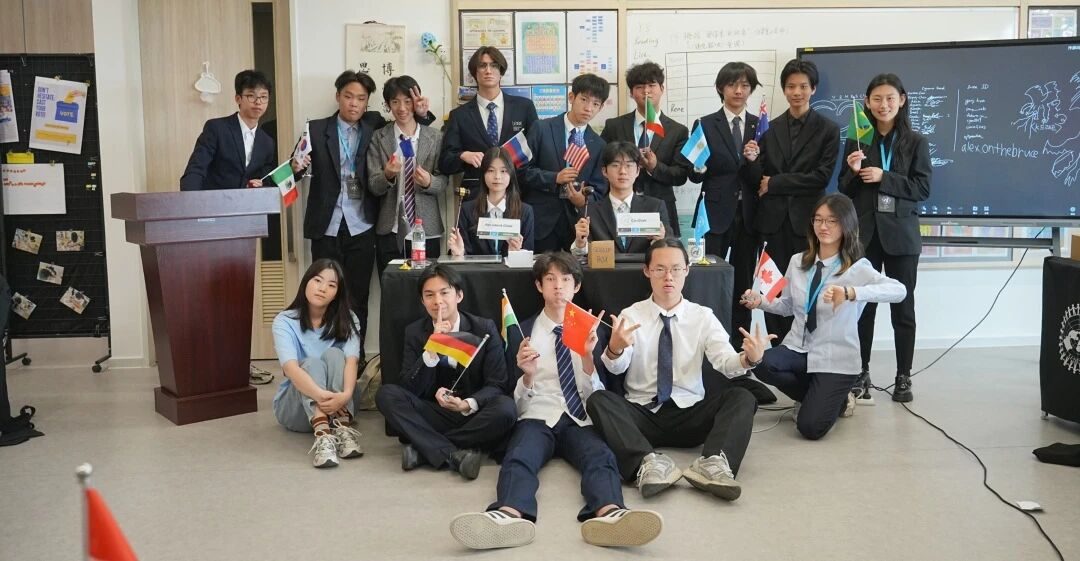
I’ve always believed Model UN teaches diplomacy. But at the recent U2NESCO conference hosted by our sister campus UISZ, I saw its true power: it uniquely builds quick thinking alongside deep empathy.
This year’s conference pushed students to engage with complex global issues: climate justice for vulnerable nations, equitable access to education, disarmament, and the rights of refugees.
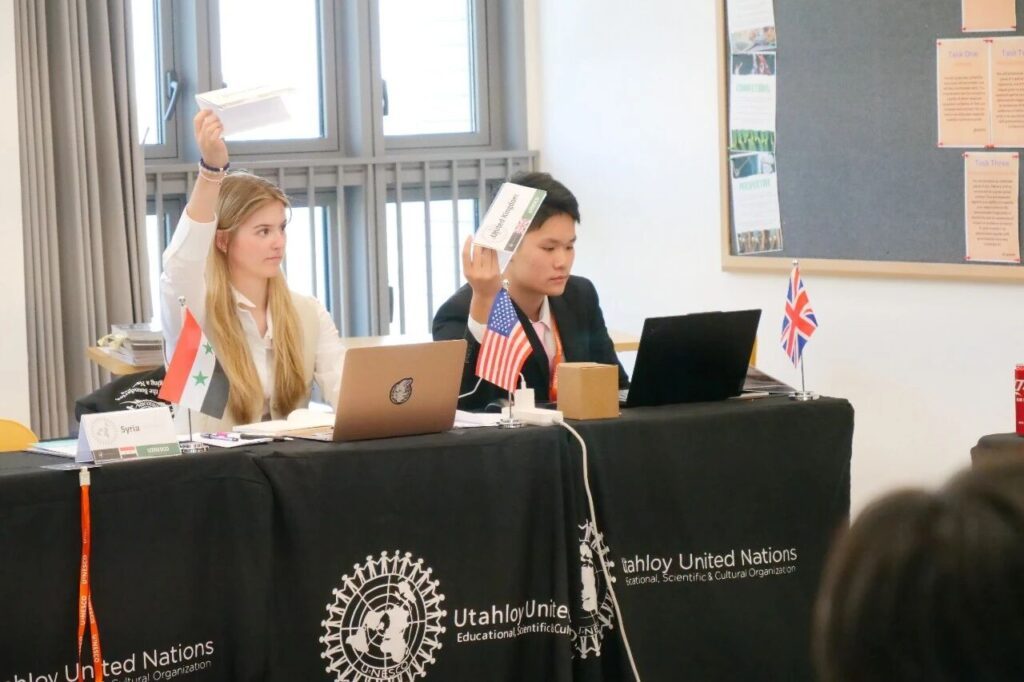
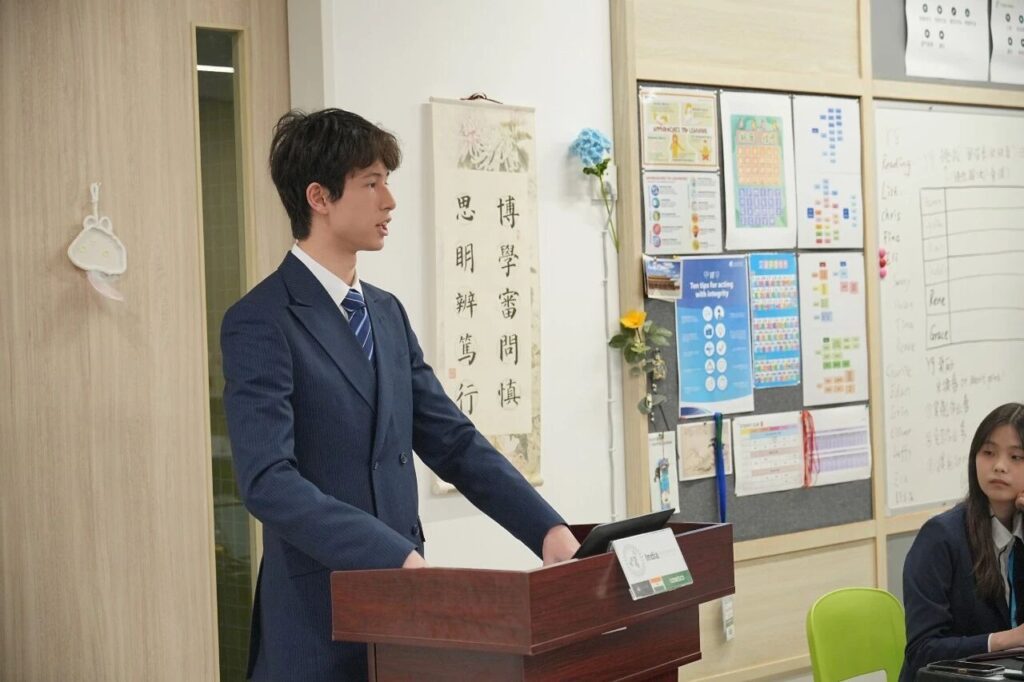
The heart of the experience though is the real-time, unaided skill of rapid analysis. After a delegate’s speech, students have seconds to listen, identify a logical gap, and fire a sharp, clarifying question. They call this “thinking on your feet.” I saw it as building mental agility – the kind of quick, critical thinking that no AI can replicate.
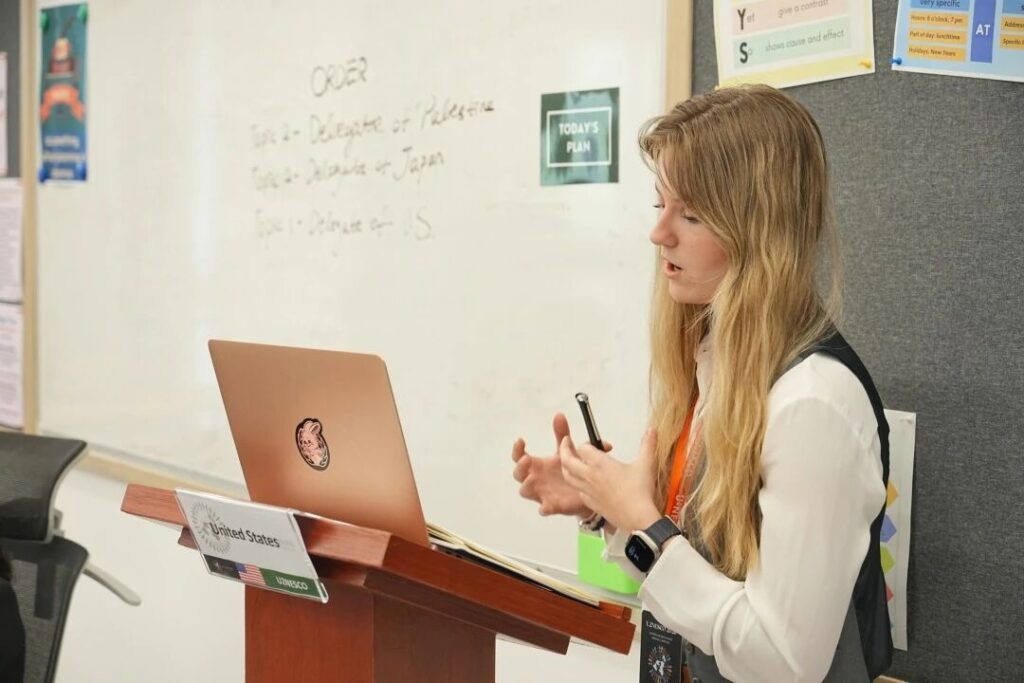
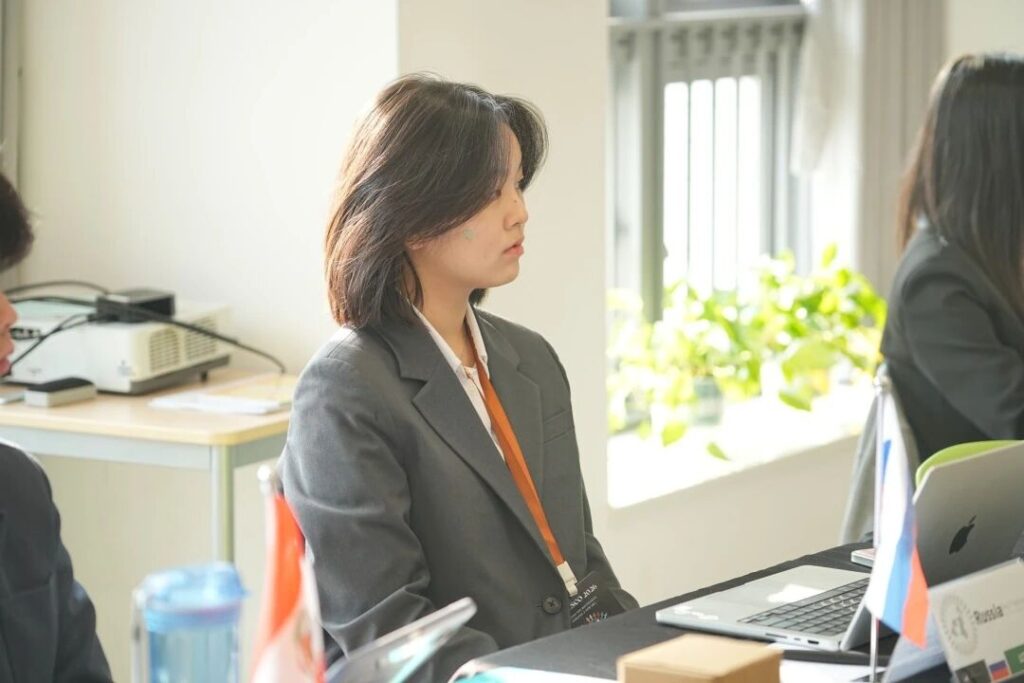
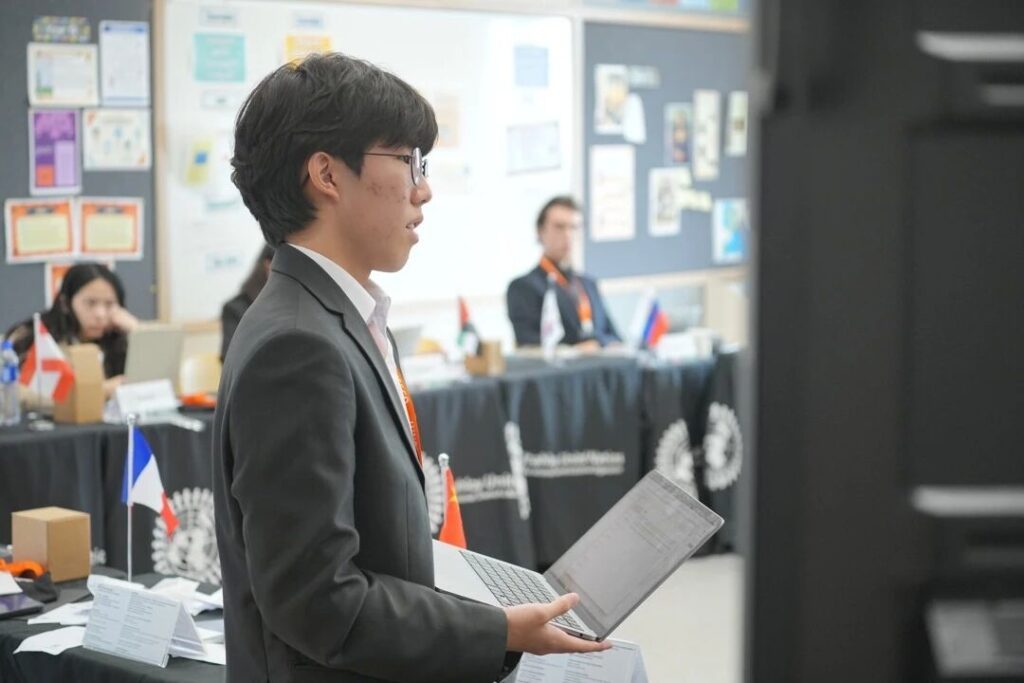
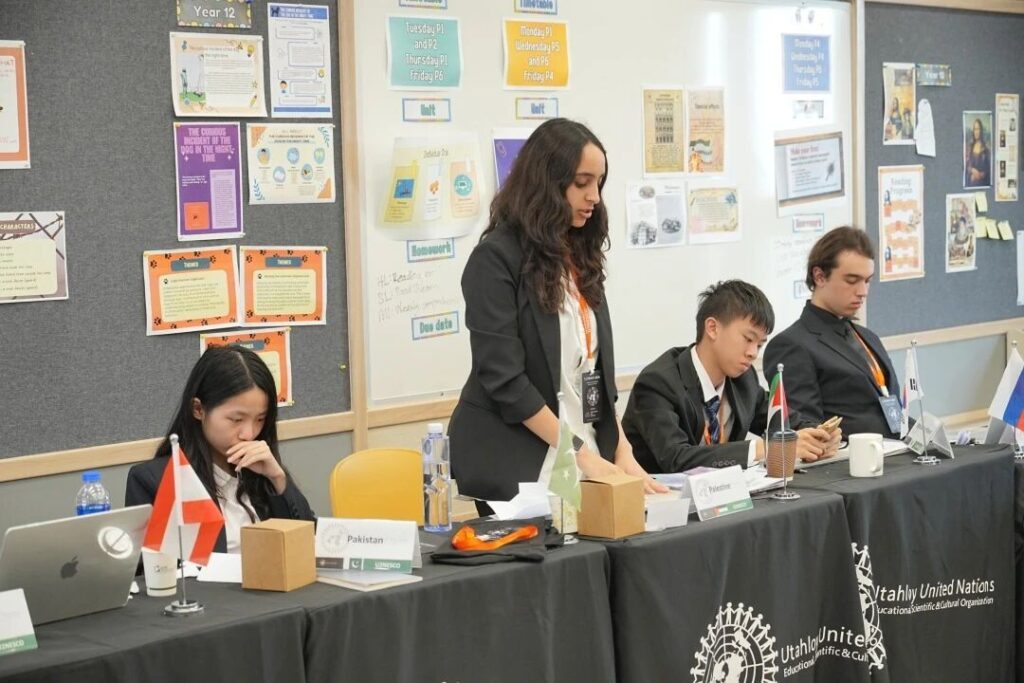
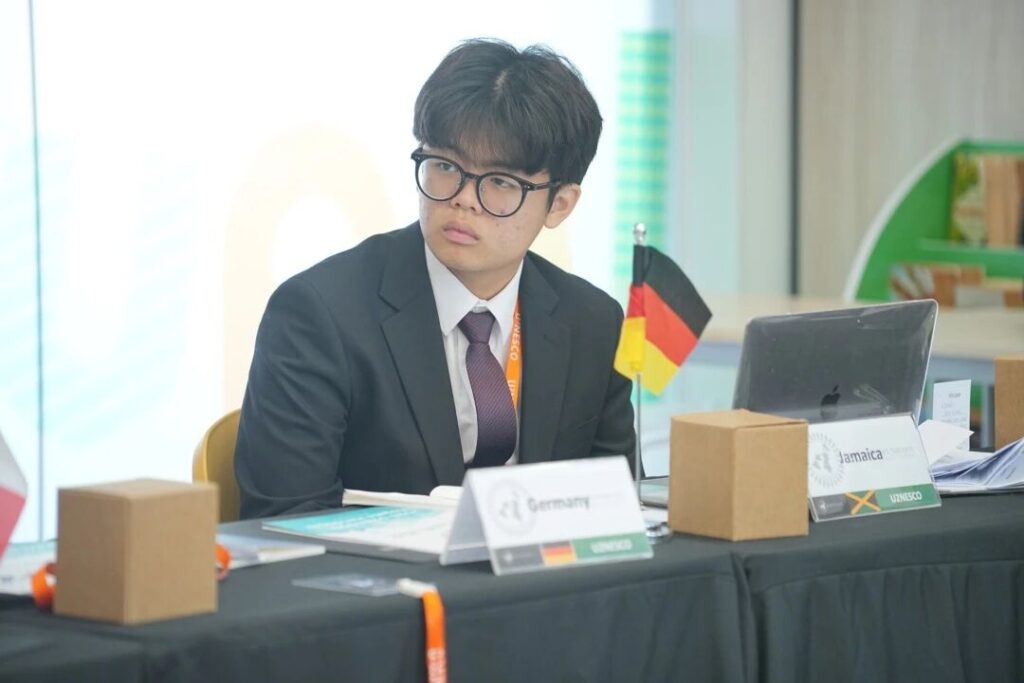
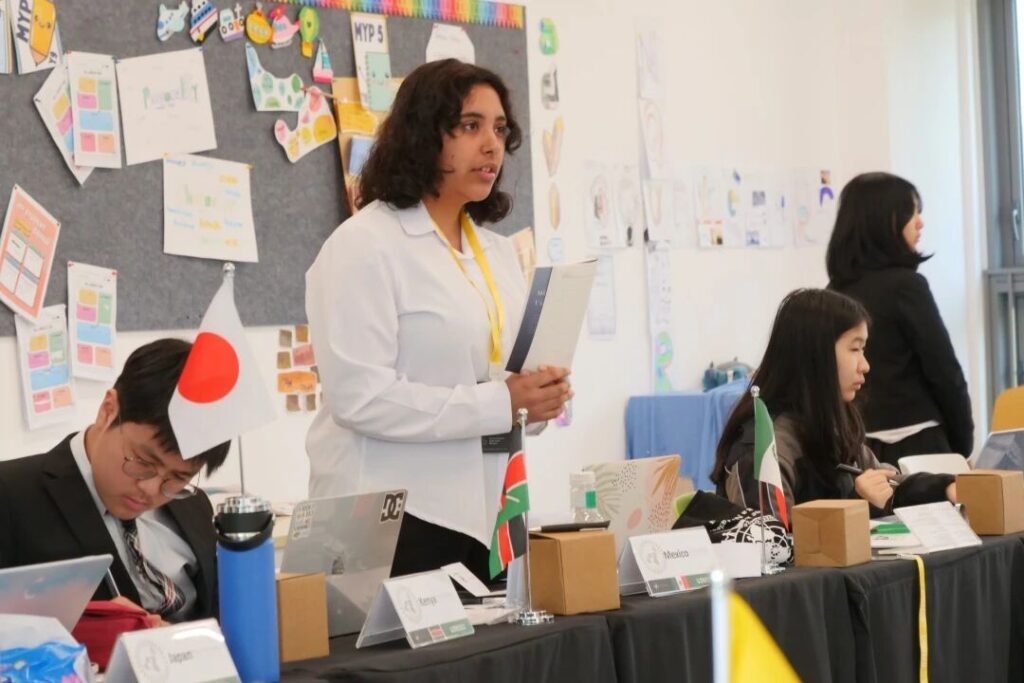
But here’s what makes MUN special: this fast thinking requires slow understanding. To argue for climate reparations as a Pacific island nation, or for educational reform as a delegate from a post-conflict zone, students must first slow down. They must deeply research and empathize with a country’s history, constraints, and needs. They aren’t just scoring points; they are learning to see the world through another’s eyes.
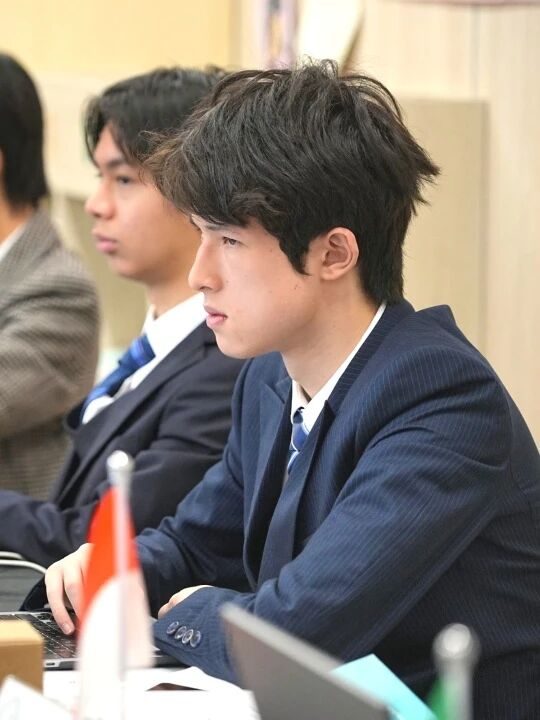
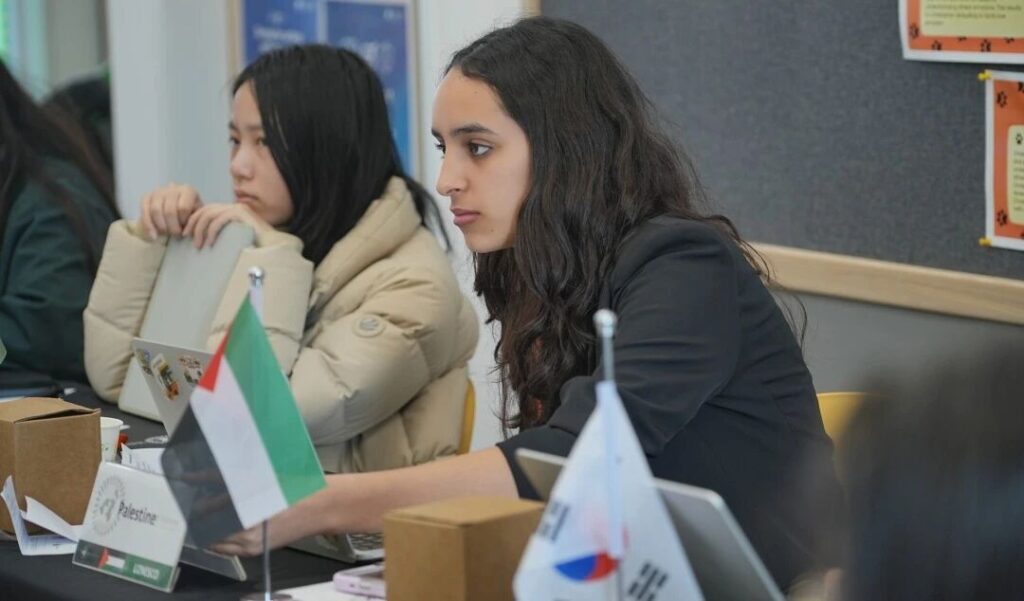
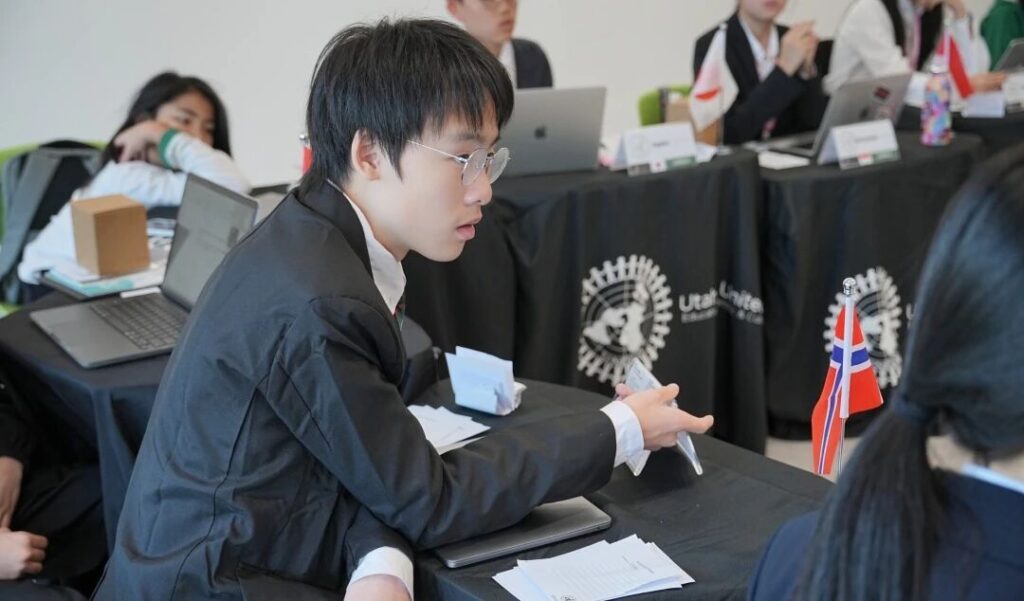
The magic happens when these two skills fuse. Quick thinking becomes more strategic because it’s guided by empathy. Empathy becomes actionable because it’s tested in live debate.
Walking away with our delegation’s awards, the students realized something profound: that slowing down to understand someone else’s position is what makes your own arguments stronger and more human.
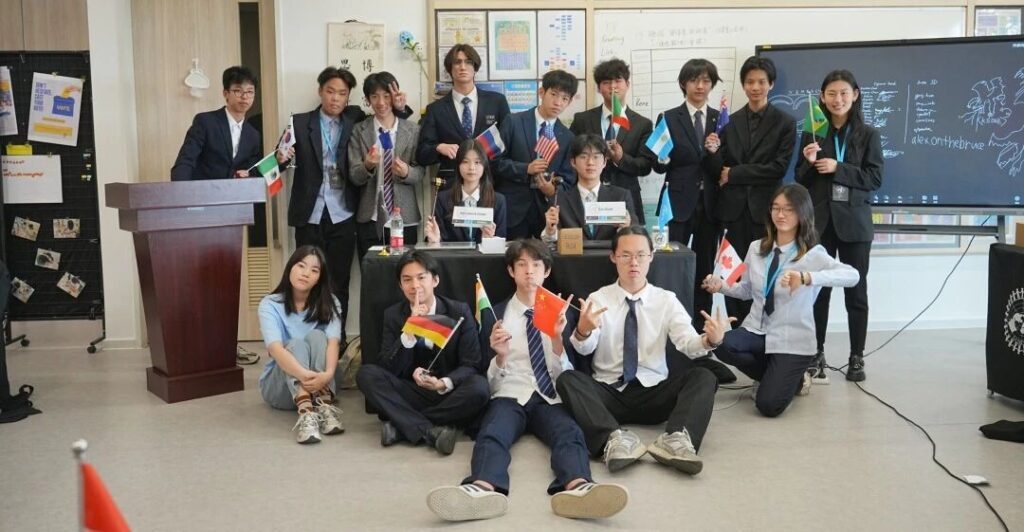
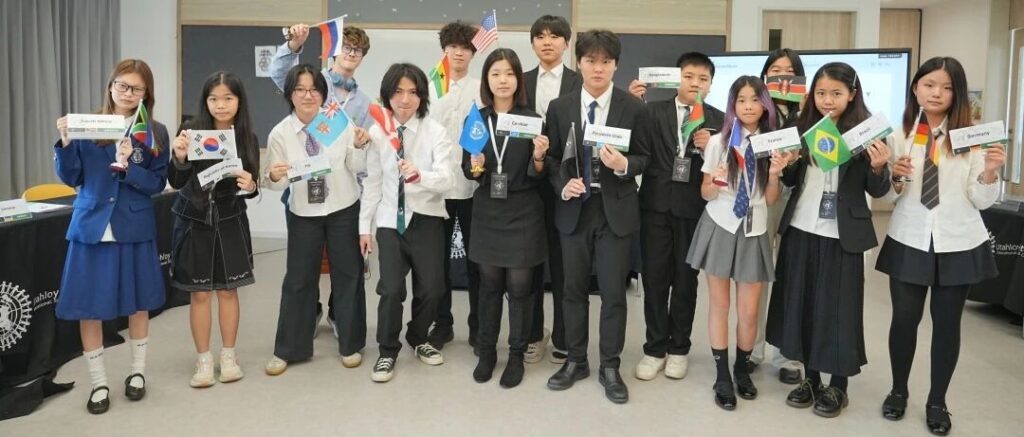
In the end,
Model UN doesn’t just train future diplomats. It trains agile, compassionate thinkers.
Toulouse Roy
Secondary I&S Teacher
U2NESCO 2026
Toulouse Roy
Secondary I&S Teacher
/ 終了
 Japanese
 English
 Chinese
 Korean