


Help me to do by myself
Education
UNC’s Education Philosophy
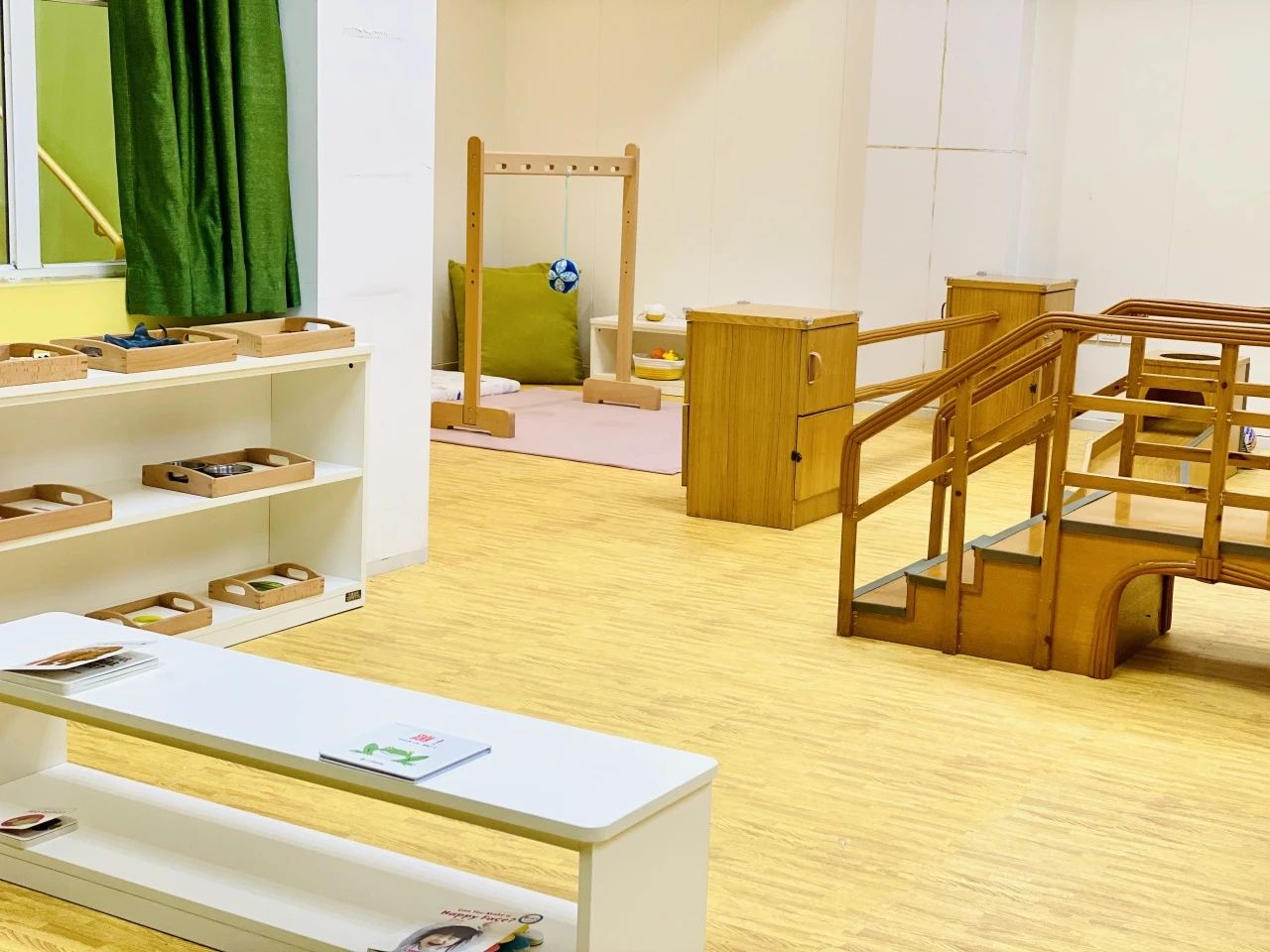
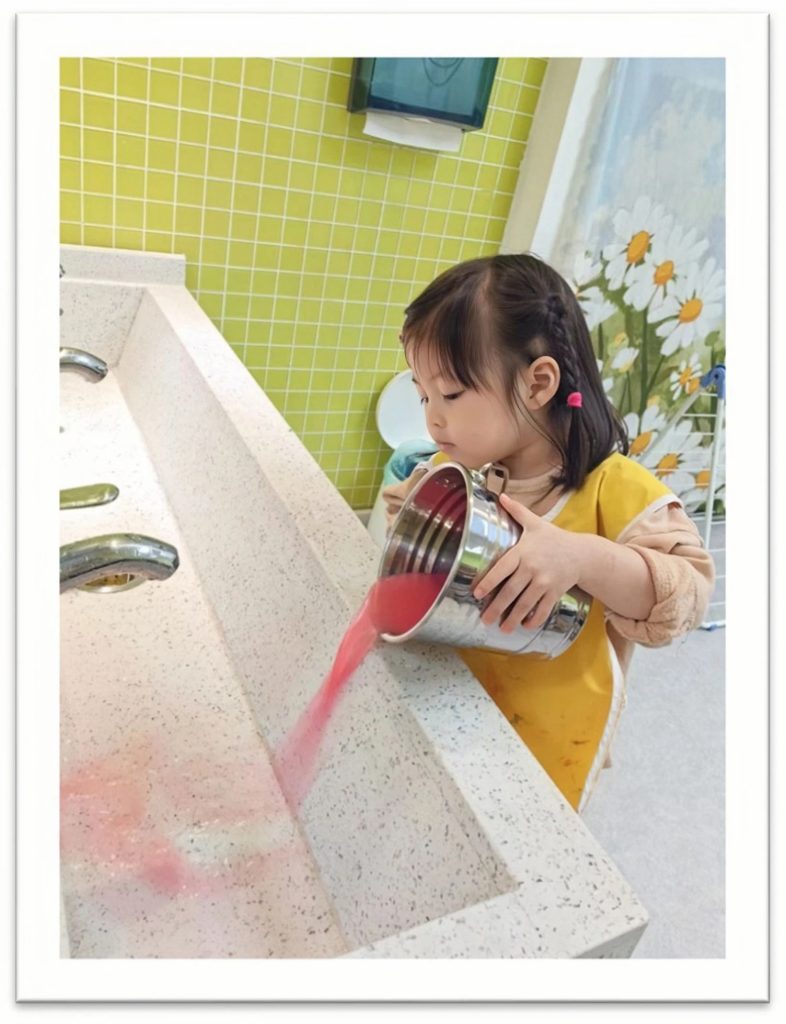
Guangzhou Utahloy International School Nursery Centre is referred to as UISG.UNC; UNC adopts the Montessori teaching method and philosophy. We focus on cultivating children’s independence, just like the children say “help me to do by myself”.
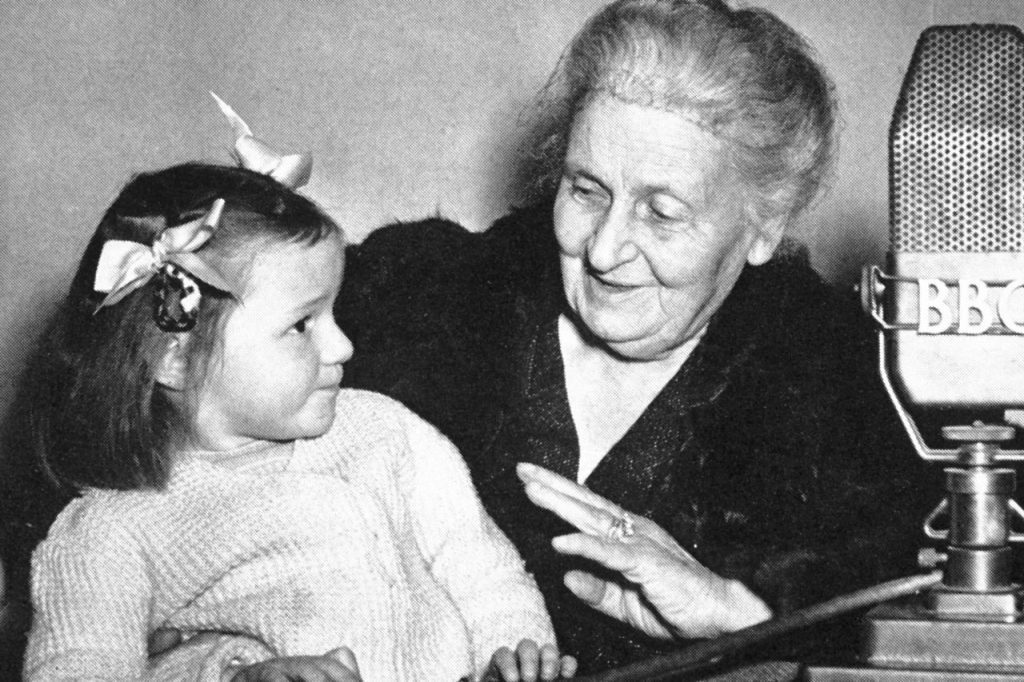
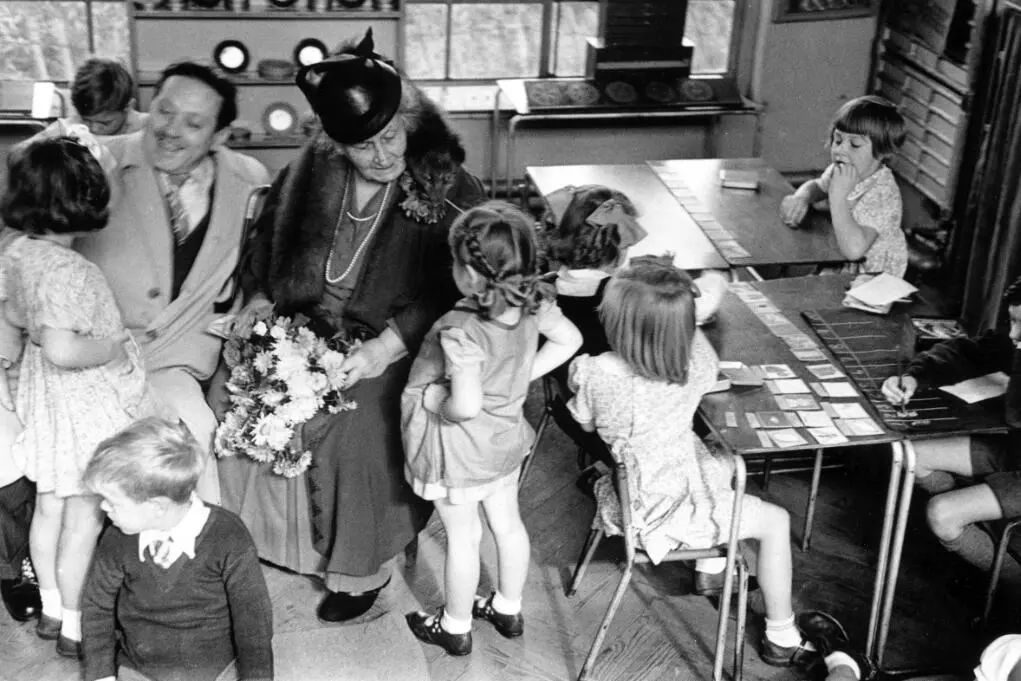
“Montessori is an education for independence, preparing not just for school, but for life.”
—Maria Montessori
Montessori education is life-oriented education and mixed-age education. The environment provides real and natural objects, close to adult society. Everyone cares about each other, behaves grace and courtesy, and the children live and study in a warm and peaceful environment.
Montessori education is an education based on independent exploration and free choice; children are respected as individuals in their environment. Through observation, teachers constantly provide children with activities and presentations that are in line with their recent development zone, helping children explore and find their own interests and goals, enjoy of challenging themselves, and achieve complete self-construction, and lay the foundation for children’s future life.
クラス
Classes Offered at UNC &
What We Will Learn
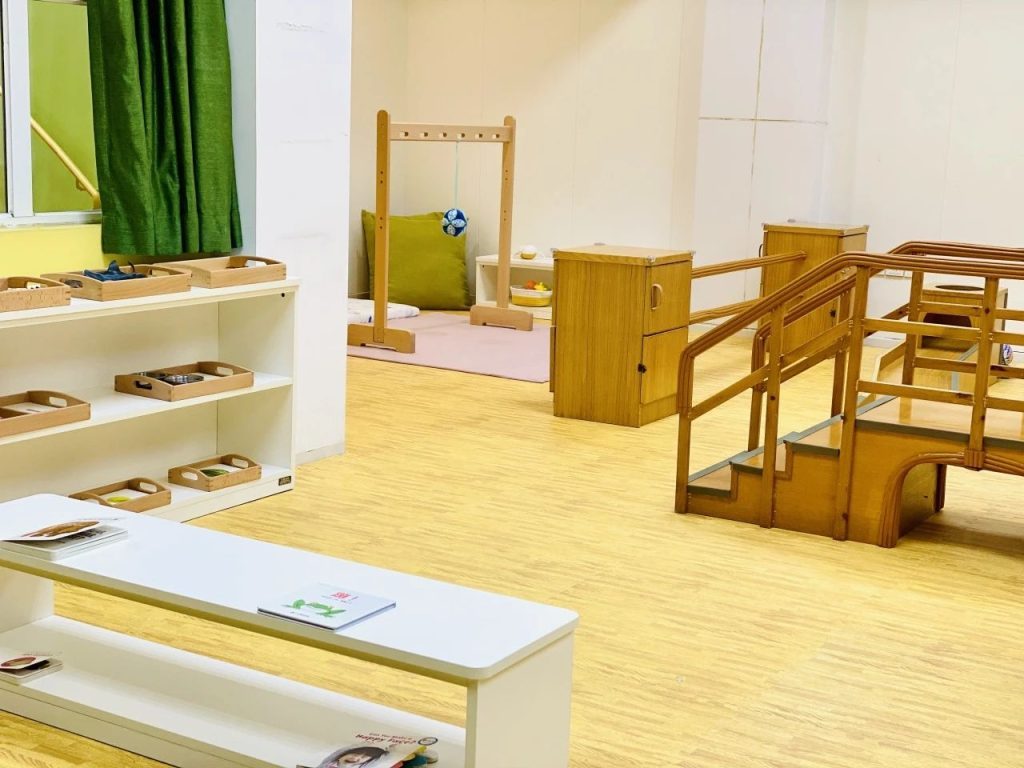
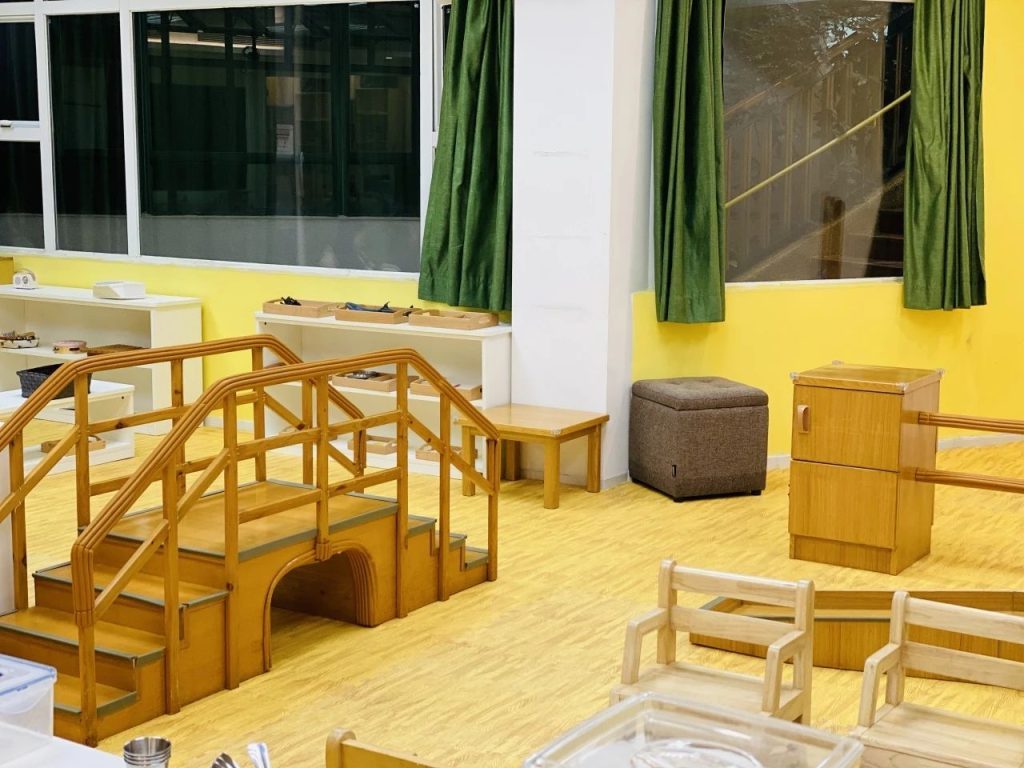
We currently offer Nido classes and IC classes and CASA classes in existing kindergarten and primary school teaching buildings. Nido class is suitable for children 6-18 months old, parents can choose to enroll their children in half-day or full-time classes, and we also offer half-day parent-child classes on weekends; IC (Infant Community) class is suitable for children 18-36 months old, parents can choose to enroll their children in half-day or full-time classes; and CASA class is suitable for children aged 3-6 years old, Children attend school all day. The environmental design is in line with children’s movements and the social, psychological, language and cognitive development needs of their age.
ニド
I.C.
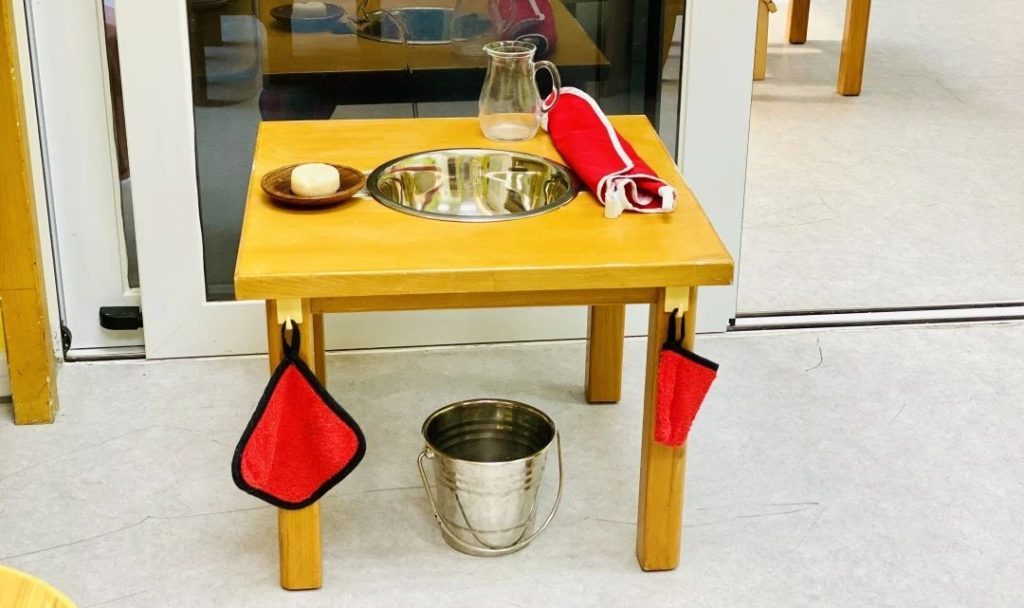
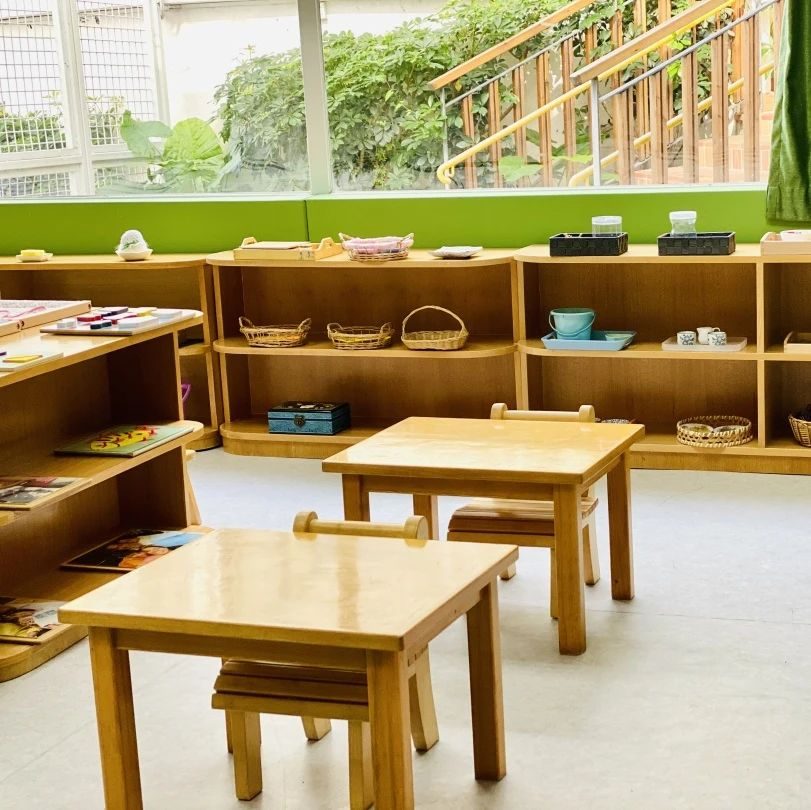
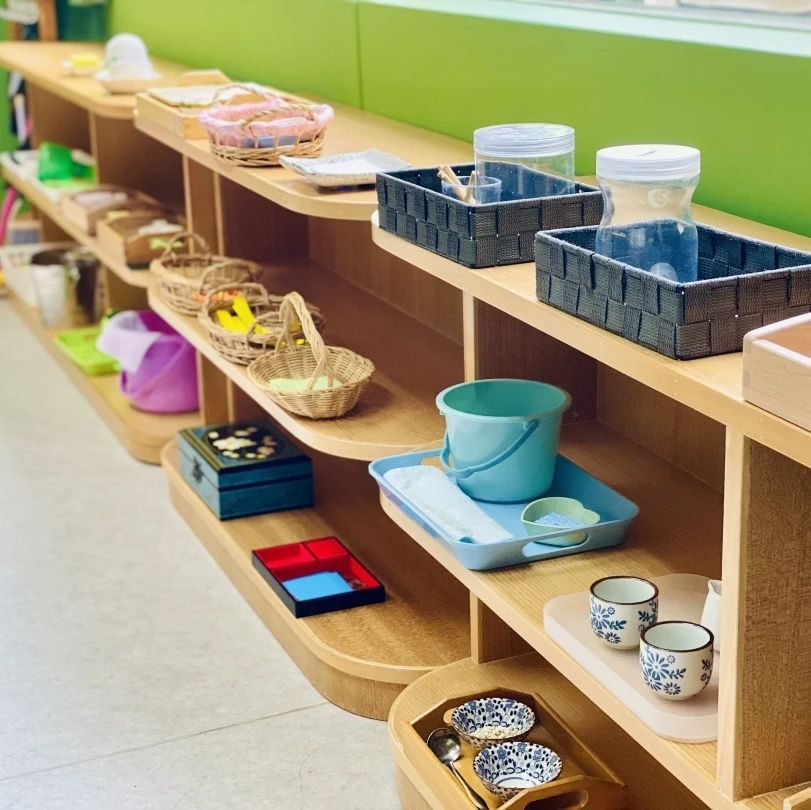
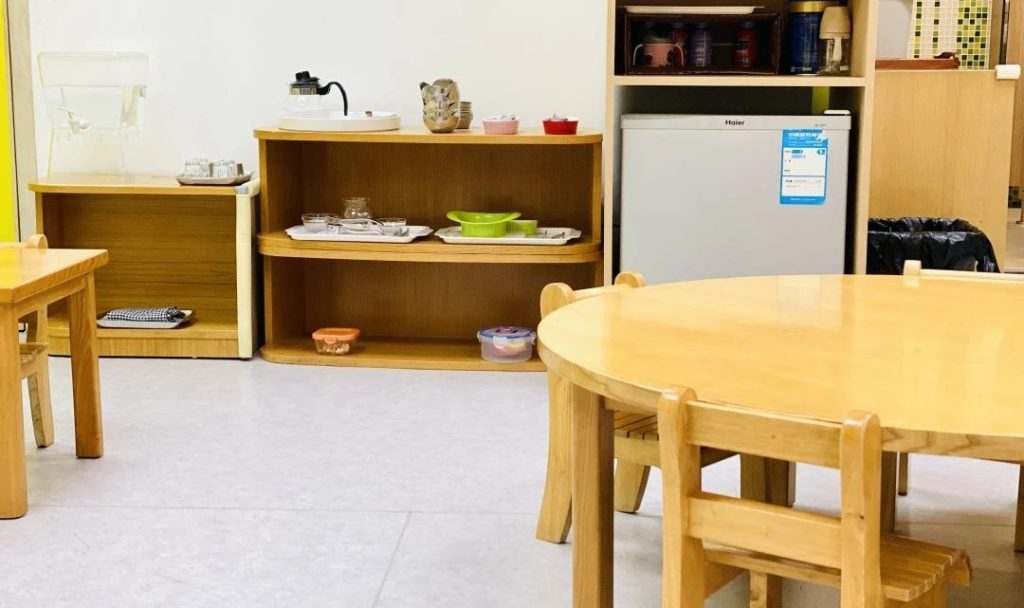
Casa
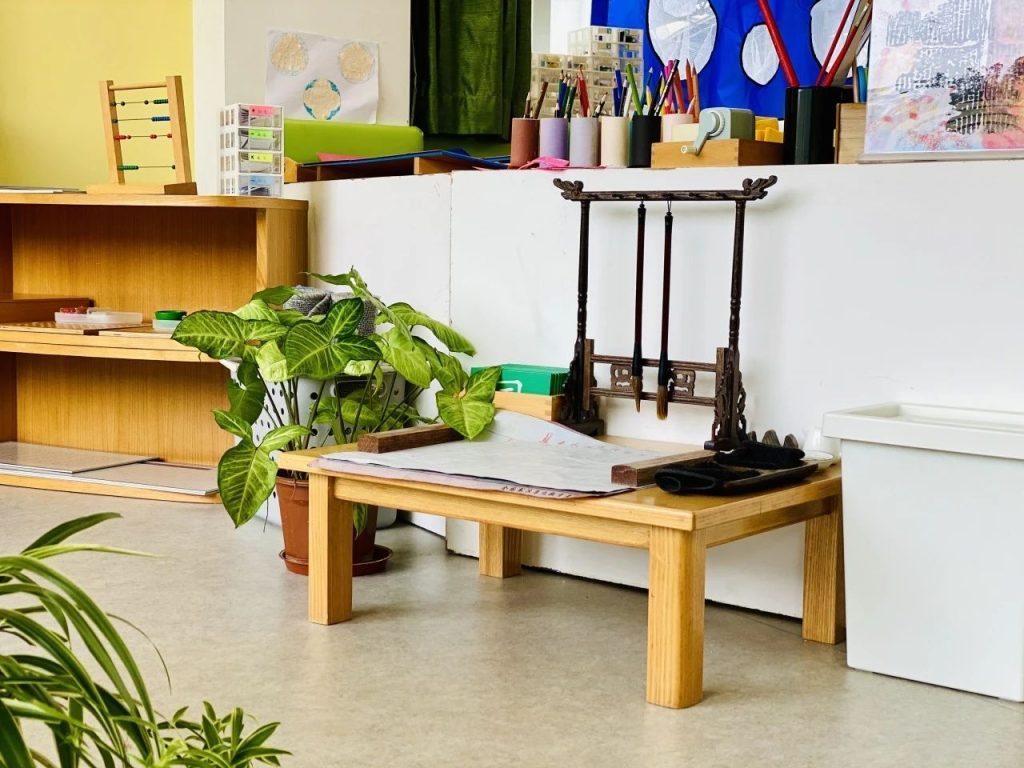
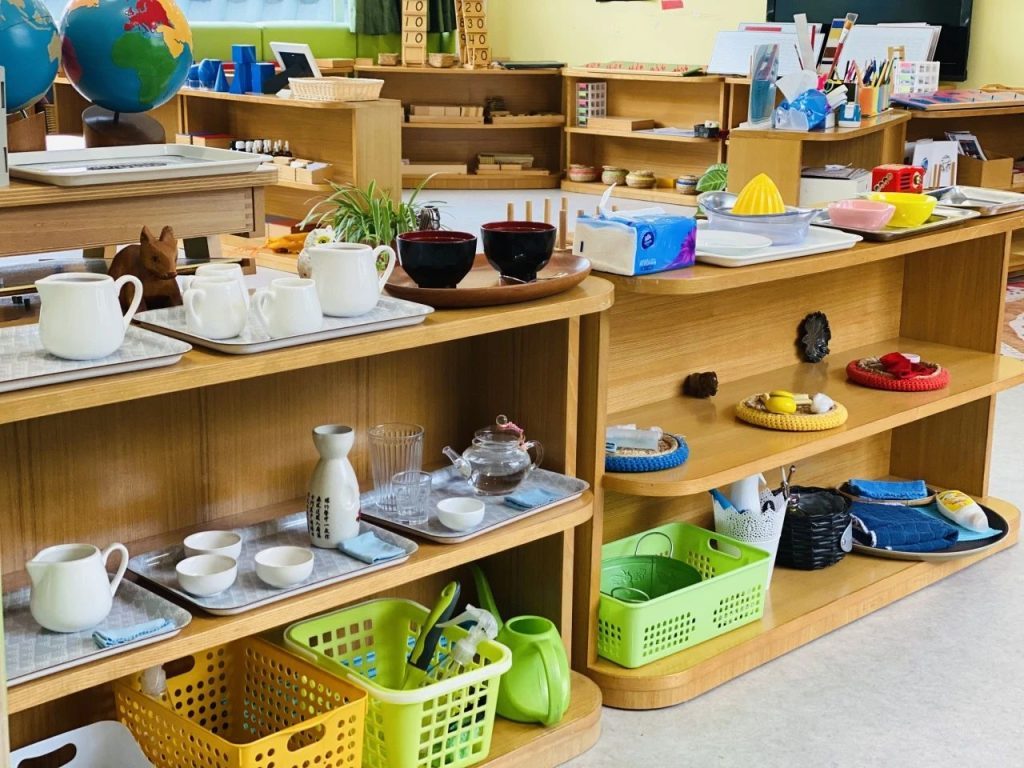
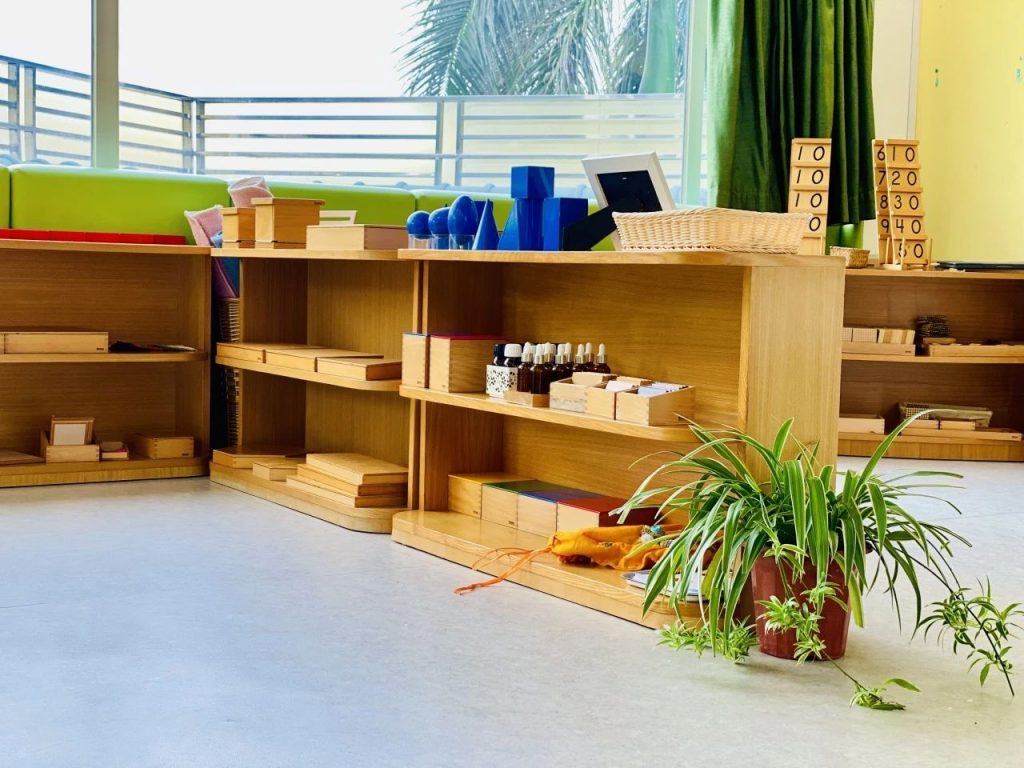
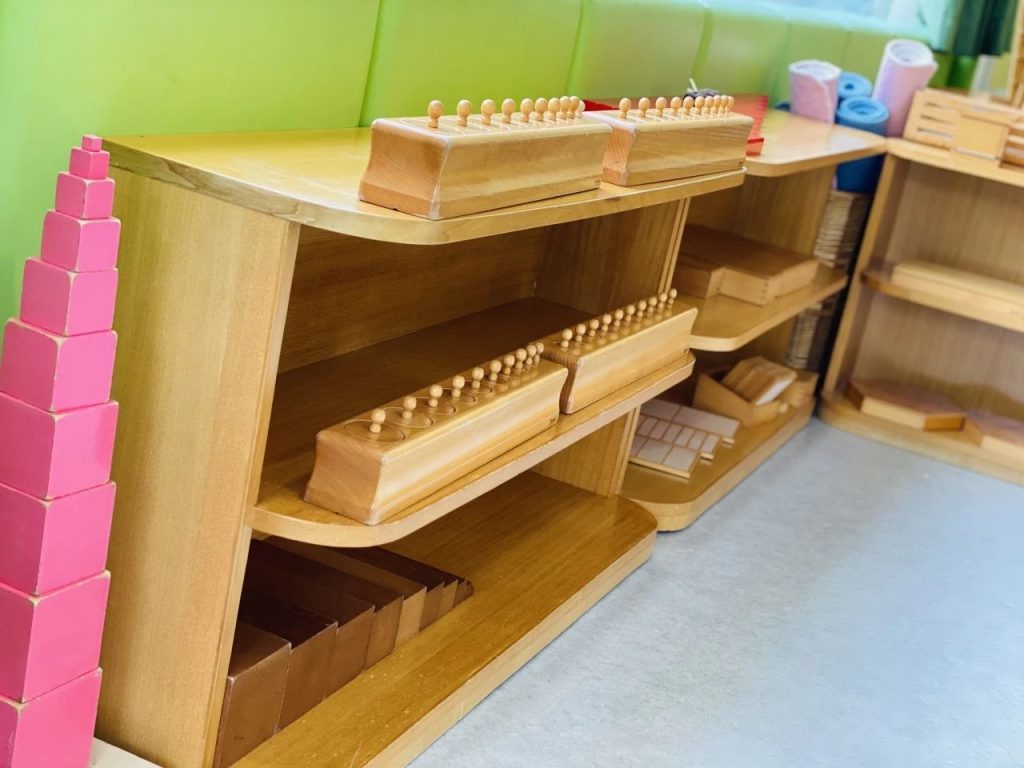
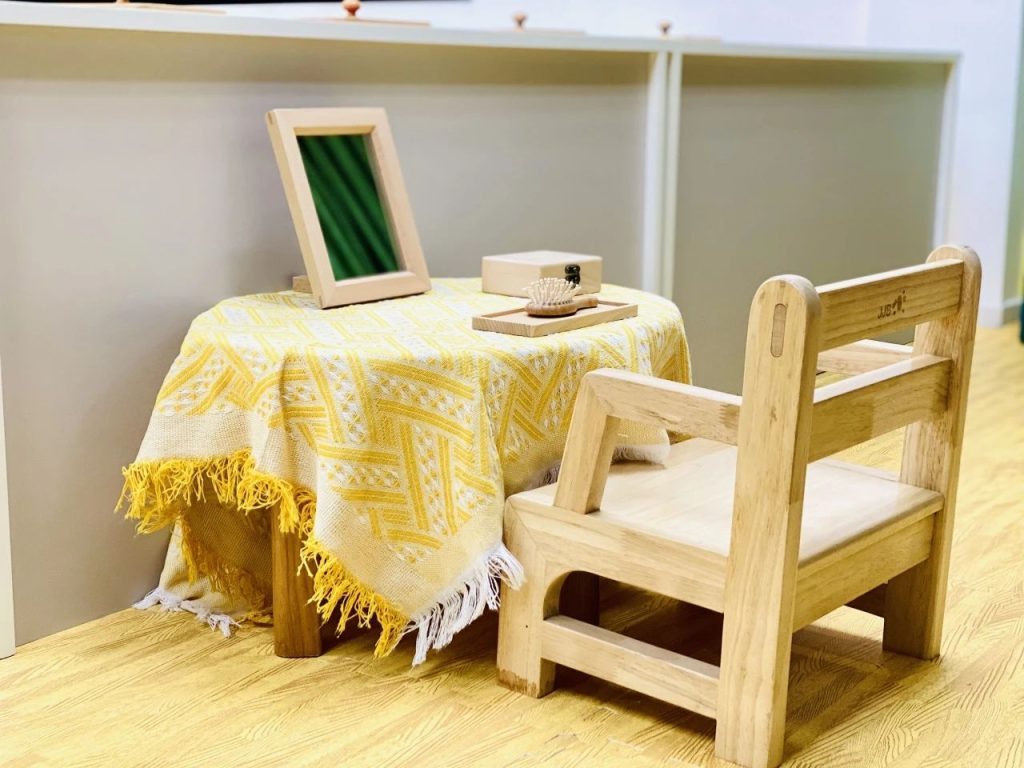
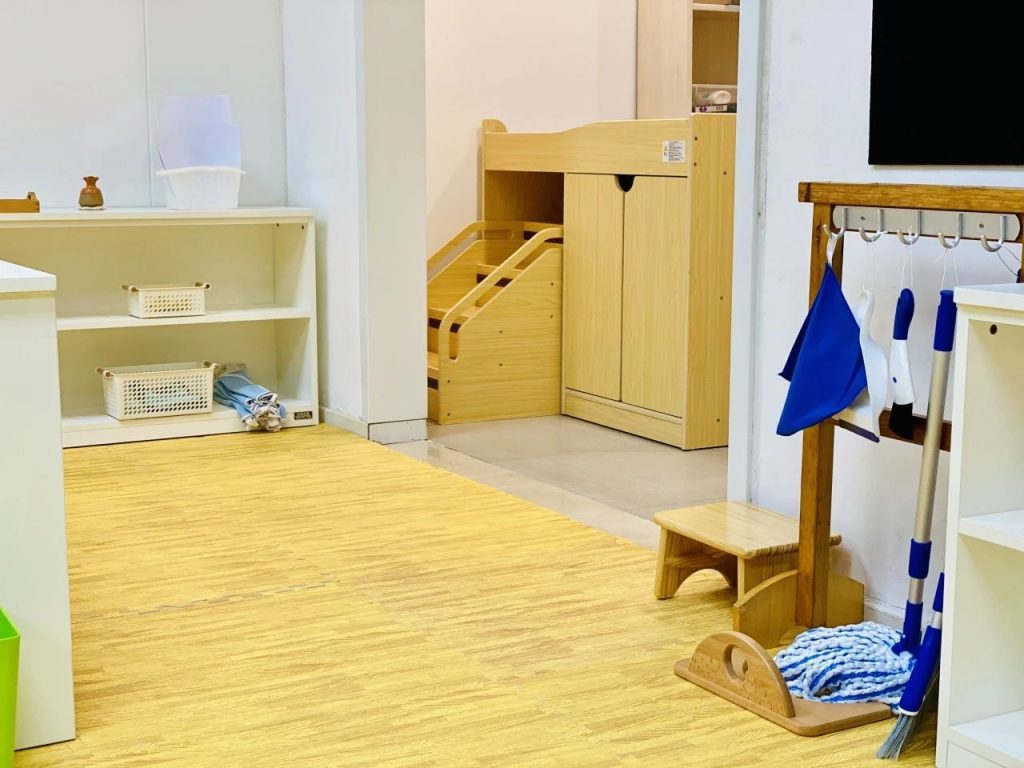
UNC CASA CLASSROOM
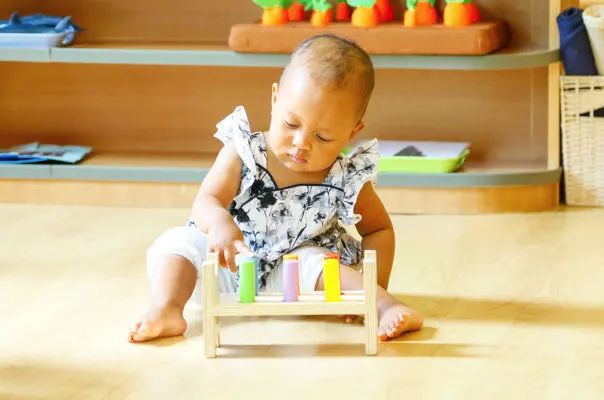
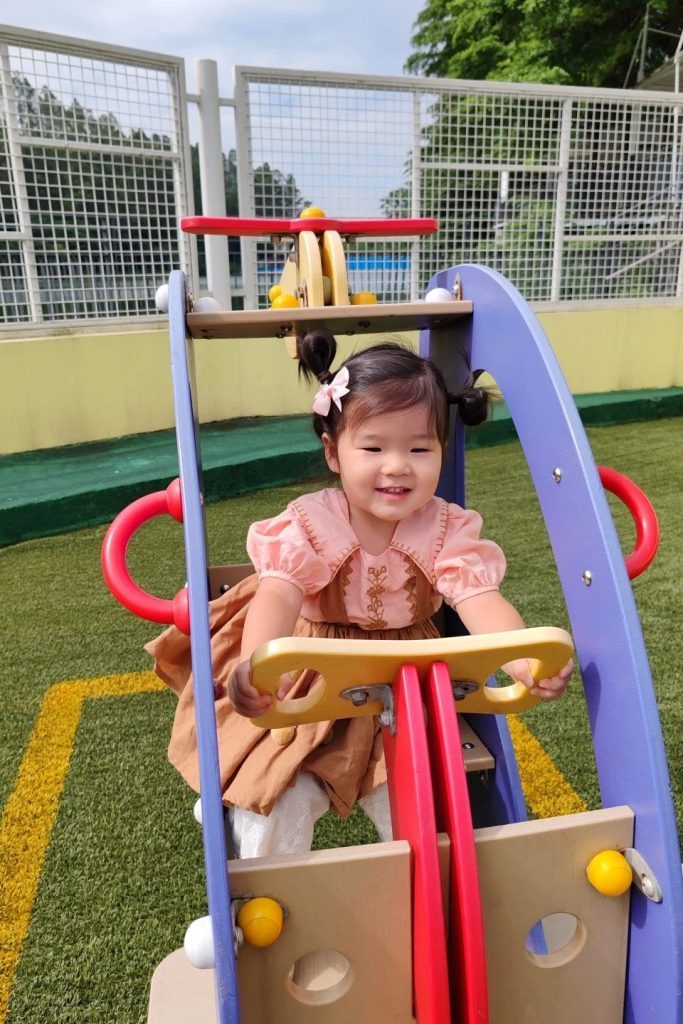
“NIDO” comes from the Italian word “nest”, which is a place that can provide warmth, love, cozy and safety for babies. UISG’s Nido class is suitable for infants and toddlers aged 6-18 months. All environments, activities and teachers are designed to support children’s independence, sensory, motor, language, cognitive and other development as early as possible. In addition, teachers will also provide parents with comprehensive parenting guidance to reduce parents’ confusion in raising children, and jointly support and meet their babies’ unlimited expectations.
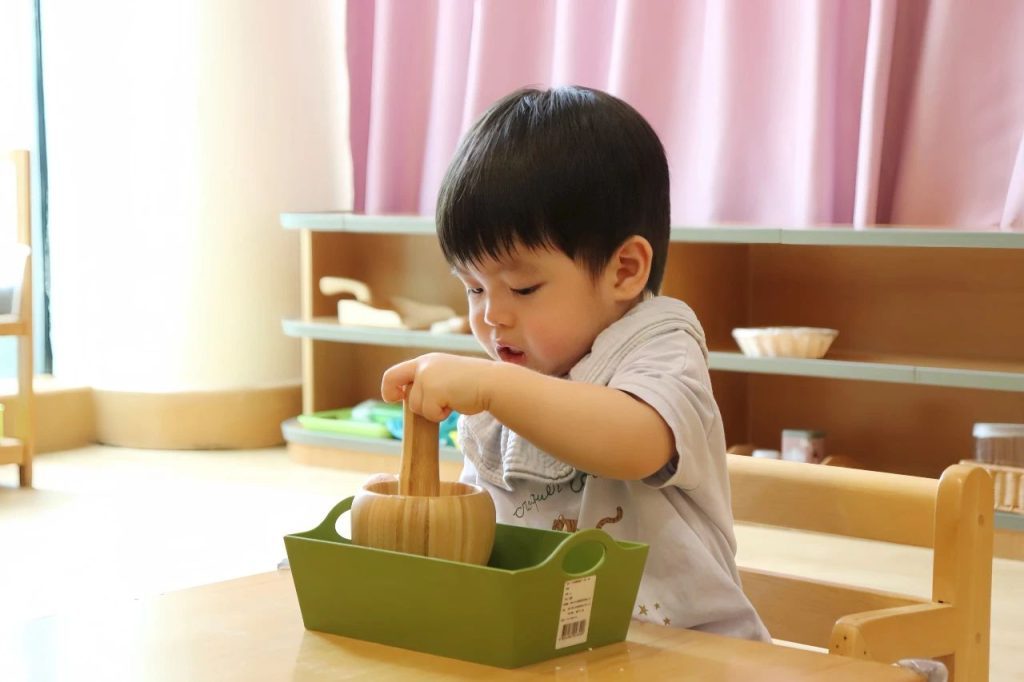
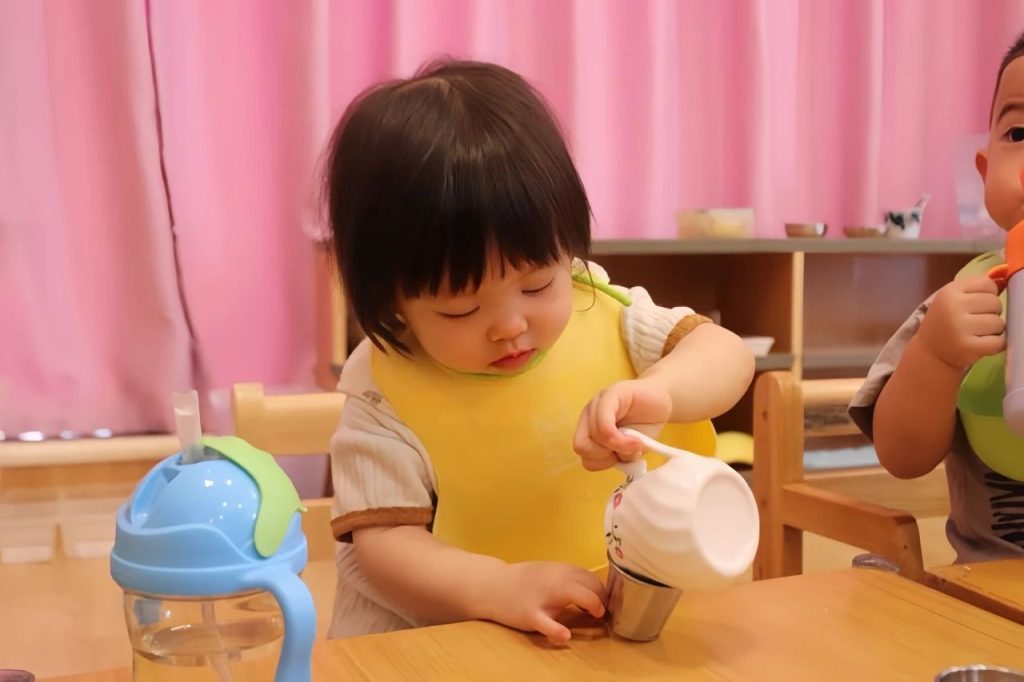
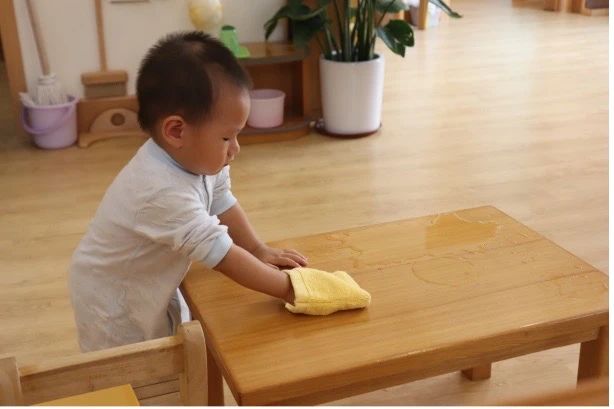
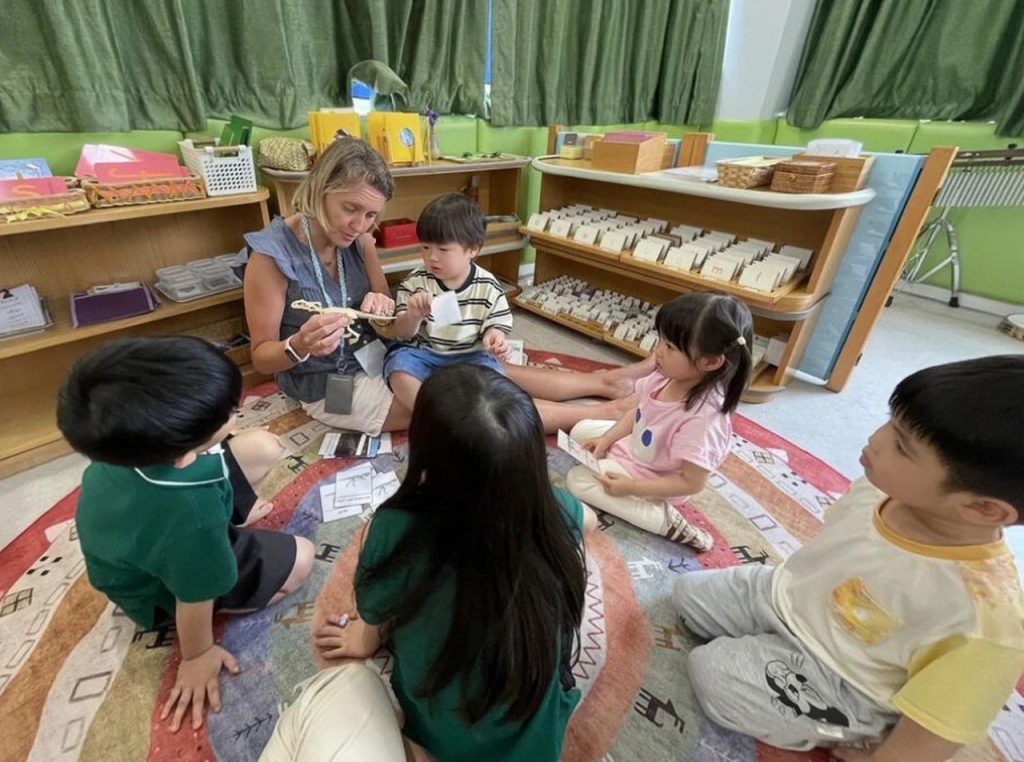
When children reach around 18 months, they enter an IC class or infant community, where children aged 18 to 36 months live and learn to further develop their motor coordination, language, social interaction and cognition. Additionally, through a prepared environment, children will have the opportunity to acquire lifelong skills for their lives: manual coordination, perseverance, concentration, good emotional regulation, self-confidence, enjoyment of independence and challenges, logical thinking of problem-solving skills, and lay the foundation for future life and academic learning.
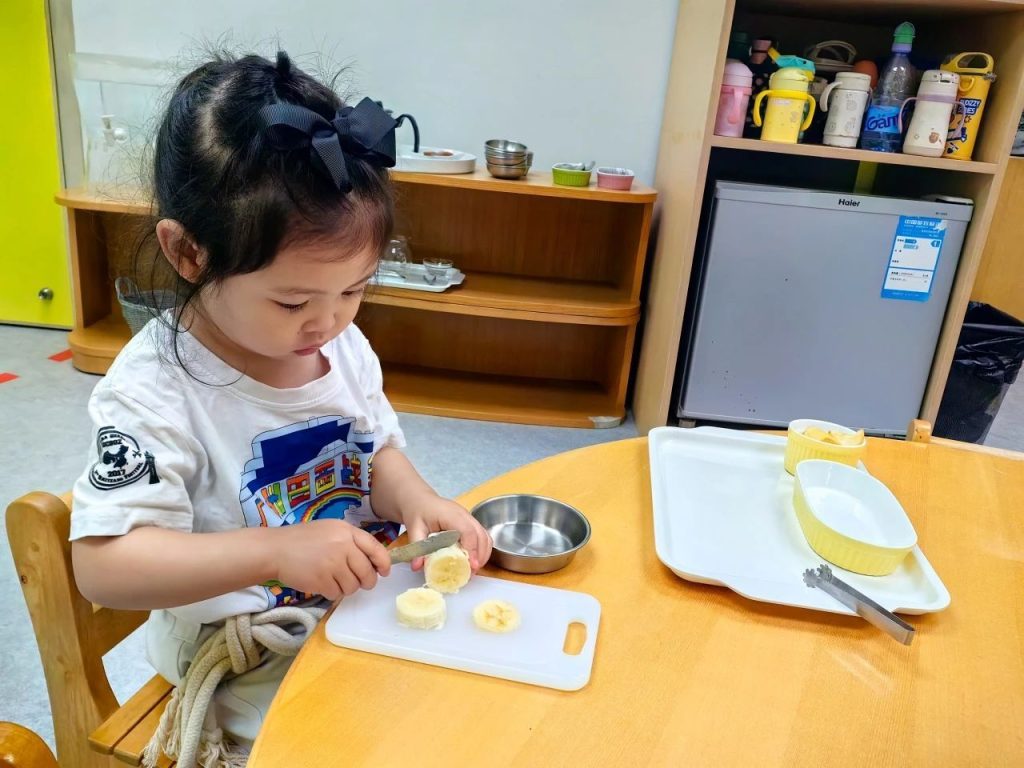
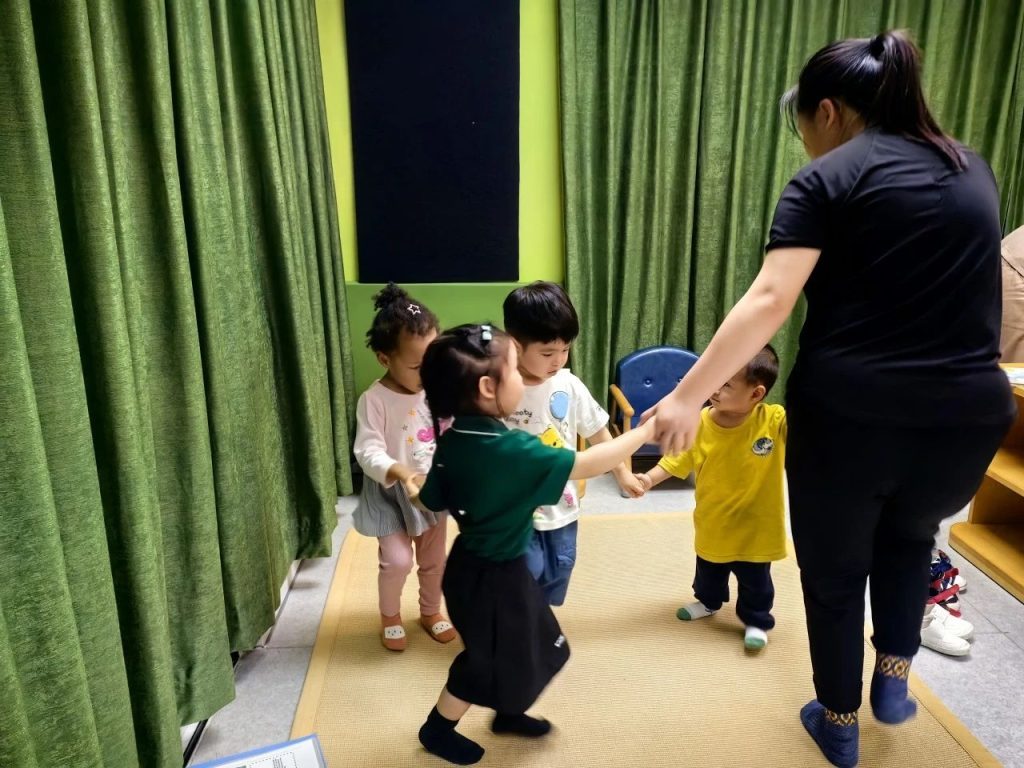
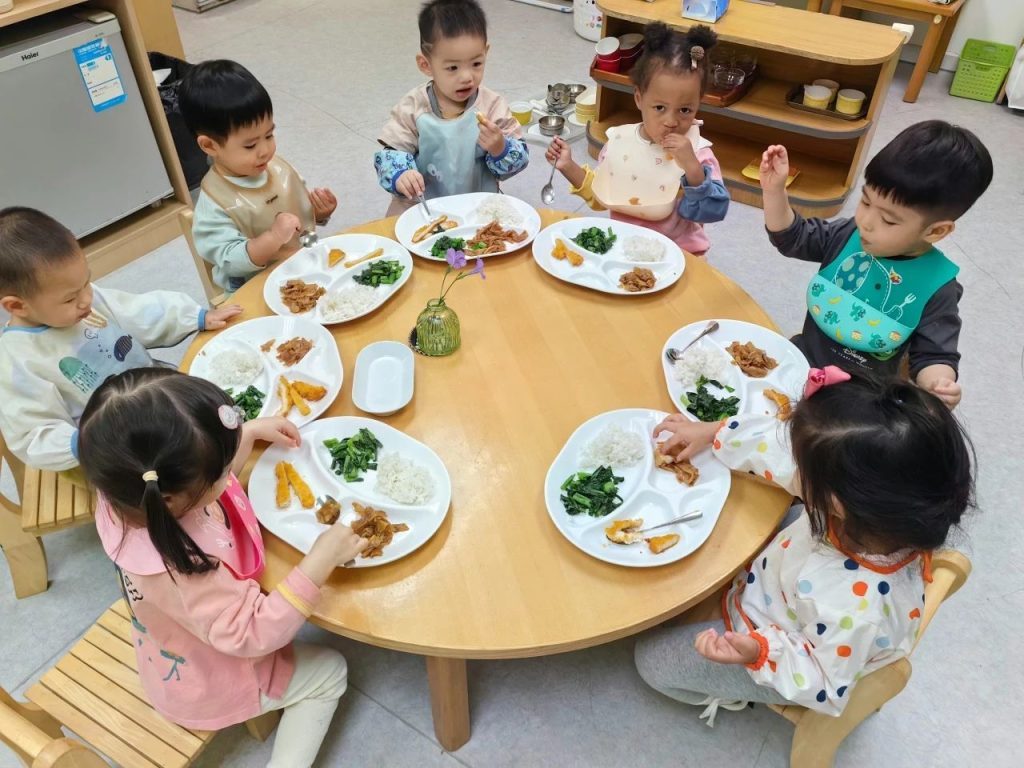
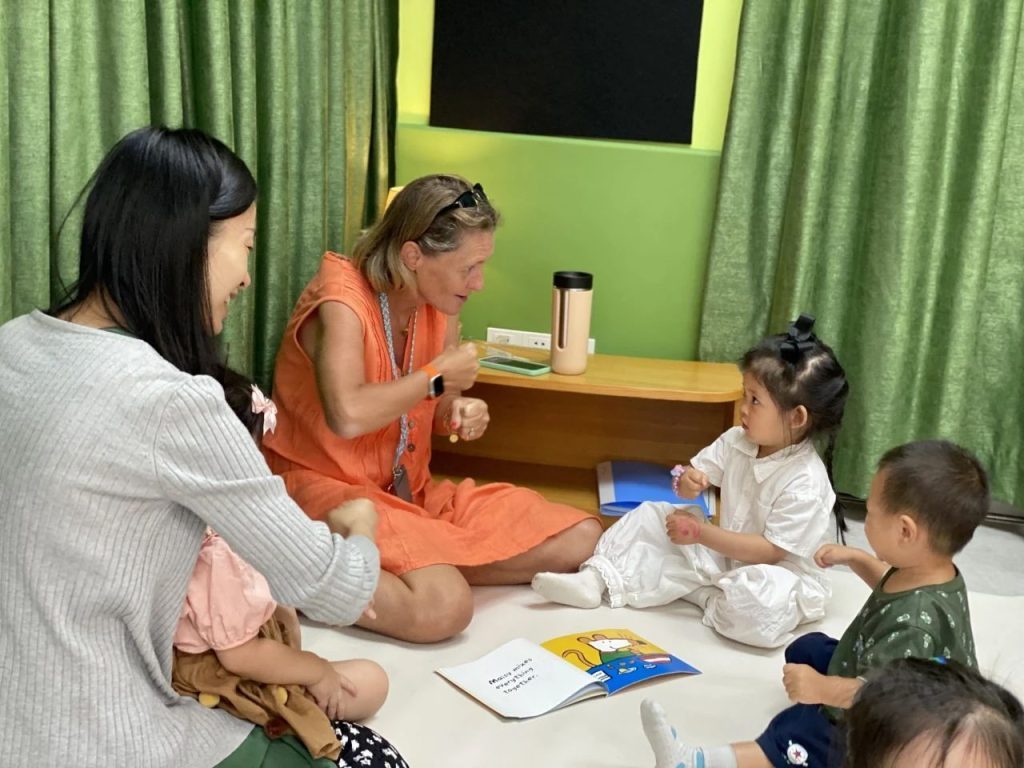
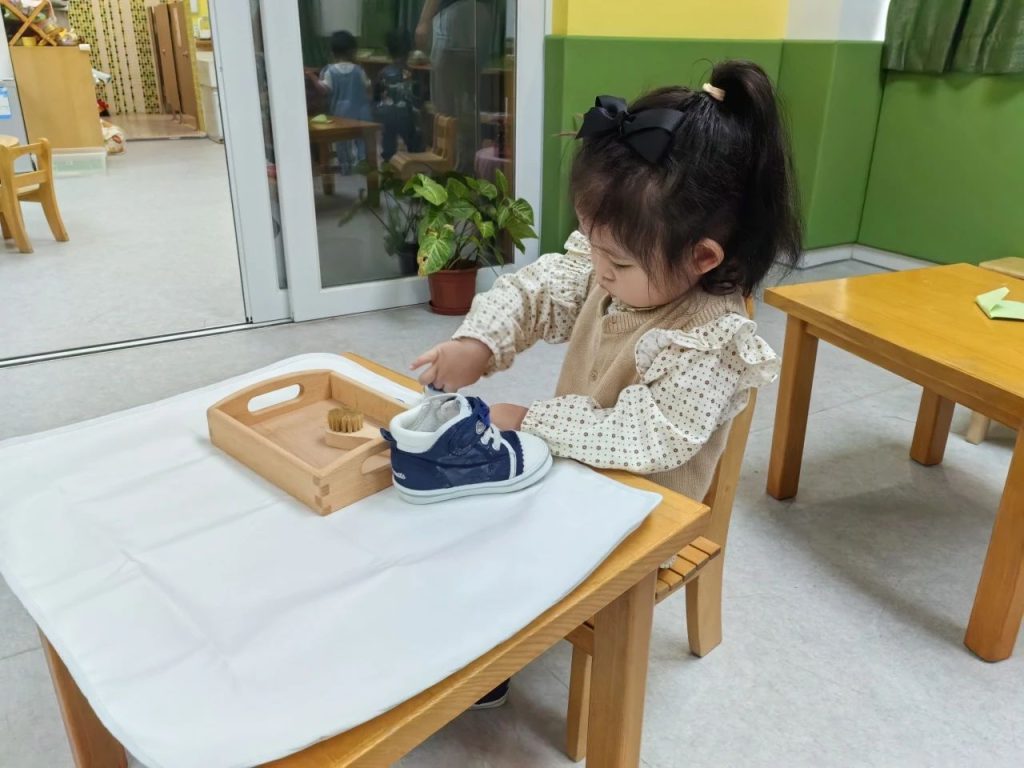
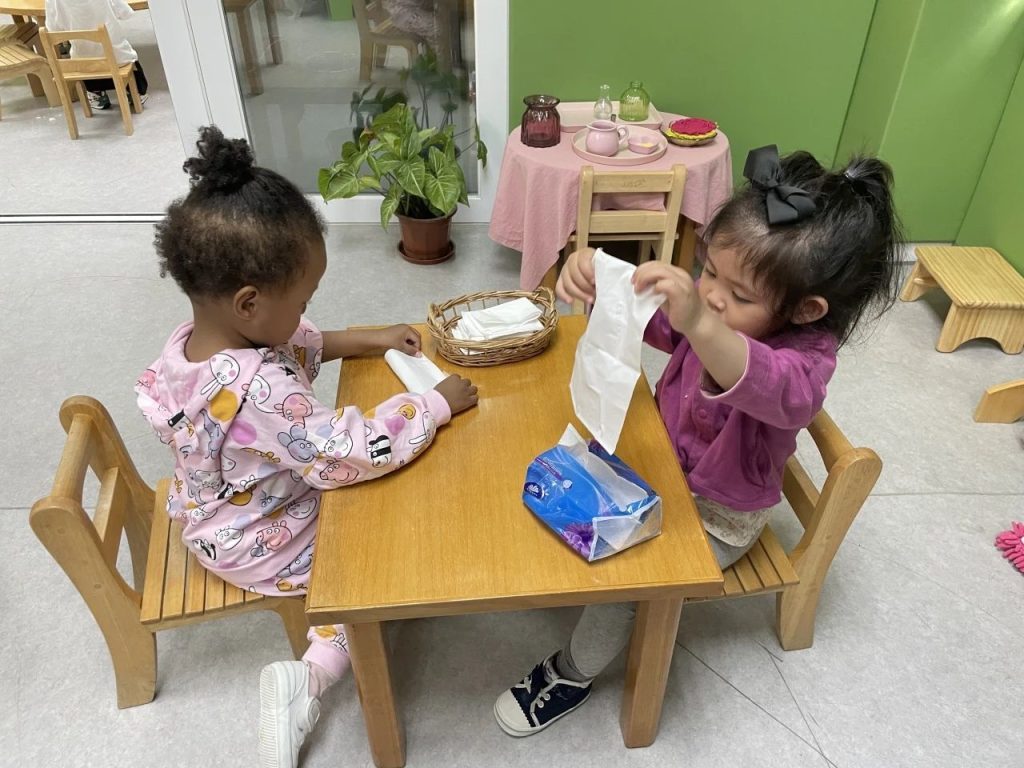
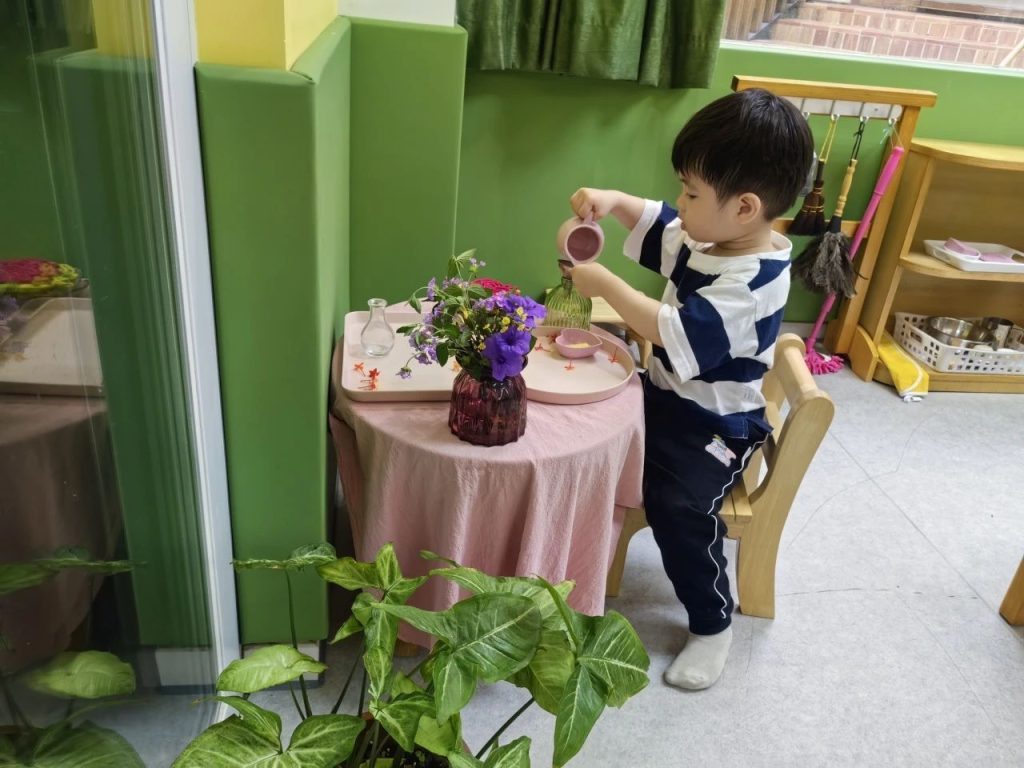
When the child approaches 3 years old, the teacher will also communicate with you in advance to determine whether the parents want the child to be promoted to a CASA class or a K1 class in the IB system, and make all contacts
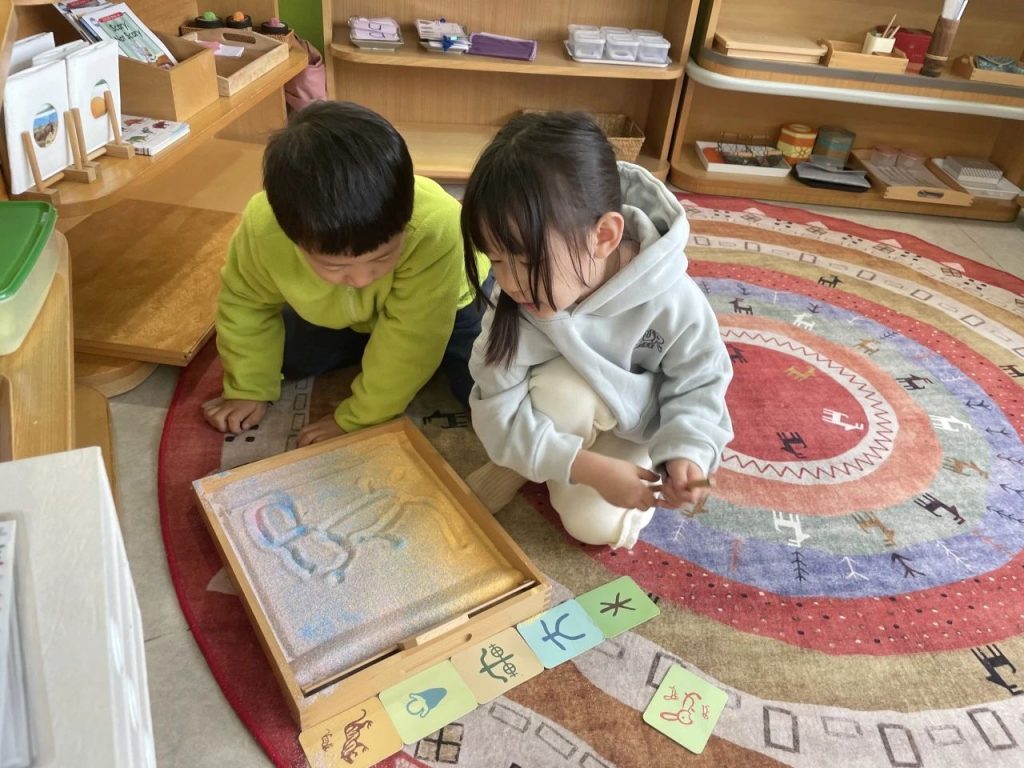
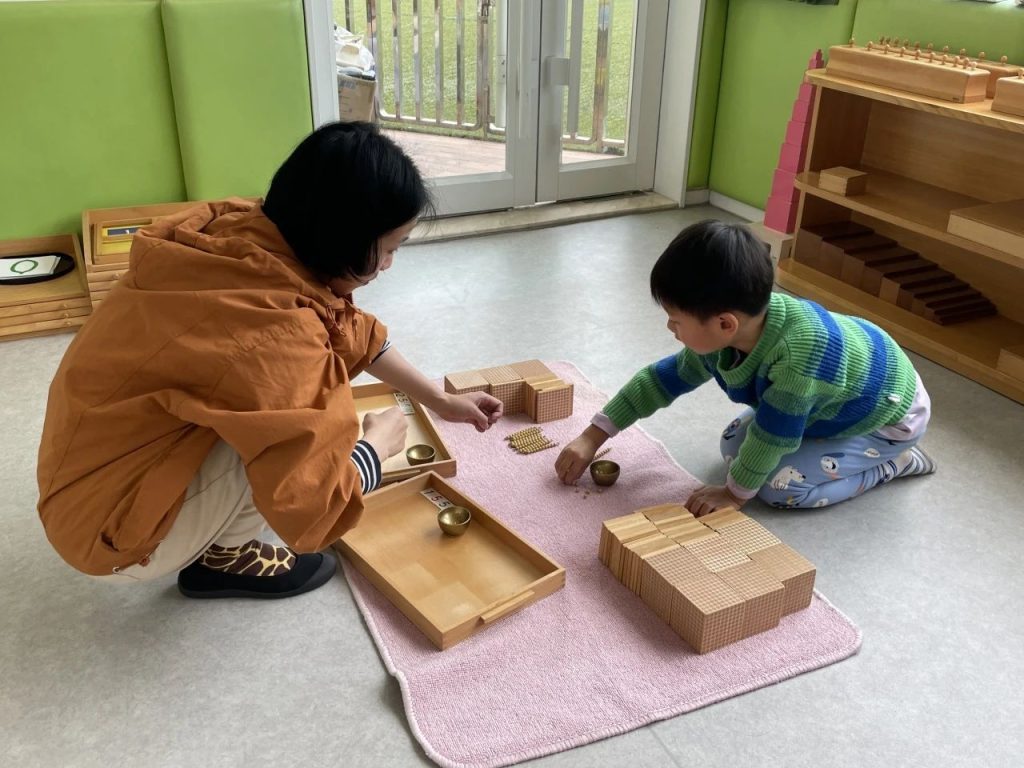
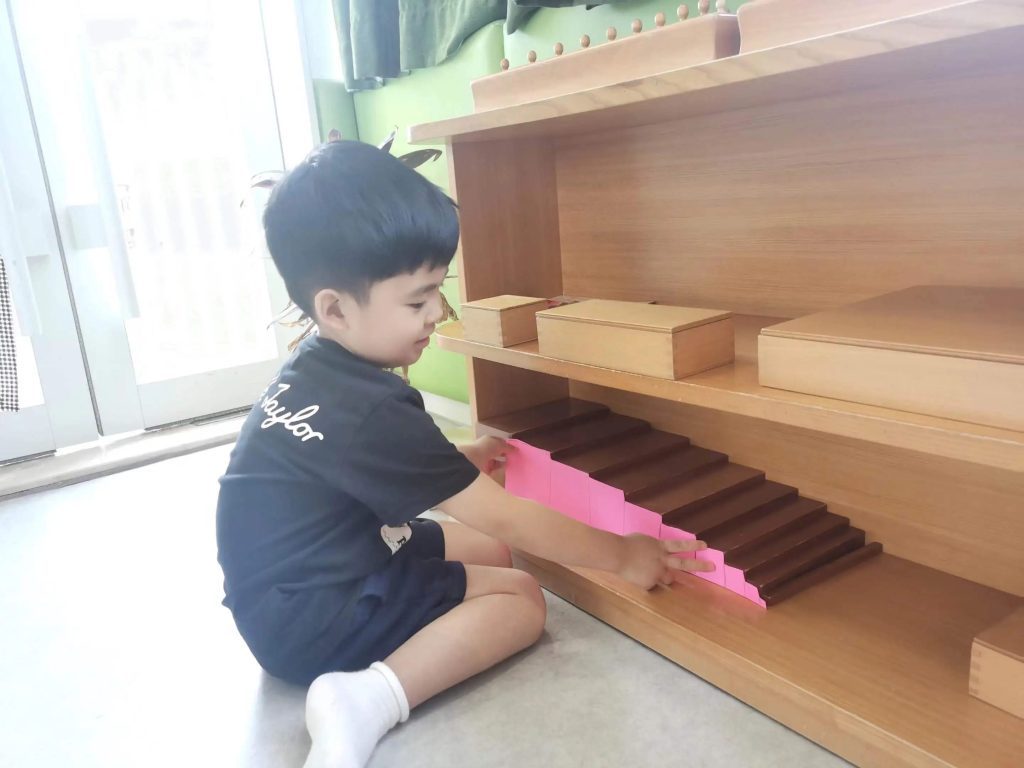
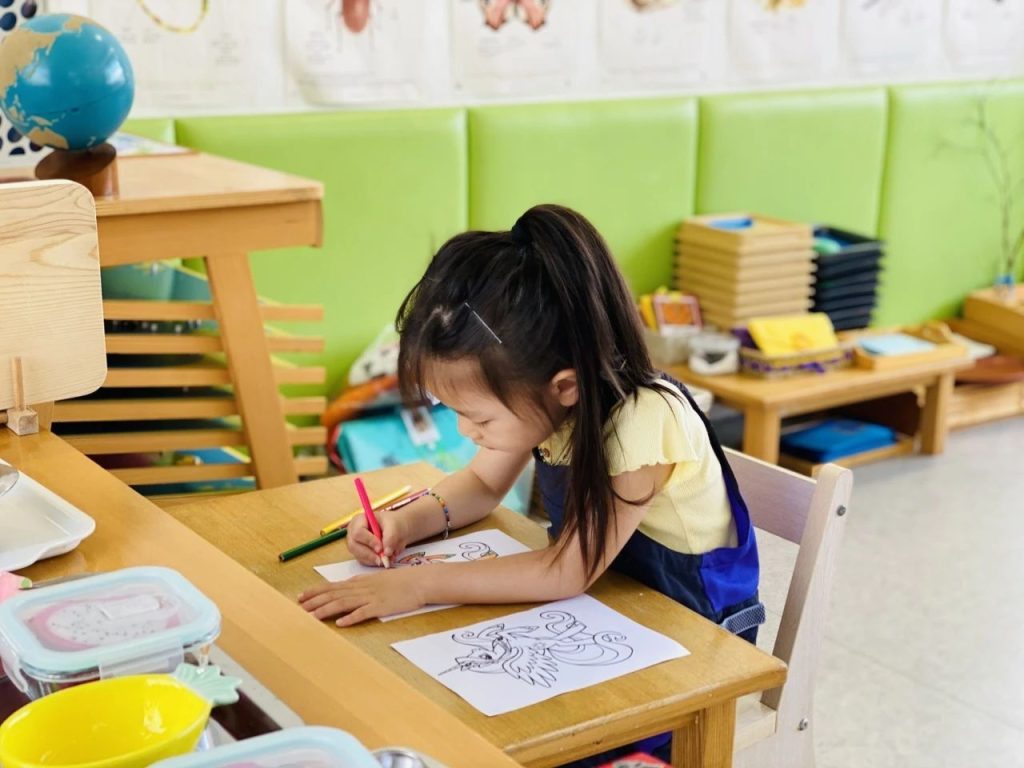
CASA is called Casa dei Bambini, which comes from Italian and means children’s house. The Montessori Casa classroom is organized into five main curriculum areas. These are Practical Life, Sensorial, Language, Math and Culture. When children enter the classroom, the first things they are exposed to are “Practical Life” activities. The Practical Life area supports children in developing concentration, sense of order, fine motor and motor coordination through activities that care for themselves, the environment, grace and courtesy, preparing them for writing. Next are sensory activities that help children develop, organize and refine sensory perceptions. The sensory area develops the five senses (visual, taste, smell, hearing and tactile) and supports children in ordering, classifying and describing sensory impressions related to sensory material, such as length, width, temperature, mass, color, pitch, etc. Finally, the teacher will introduce the concepts and academic learning activities to the children, namely the language area, mathematics area, and science and culture area. The language area provides opportunities to explore and expand your child’s spoken and written language. The math area provides materials that move children from the concrete to the abstract. Materials in the area of mathematics support the development of the following concepts: numeration, decimal system (place value), mathematical operations, linear counting, squaring and cubing, fractions, and time. Children learn about other peoples and cultures with respect and curiosity. Cultural materials and activities develop concepts in: geography, natural sciences, zoology, botany, history, art and music.
-End-
UNC arranges Open Nido and Open IC parent-child trial classes Saturday. If you want to learn more about the classes, please scan the QR code to add UNC’s exclusive WeChat customer service.
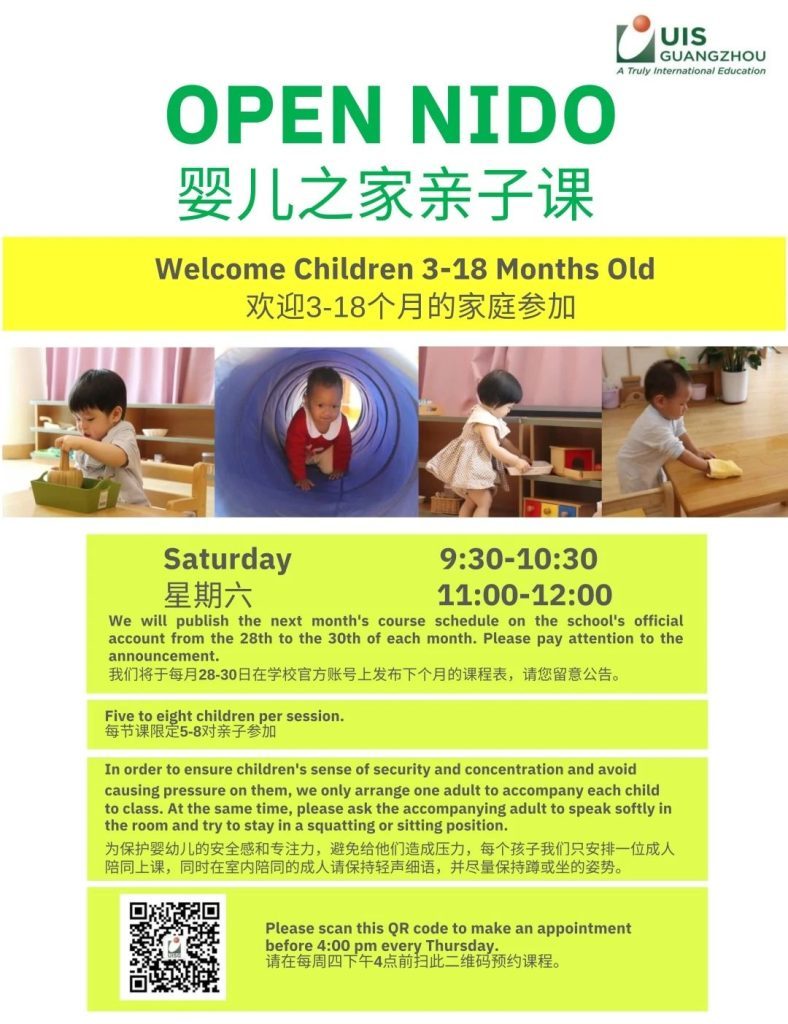
Scan for an appointment now!
 Japanese
 English
 Chinese
 Korean