


IB Learner Profile
UTAHLOY INTERNATIONAL SCHOOL GUANGZHOU
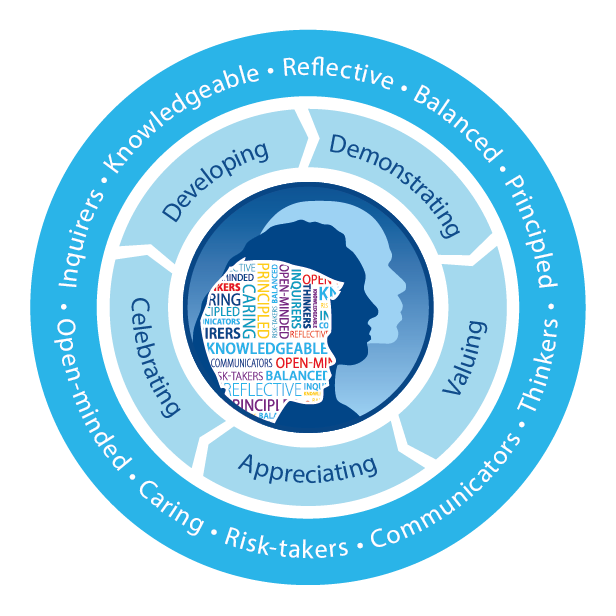
Summer mode is on! While students have stepped away from PYP inquiry units and MYP project assessments, IB learning never stops at the school gate. The IB Learner Profile isn’t just a school poster—it’s a roadmap for raising curious, principled, and thoughtful young people. And the best part? You don’t need to be an IB curriculum expert to nurture these traits at home.
This two-part series translates the IB Learner Profile into simple, meaningful, and highly actionable family activities for PYP and MYP families—who are in the critical window for habit formation—though DP parents may also find it useful as a “conversational partner.” No extra courses are needed, just a little more intentionality in daily life.
In this first installment, we explore the foundational traits that build character, intellect, and integrity. Let’s dive in.
01
– Inquirers –
/
Sustaining curiosity, mastering inquiry skills, and initiating learning proactively.
Try This at Home:
- Curiosity Mailbox: Prepare a small box where children drop question notes anytime (“Why is seawater salty?” “How do dinosaurs sleep?”). Each week, the family researches, experiments, or goes on field trips to find answers together. PYP families can align this with the Inquiry Cycle (Tuning in → Finding out → Sorting out).
- Travel Researcher: Before trips, have children research the destination’s history, climate, and culture. Upon arrival, they serve as the “family tour guide.” MYP students can apply ATL Research Skills for simple investigation reports.
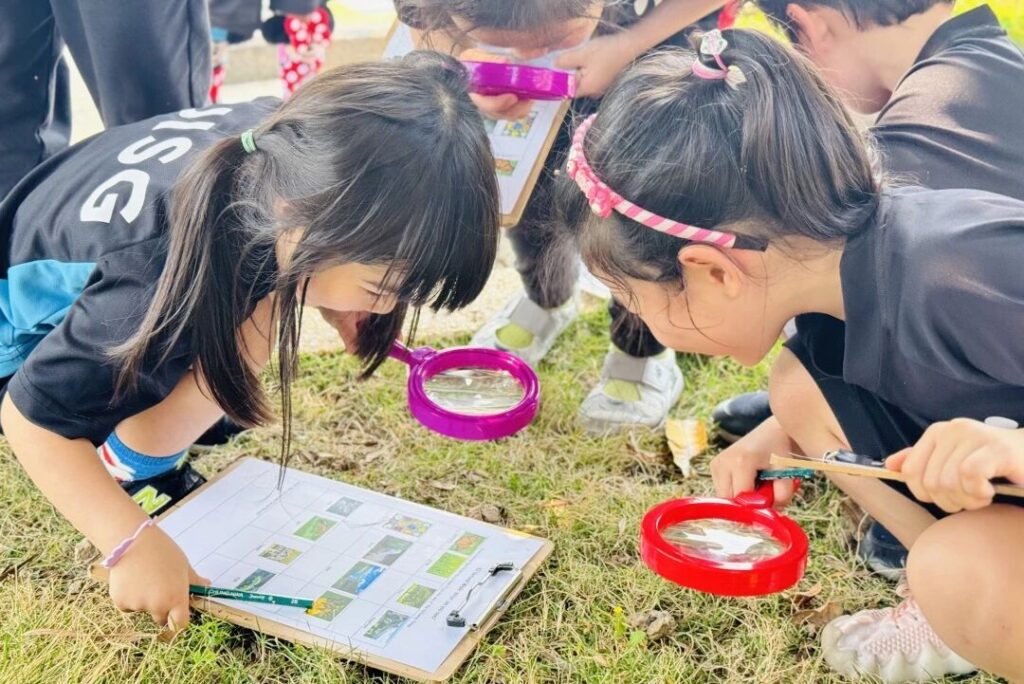

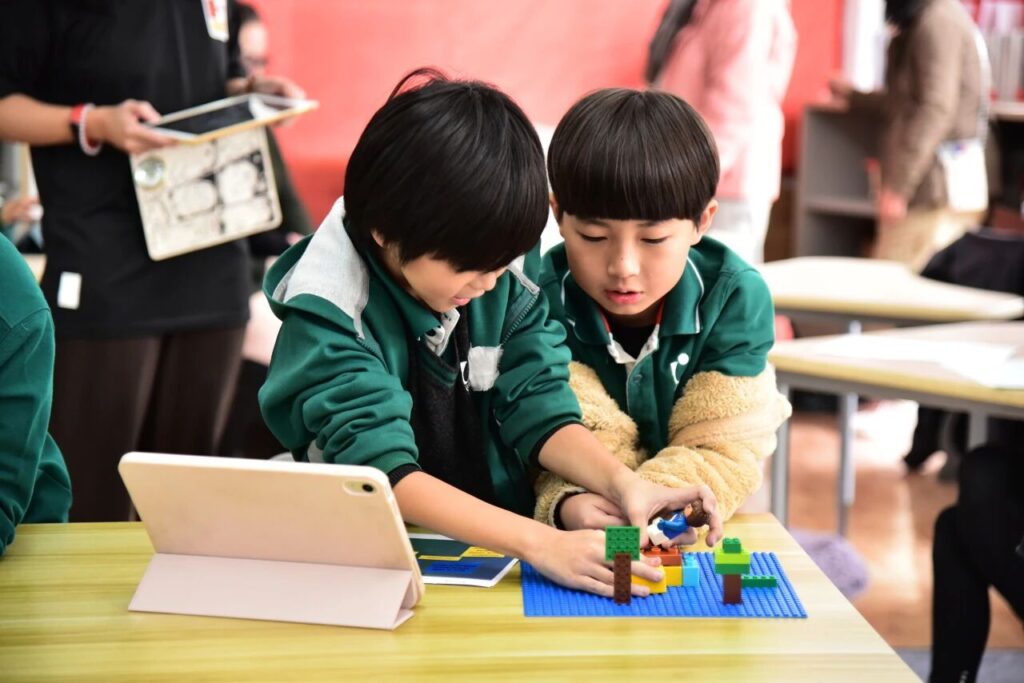
Parent Role: Not the answer provider, but an inquiry partner—”That’s an interesting question. Where should we start?”
02
– Knowledgeable –
/

Interdisciplinary understanding, connecting concepts with the real world.
Try This at Home:
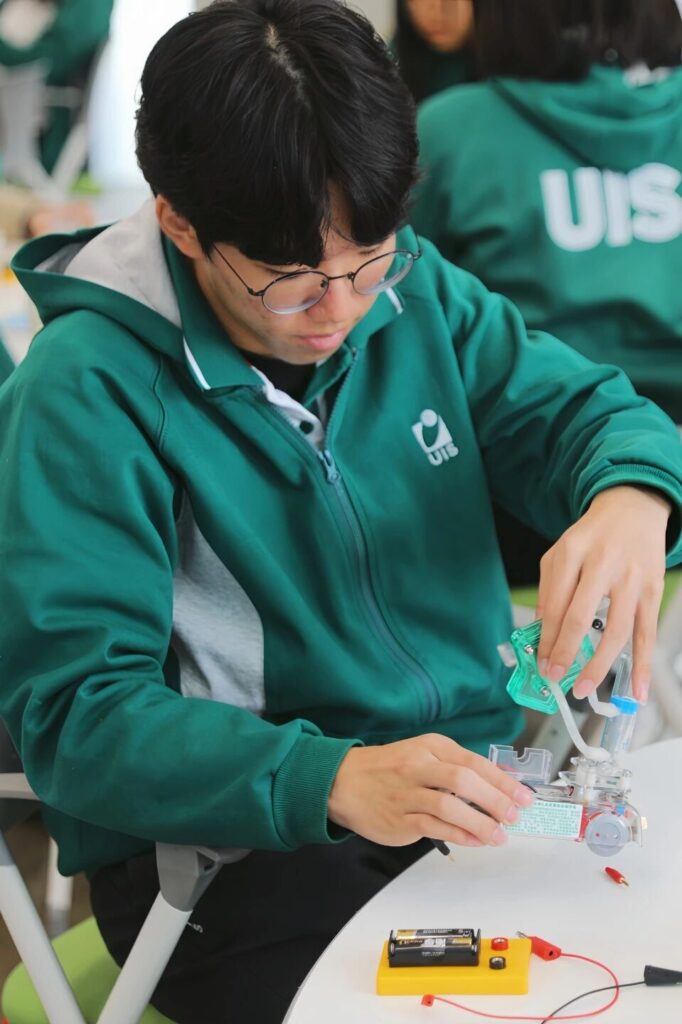
- Kitchen Lab: While baking, discuss chemical reactions (yeast fermentation, protein denaturation). When gardening, record growth cycles (biology), measure plant height (mathematics), and write planting journals (language)—this is the home version of PYP Transdisciplinary Themes.
- Movie Deconstruction: After watching a film, discuss its historical background, geographical setting, musical style, and value conflicts—cultivating MYP Global Contexts awareness.

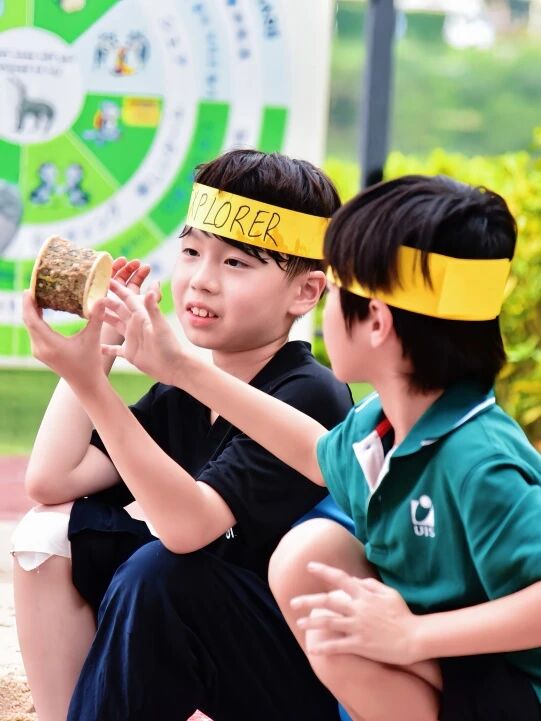
Key Reminder: Being knowledgeable isn’t “knowing a lot,” but “seeing connections.”
03
– Thinkers –
/
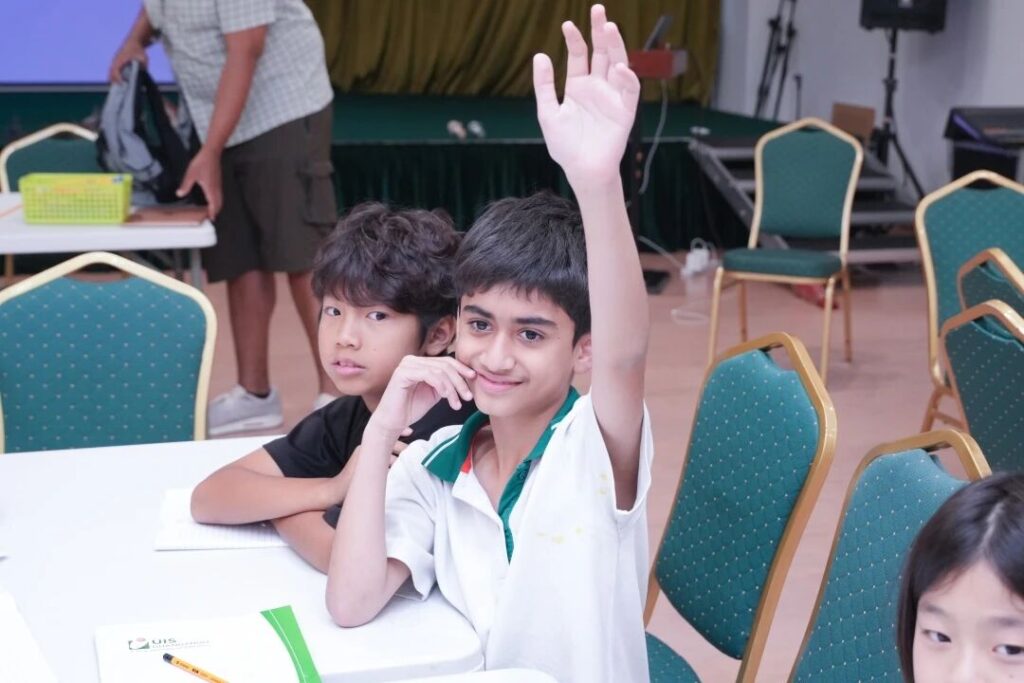
Critical thinking, creative thinking, and ethical decision-making.
Try This at Home:
- “What If…” Critical Thinking Game: What if humans had never invented electricity? What if animals could talk? What if schools abolished exams? Encourage children to explore consequences from multiple angles, training MYP Critical Thinking.
- Three-Step Problem Solving: When conflicts arise, ask first—”What solutions do you have? What are the pros and cons of each? What would the best option require sacrificing?” This is daily training for ATL Thinking Skills.
Parent Phrase: Replace “How could you do this again?” with “What were you thinking at that moment?”


04
– Communicators –
/
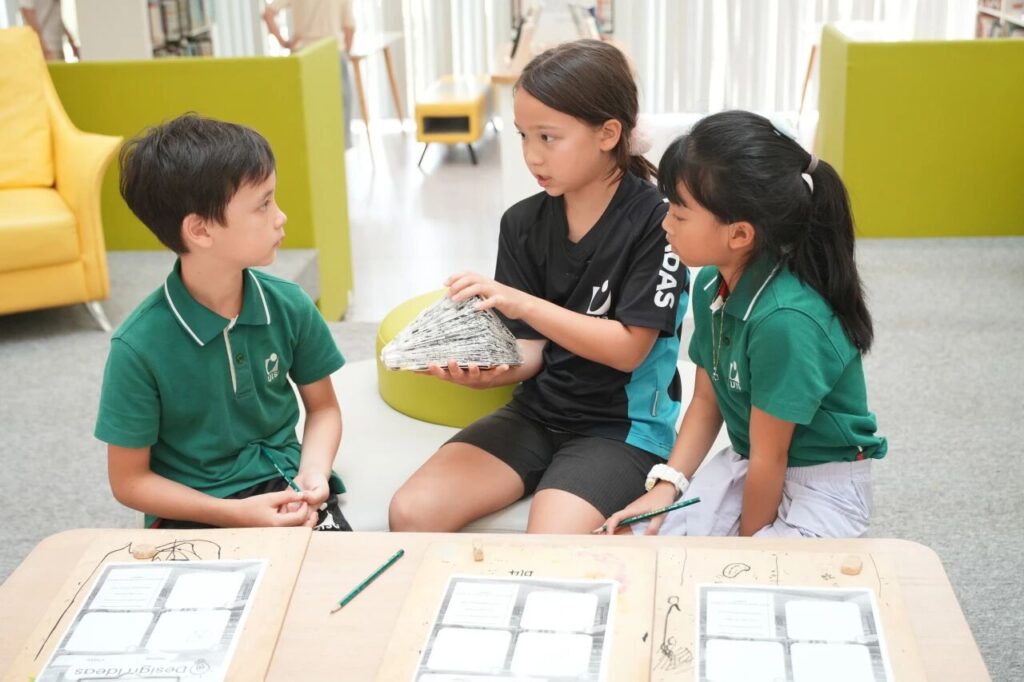
Confident expression in multiple languages, active listening, and cross-cultural understanding.
Try This at Home:
- Phone-Free Dinner: Set 30 minutes where each person shares the most interesting or confusing thing from their day. Parents model active listening—eye contact, no interruption, paraphrase confirmation (“So what you mean is… right?”).
- Multiple Expression Choices: Encourage children to document summer through drawing, short videos, journals, or podcasts, then “report” to grandparents or friends.
IB Essence: Communication isn’t just “speaking well,” but “truly understanding.”
05
– Principled –
/
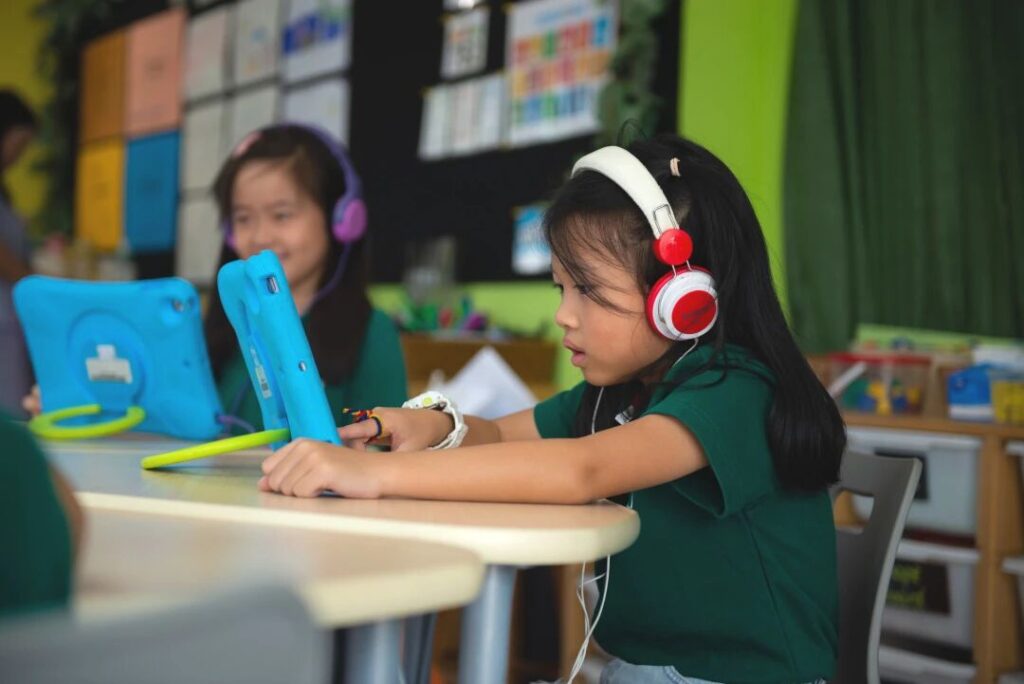
Integrity, respect for rules, and personal and academic honesty.
Try This at Home:
- Co-create a Summer Convention: Screen time, routines, and chore division—discussed and signed by the whole family, then posted. When violated, focus not on punishment but on “how to make it right”—fostering responsibility, not fear. This embodies IB Positive Behavior Management.
- Academic Integrity Mini-Lesson: MYP families can discuss “why copying homework is wrong”—not because “you’ll get caught,” but because “you’re robbing yourself of growth,” building internal recognition of Academic Honesty.
– Looking Ahead –
/
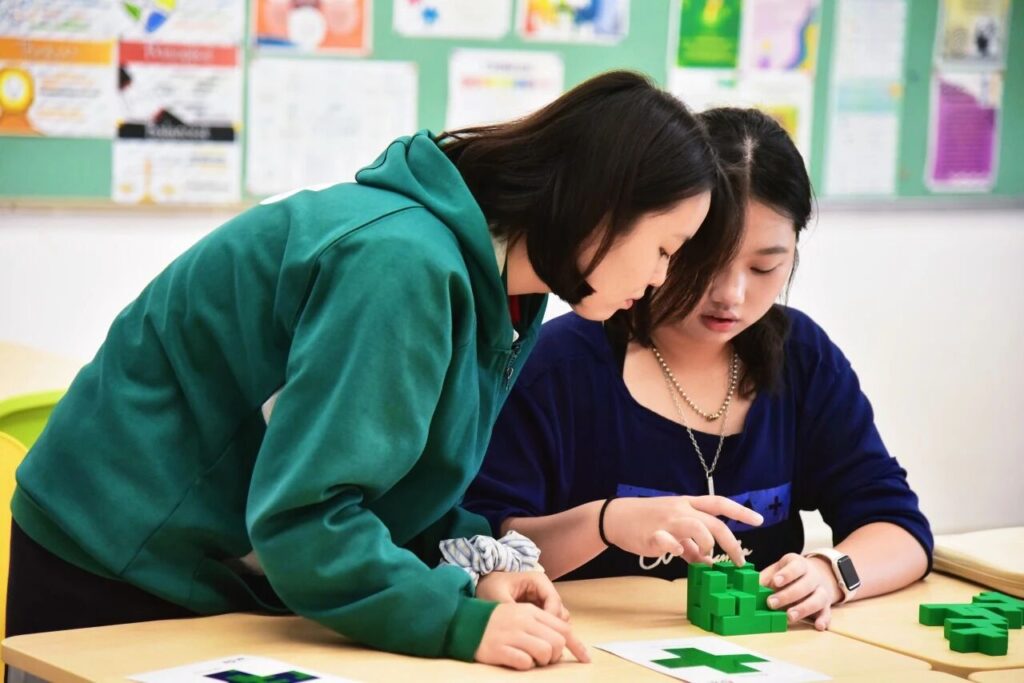
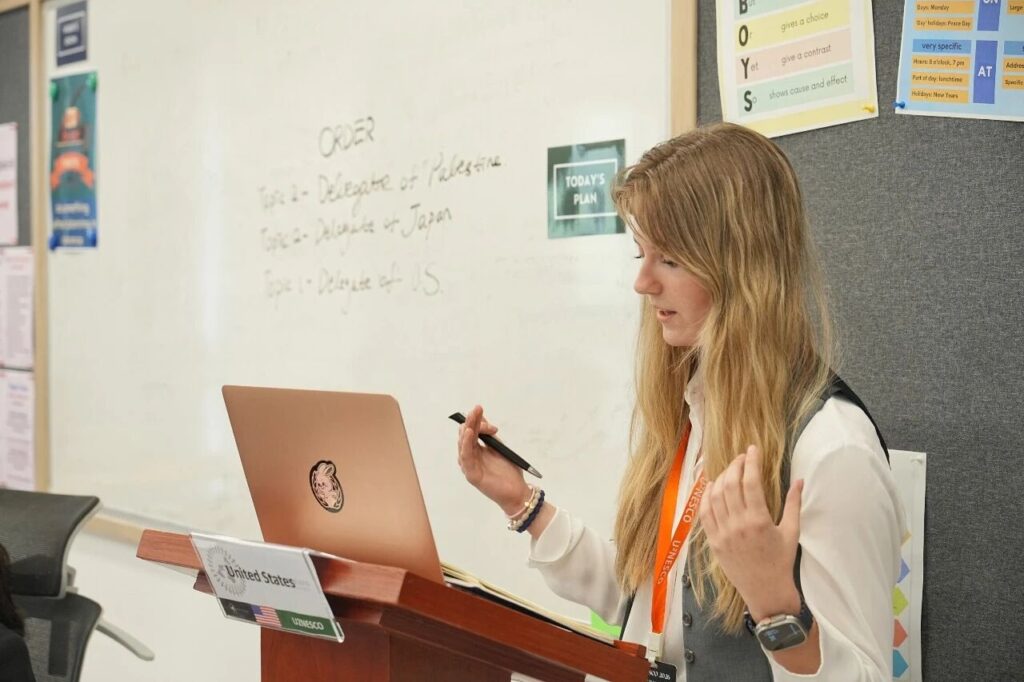
These first five traits—Inquirers, Knowledgeable, Thinkers, Communicators, and Principled—form the intellectual and moral backbone of the IB Learner Profile. They shape how your child learns and who they become.
But the IB journey doesn’t stop at personal excellence. True growth also requires reaching outward and looking inward. Next week, in Part 2, we’ll explore the remaining five traits: Open-minded, Caring, Risk-takers, Balanced, and Reflective. These are the qualities that transform good students into compassionate global citizens.
Stay tuned for Part 2—coming next week!
/ END /


 English
 Chinese
 Korean
 Japanese