


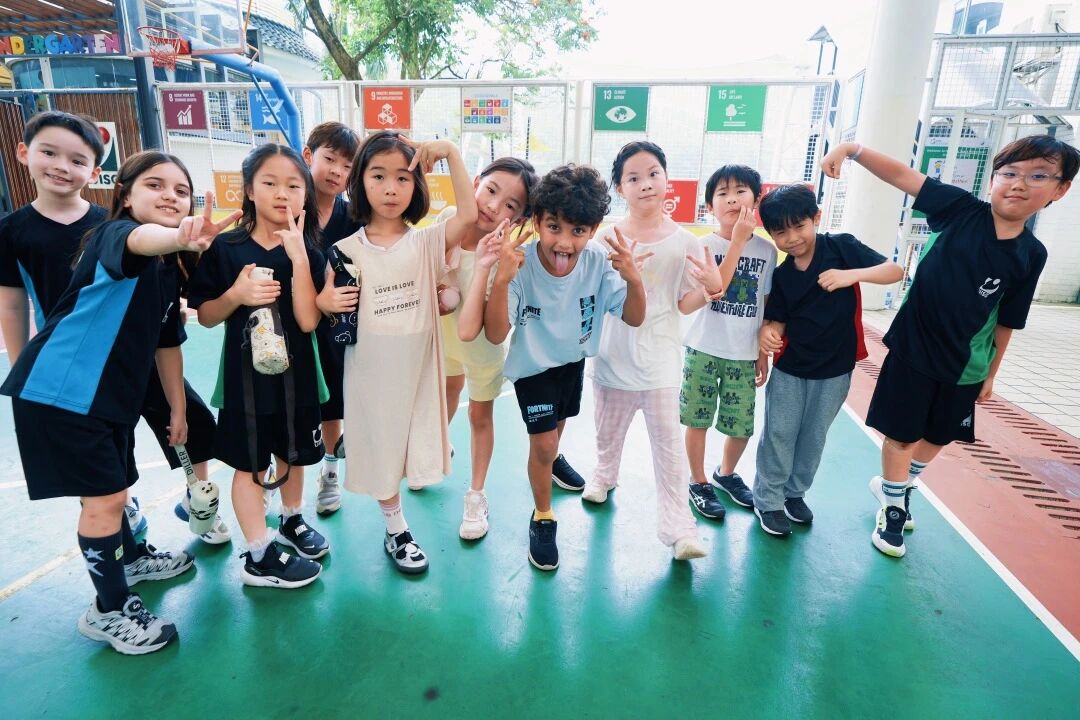
IB Learner Profile
UTAHLOY INTERNATIONAL SCHOOL GUANGZHOU
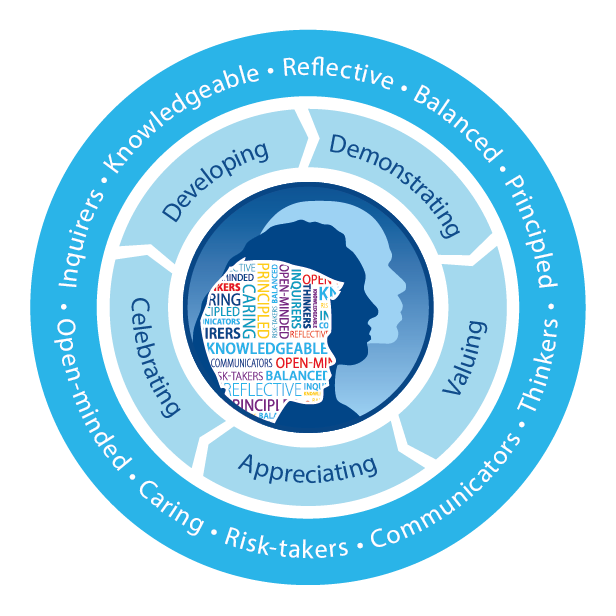
Welcome back! In Part 1, we explored the foundational traits that build intellectual curiosity, critical thinking, and personal integrity—the cornerstones of academic success. This week, we turn our attention to the traits that shape your child’s character in relation to others and to themselves.
While the first five traits focus largely on what your child learns and how they think, these final five—Open-minded, Caring, Risk-takers, Balanced, and Reflective—address who they are in the world. They cultivate empathy, courage, well-being, and self-awareness. These are the qualities that make IB learners not just successful students, but thoughtful human beings.
Let’s continue the journey.
06
– Open-minded –
/
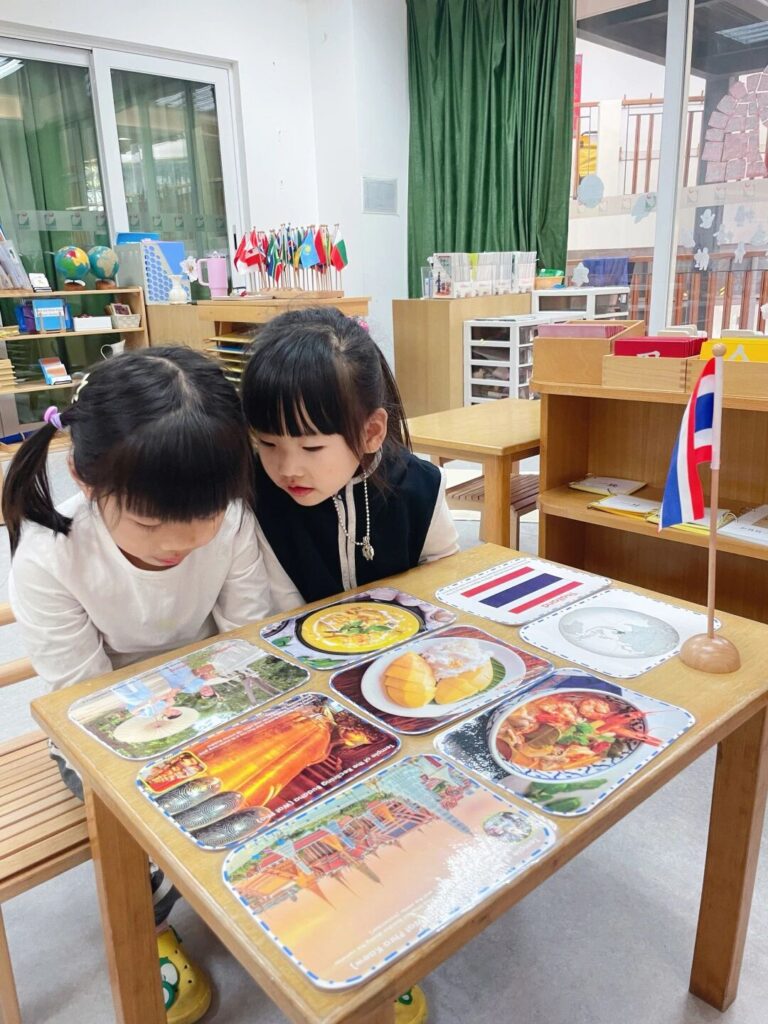
Appreciating diverse cultures, critically examining one’s own perspectives, respecting different viewpoints.
Try This at Home:
- World Table Project: Try one international dish monthly, exploring its cultural story. PYP families can connect this to “Where We Are in Place and Time.”
- News from Both Sides: When discussing current events, deliberately ask: “How would the other side think about this? What’s their evidence?” Cultivating MYP Fairness and Development awareness.
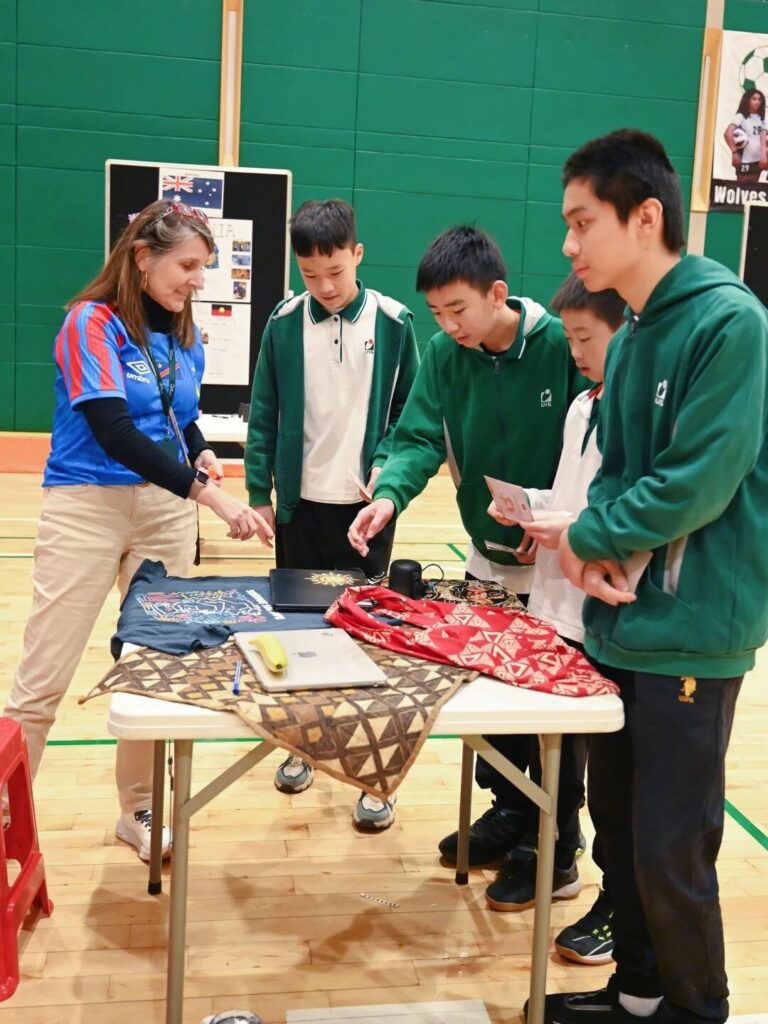
Core Goal: Shift from “I’m right” to “I understand why you think that way.”
07
– Caring –
/
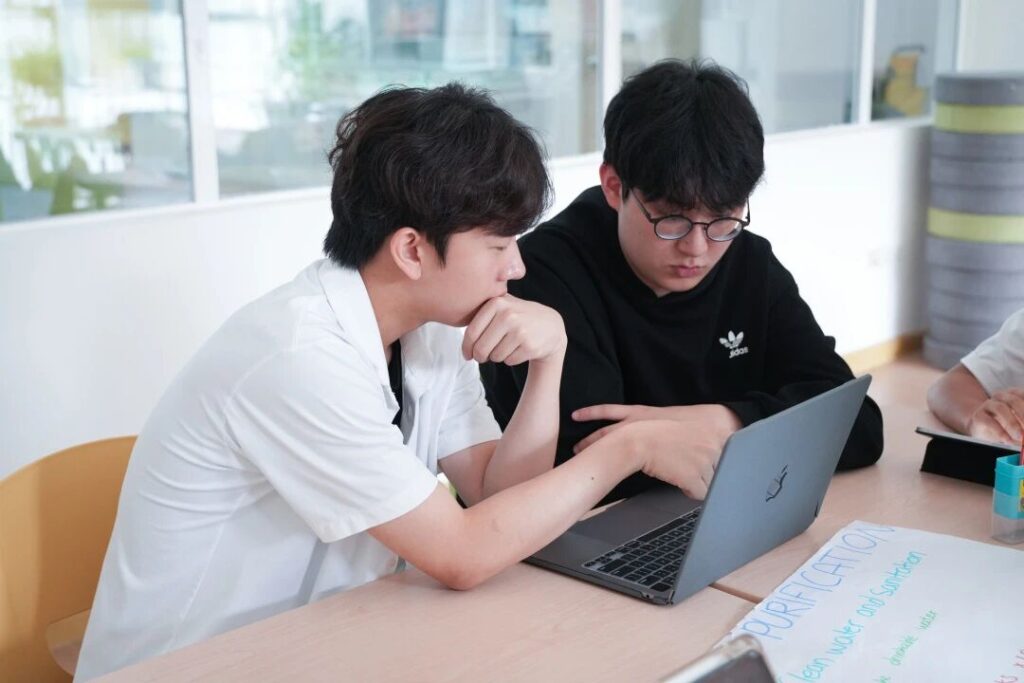
Empathy, Service as Action, and community care.
Try This at Home:
- Kindness Journal: Before bed, record “Who did I show kindness to today?” or “Who helped me?” Developing PYP Sharing the Planet empathy.
- Community Service Experience: Participate in volunteer work (animal shelter, library organization, community environmental projects). MYP students can incorporate this into Service as Action reflection records, building material for their Community Project.
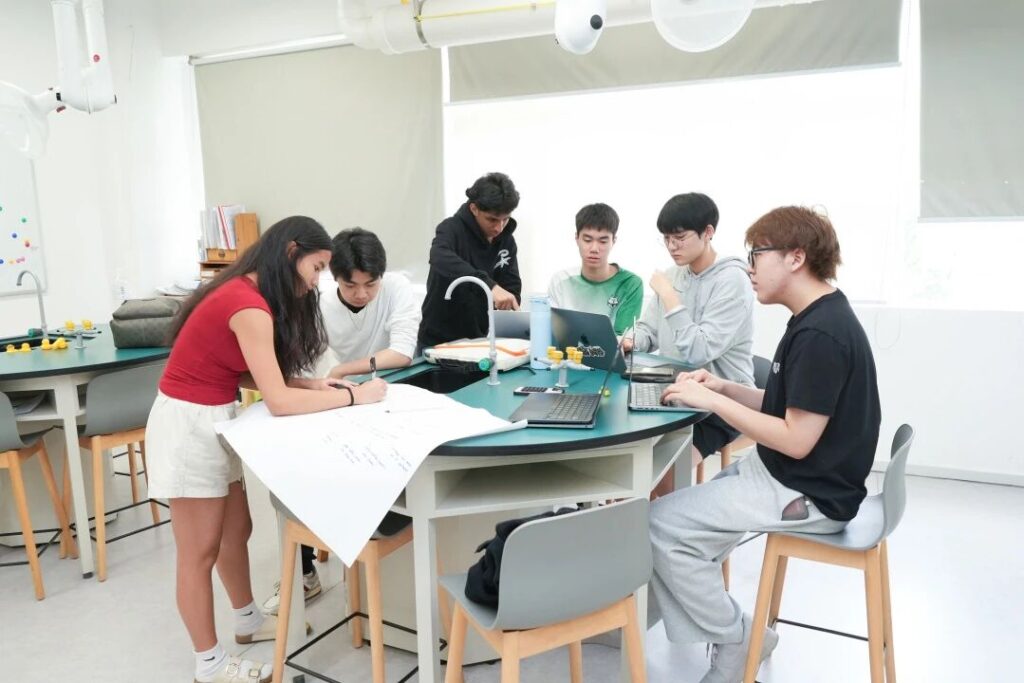
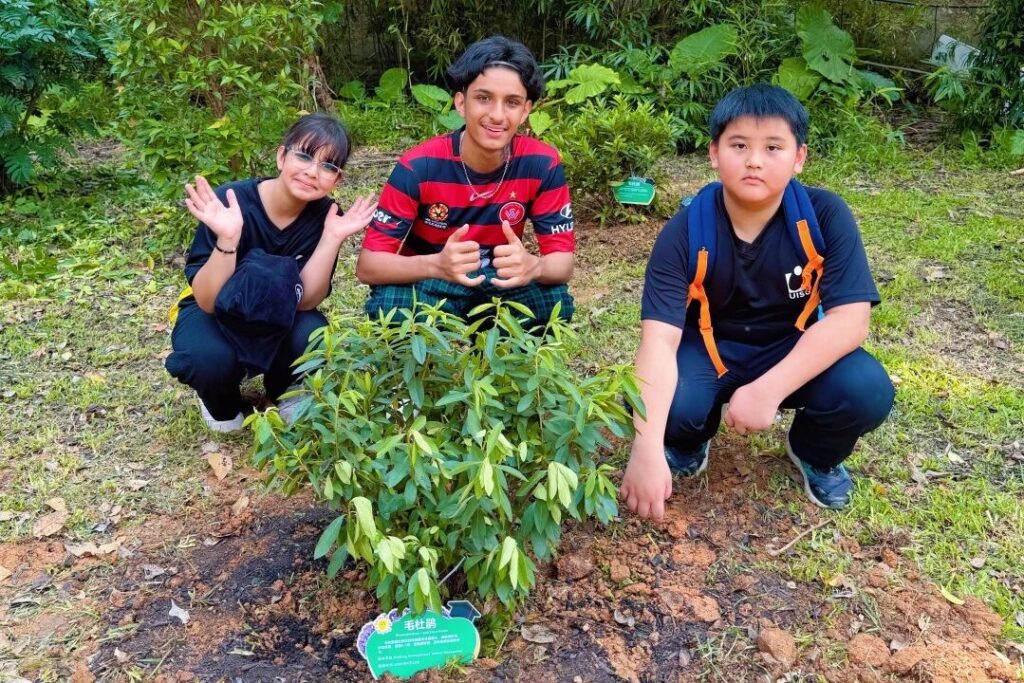

IB Philosophy: Caring isn’t a “feeling,” but action.
08
– Risk-takers –
/
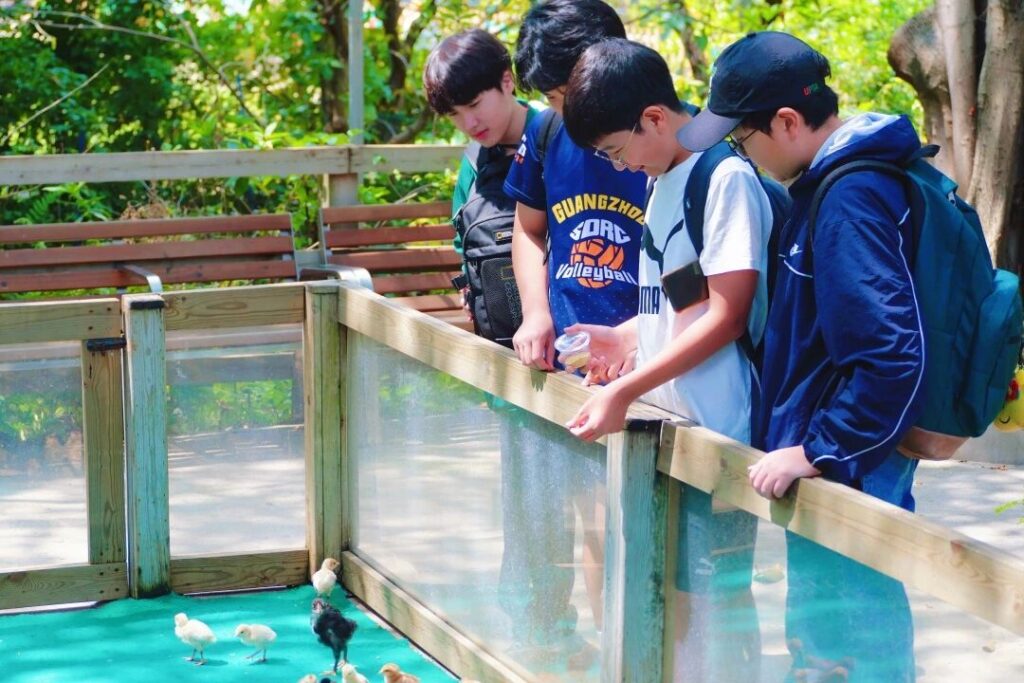
Courage to try new things, face uncertainty, and recover from failure.
Try This at Home:
- First-Time Challenge List: Encourage children to try a sport, art form, or social activity they’ve never attempted. Emphasize process over outcome—”What new thing did you try today?”
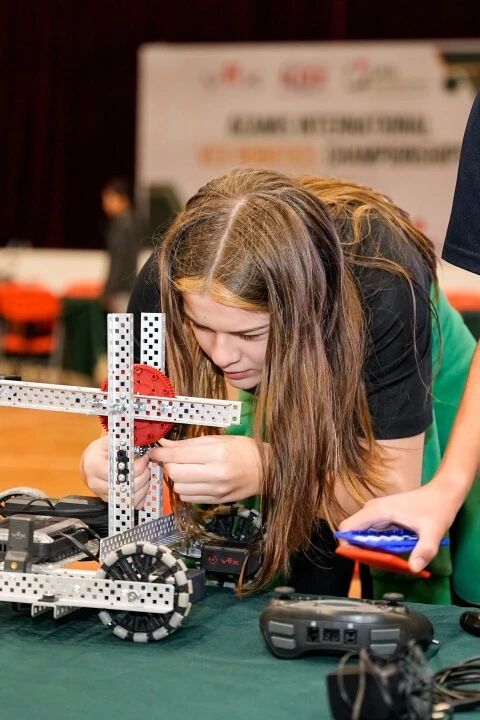
- Failure Reframing Practice: When children are frustrated, you say first: “Tell me, what did you learn from this?” Transform “I failed” into “I discovered one way that doesn’t work.” This is early preparation for DP core course TOK’s “limitations of knowledge.”
Key Mindset: Risk-taking isn’t recklessness, but “prepared attempts.”

09
– Balanced –
/
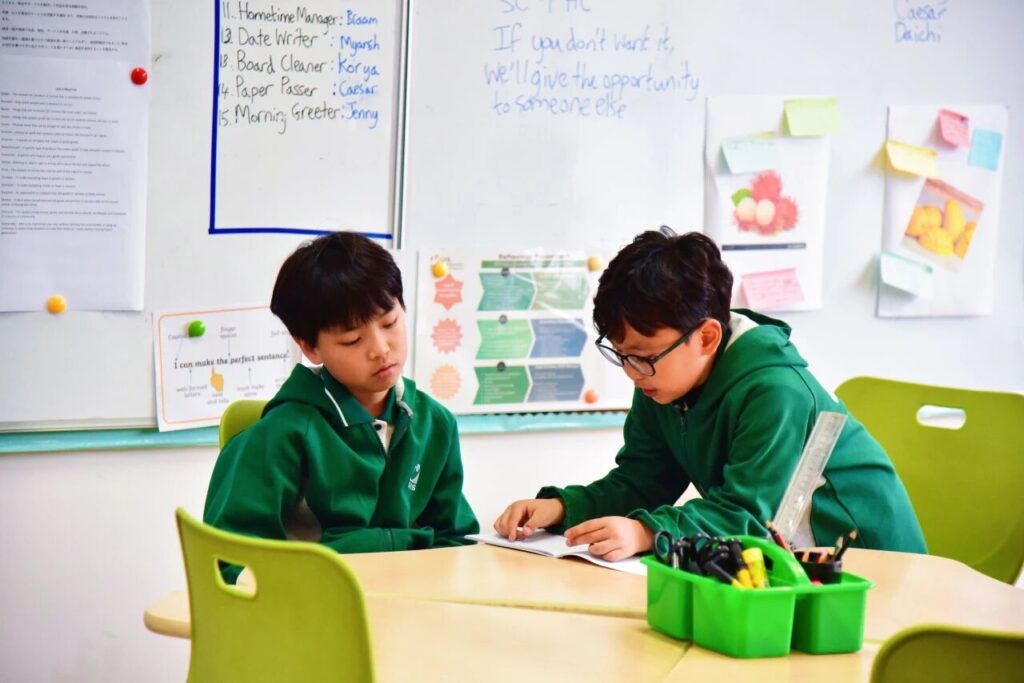
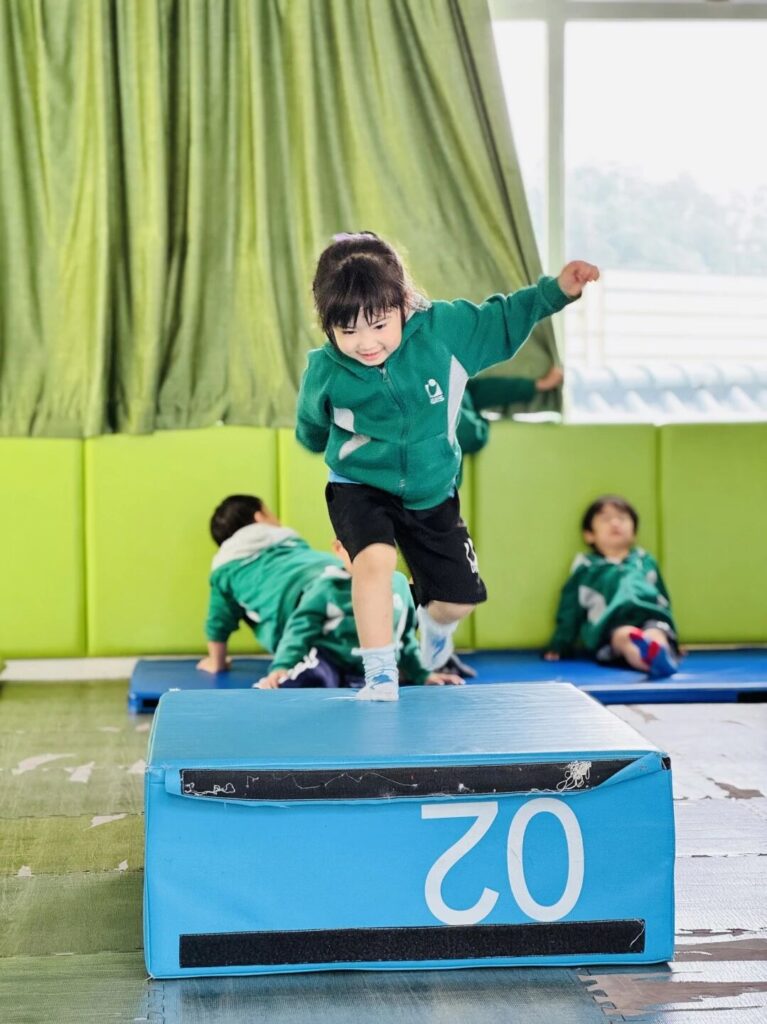
Intellectual, physical, and emotional coordination; understanding the diversity of intelligence.
Try This at Home:
- Summer Balance Wheel: Five dimensions—learning, exercise, social, arts, rest. Have children self-rate 1-10 weekly, visualizing and adjusting. MYP students can connect this to ATL Self-management Skills.
- Protect Boredom Time: Leave unstructured time daily. Neuroscience proves boredom is the soil of creativity—this is the scientific basis for IB’s opposition to over-scheduling and advocacy of Holistic Development.
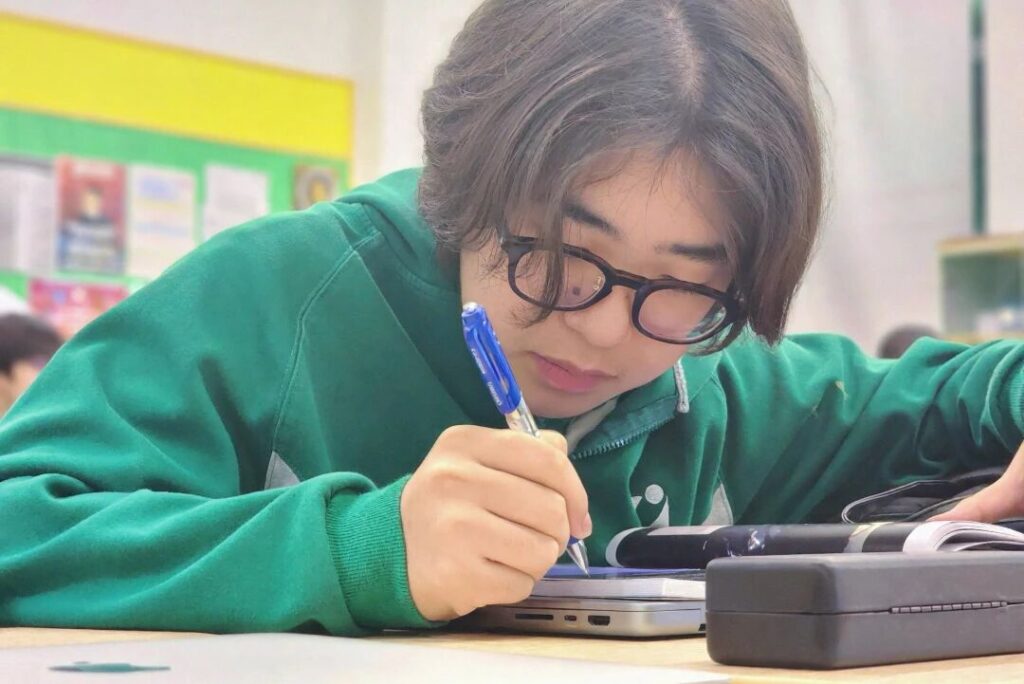
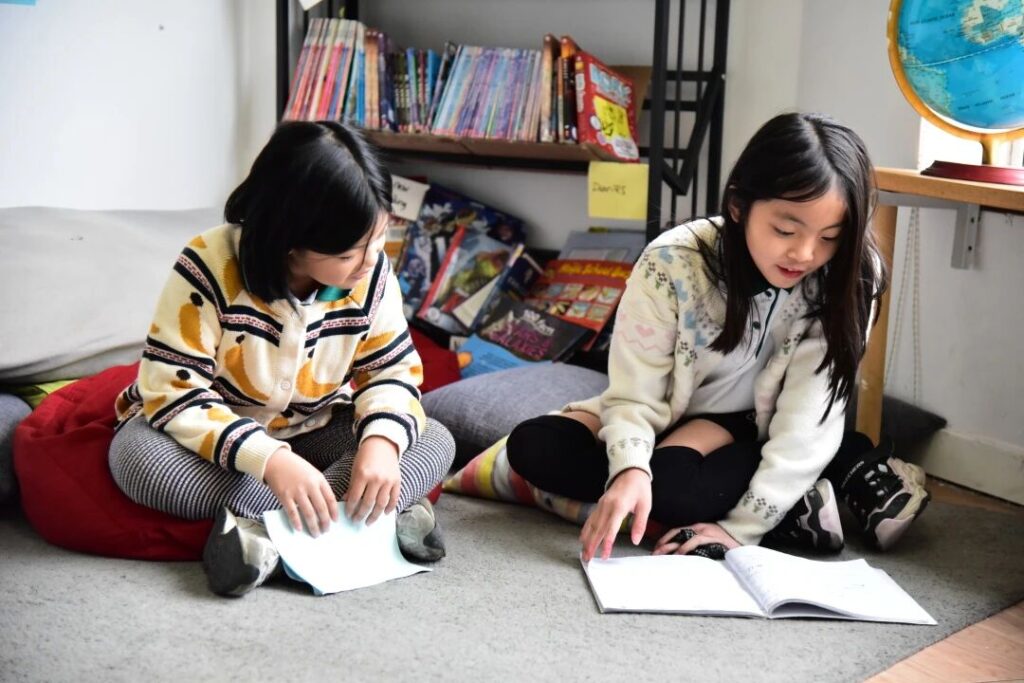
Parent Alert: The most balanced summers include a healthy mix of activities and open, unstructured time for children to recharge and explore freely.
10
– Reflective –
/
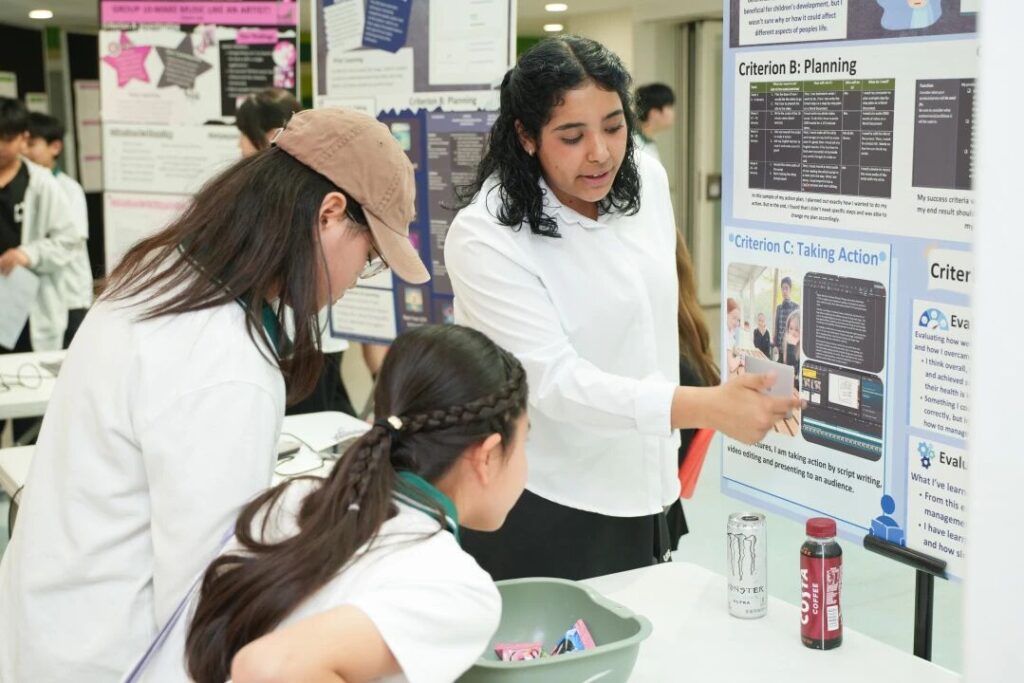
Metacognition—thinking about one’s own learning process, strengths, limitations, and growth.
Try This at Home:
- Portfolio: Collect works, photos, and reflection records. PYP students have the PYP Exhibition at year-end; a family portfolio is the best rehearsal.
- Family Reflection Meeting: Mid-summer and end-of-summer, using the IB reflection cycle:What went well? (What was my greatest growth?)What am I proud of? (My proudest moment?)What will I do differently? (What to improve next semester?)
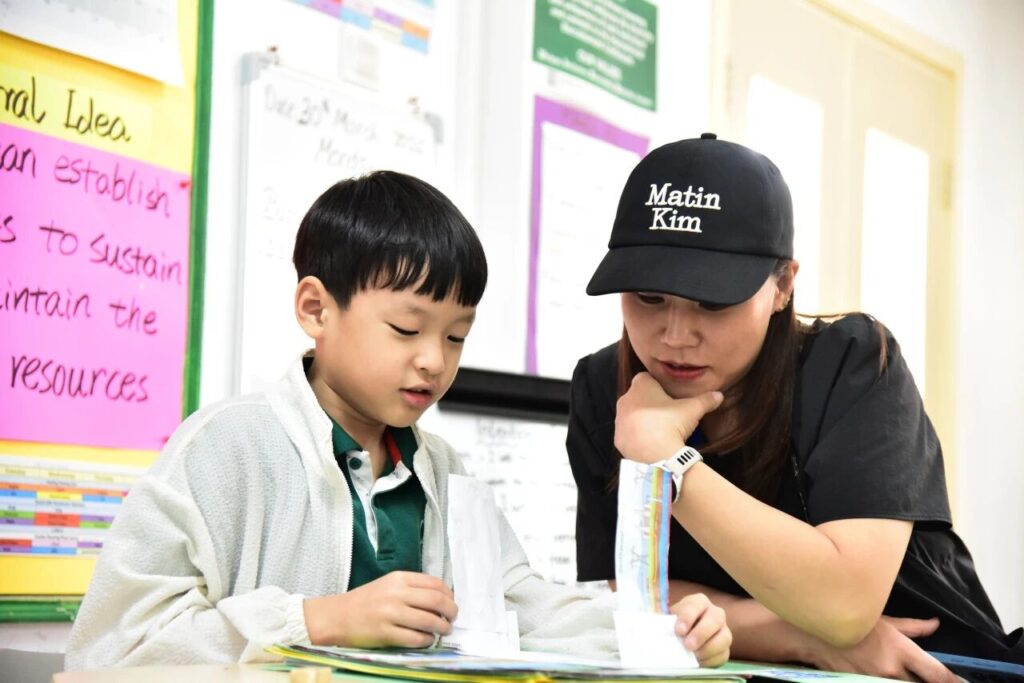
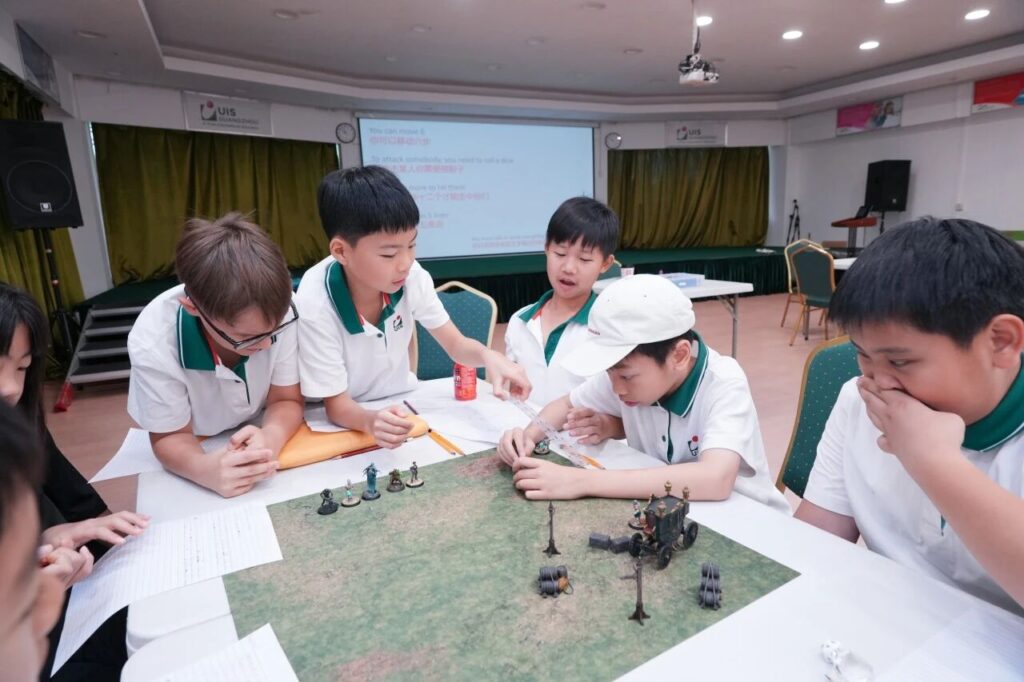
Reflection isn’t reviewing mistakes but understanding your own learning.
– Final Thoughts –
/
IB assessment never happens only in exam halls. The PYP Exhibition, MYP Personal Project, DP Extended Essay—behind these signature achievements lies what we have believed for nearly three decades:
“IB Learner Profile traits are not slogans on a wall, but habits flowing through daily choices.“
Across these two articles, we’ve covered all ten traits—from Inquirers to Reflective. But remember you don’t need to tackle them all at once. Choose one or two that resonate most with your family right now. Start small. Be consistent.
This summer, you don’t need to become an IB curriculum expert. Just do three things:
- Ask curiously (spark inquiry)
- Listen patiently (cultivate communication)
- Accompany sincerely (transmit caring)
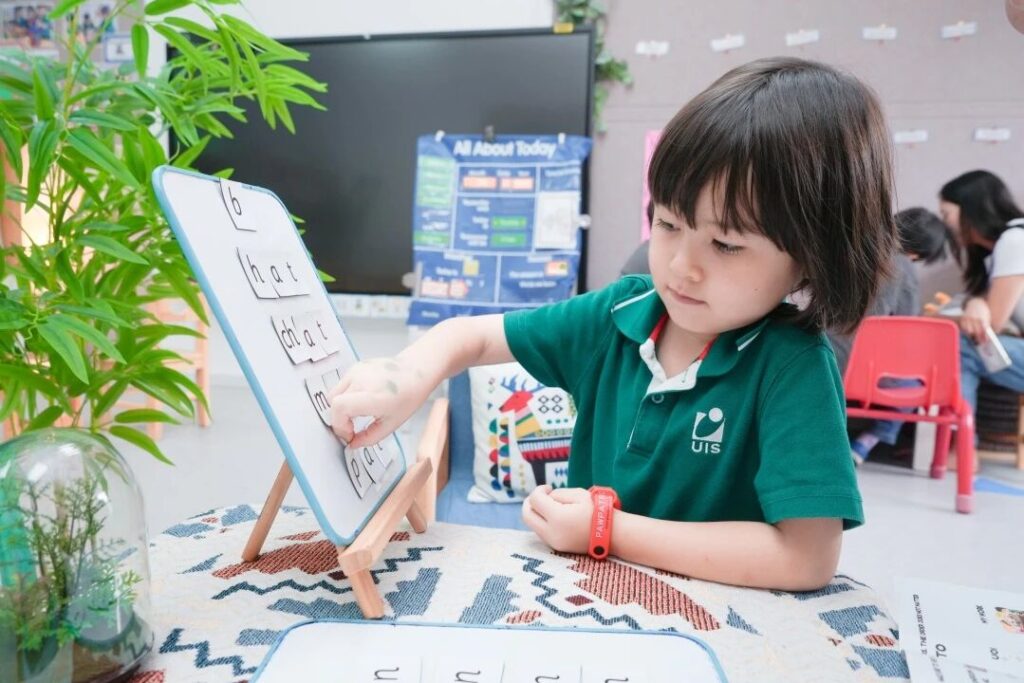
The rest, leave to your child’s own growth. The seeds you plant today—through a question at dinner, a shared movie discussion, or a moment of genuine listening—will bloom into the lifelong habits that define an IB learner.
Thank you for joining this two-part series. Here’s to a summer of intentional, joyful, and meaningful growth—for both you and your child.
IB Learner Profile
UTAHLOY INTERNATIONAL SCHOOL GUANGZHOU
/ END /


 English
 Chinese
 Korean
 Japanese