



01.
Grade 7 Scripted Drama
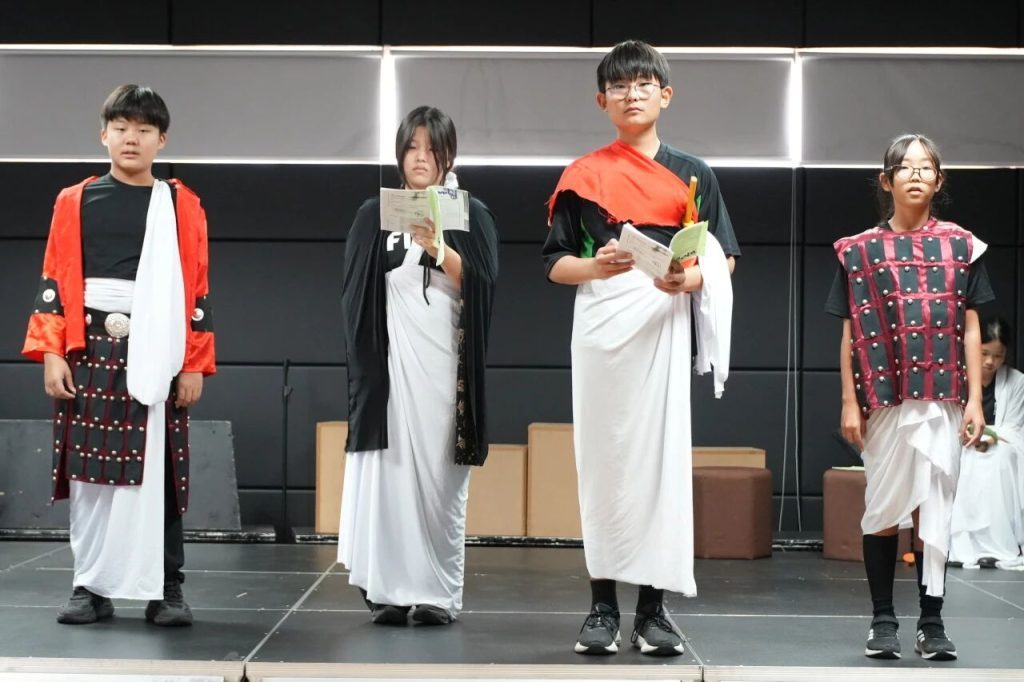
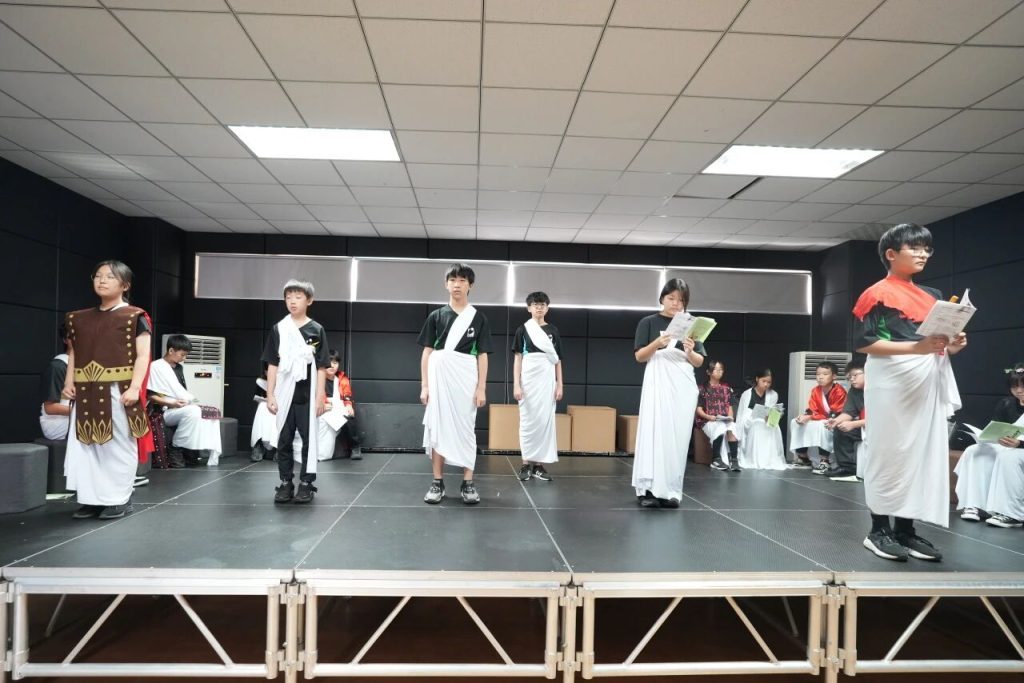
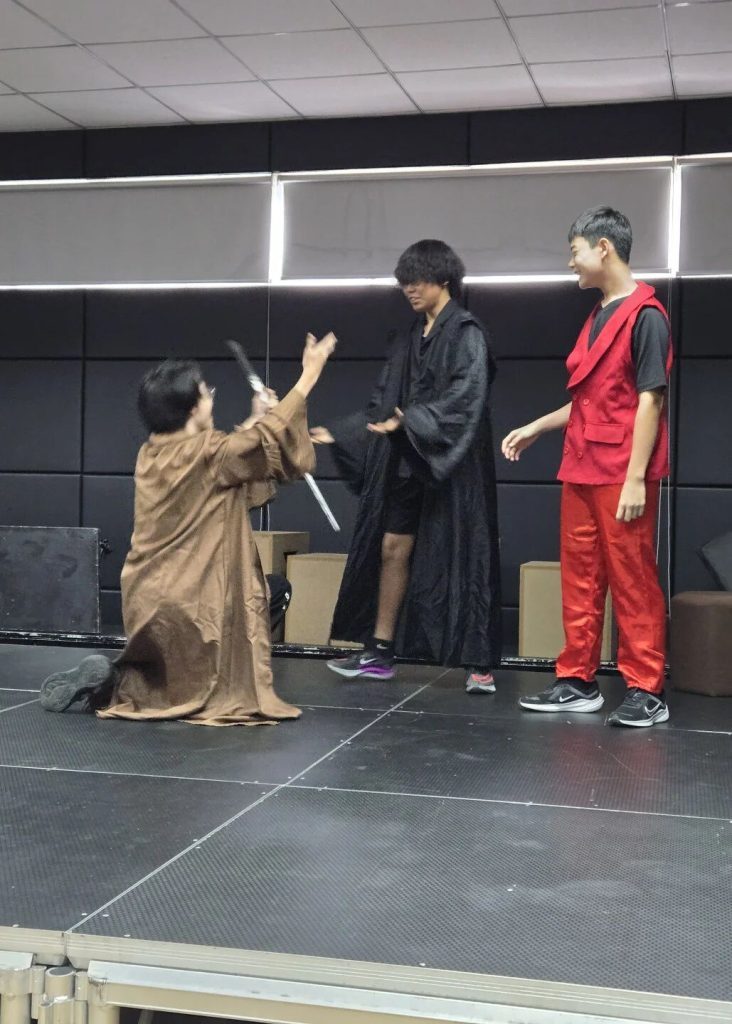
The Grade 7 Theatre trimester one students performed their Reader’s Theatre adaptation of Shakespeare’s “Julius Caeser.” The Grade 7 students having explored the different ways to improve their creative processes through improvisation and mime (body awareness) now learn the structures and practices to help them perform comedic roles in a scripted Drama play. This assignment was to engage the students in performing a scripted performance to showcase their talents as actors and improve their ability to perform to the public using strong vocal projection, good mime and effective storytelling and transforming into different characters wherever possible using aspects of melodrama and comedy. The focus was to become a ‘community of artists’ and to practice emotive reading by changing your emotional tones to match the words you are reading. Words can still be funny (even if everyone dies at the end of your play!)



02.
Grade 8 Commedia Dell’arte Group Scenes
Grade 8 explored the Italian genre of Commedia dell’arte through their Art of Comedy unit. First applying their research skills to an investigation of Commedia stock characters, students then formed groups and presented a Commedia scenario to their Grade 8 peers. The old men, Pantalone, Il Dottore and Il Capitano, appeared, as did the young lovers, Flavio and Isabella, and the Zanni (servant and clown characters), Arlecchino, Colombina, Brighella and Pedrolino, in hilarious and sometimes confusing situations.



03
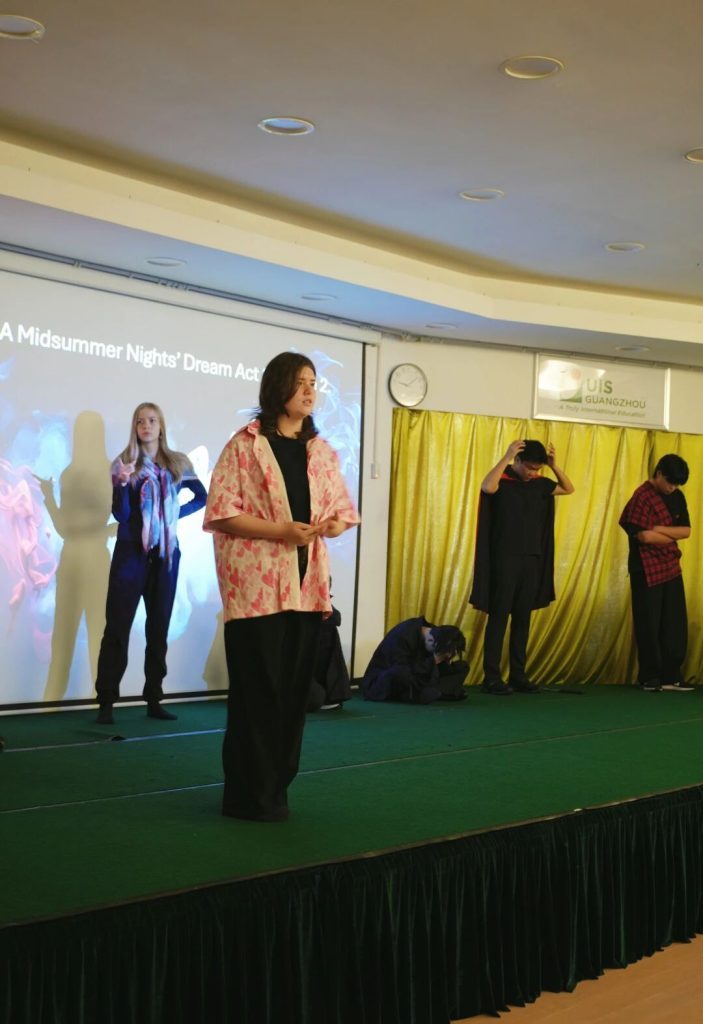
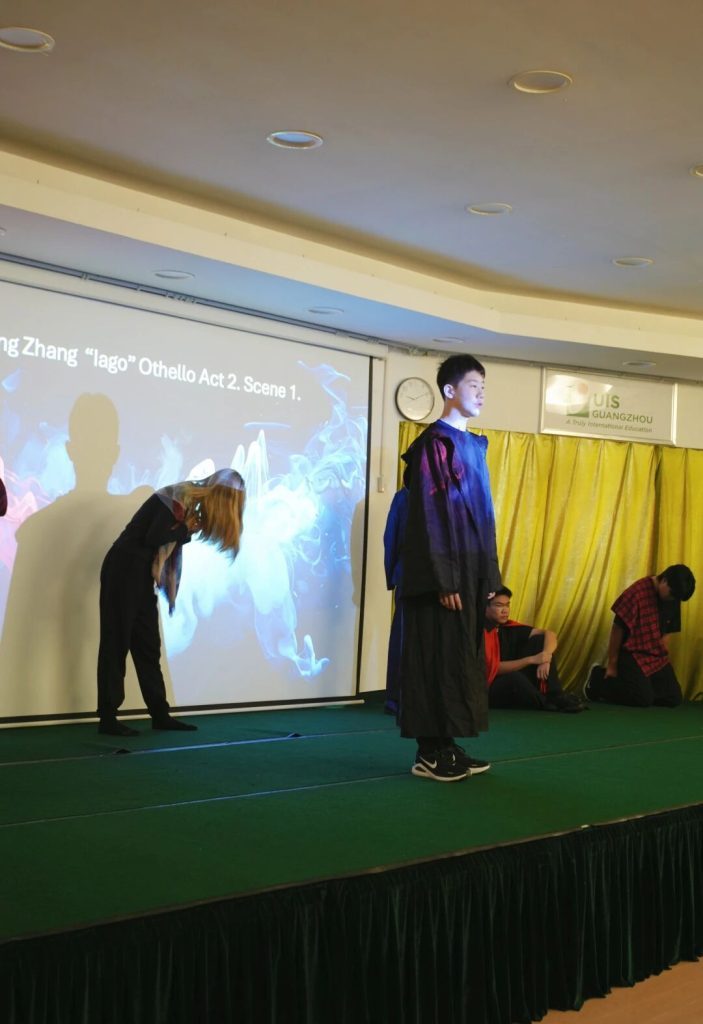
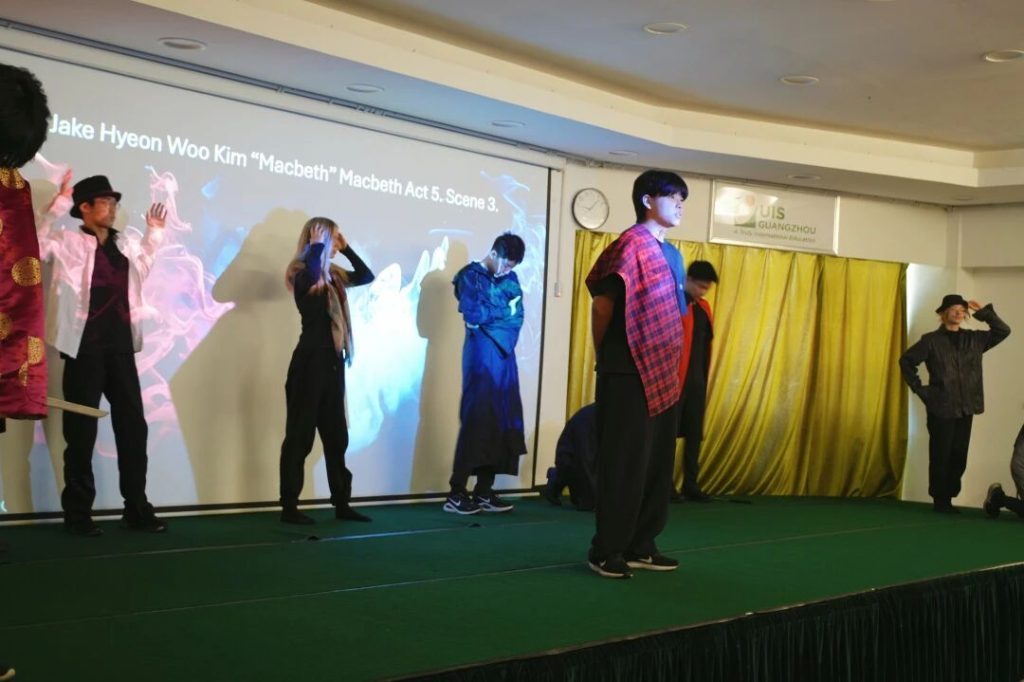
Grade 9 Shakespeare Monologues
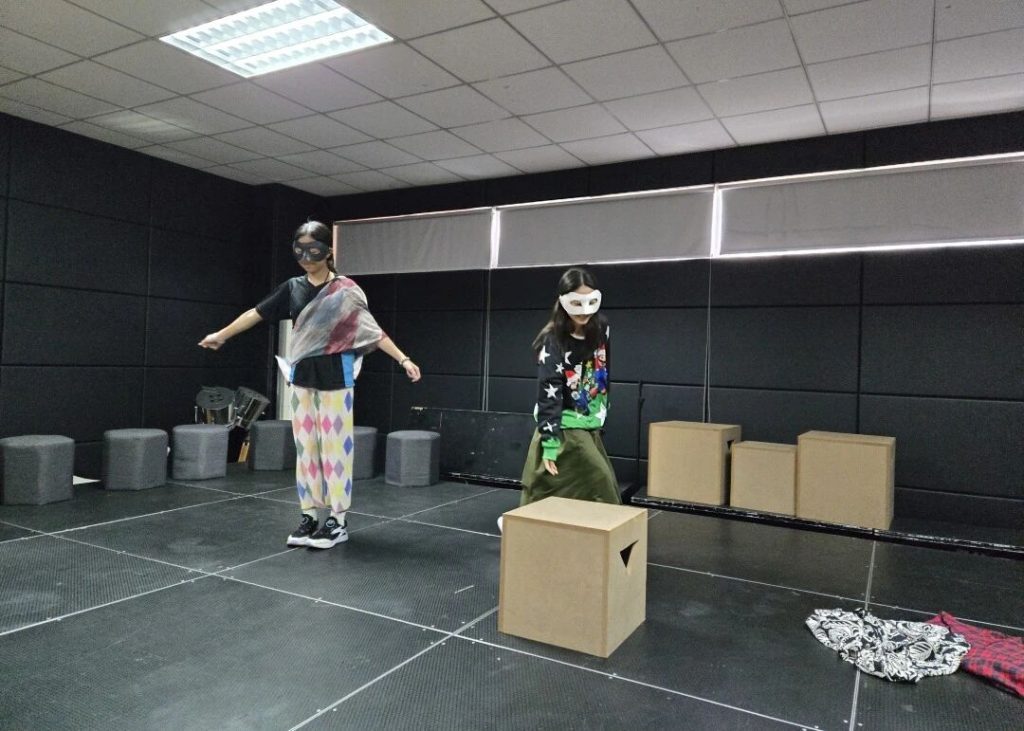
The Grade 9 Students were to choose, study, learn, rehearse, and perform a monologue from an original Shakespearean play text. The students needed to: interpret, shape, select, structure, and show insight into their role as actors as well as to work with a director on their monologues. Notes were taken and scripts annotated will show the interpretation, shaping, and selection of ideas and insight. (Arts Process Journal). Performing with flair (confidence and control) and showing good awareness, understanding and control of the style of play their monologue is from. They are consistently engaging with their audience and therefore, are using strong voice, body, and posture to keep their audience engaged with them.



04
Grade10 “Prometheus Bound”
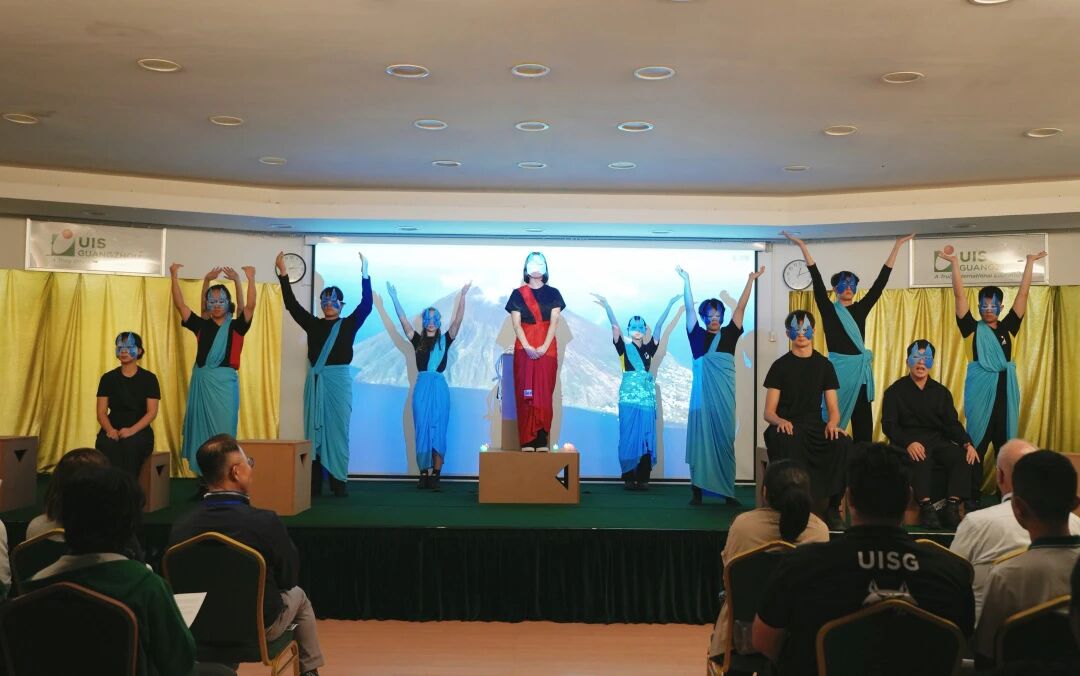
Grade10 “Prometheus Bound” a scene of an Ancient Greek play meets Tadashi Suzuki, a Non-Western Theatre style.
Students were to research, study, learn, rehearse, and perform the modern Japanese theatre form of Tadashi Suzuki AND then combine their physical theatre training with a piece of ancient text. Students had to: rehearse, learn, and perform the 10 walks and 4 basic positions. Maintain good participation, focus, and active listening. Participate in an in-class and public performance using the above skills. As seen back in September.
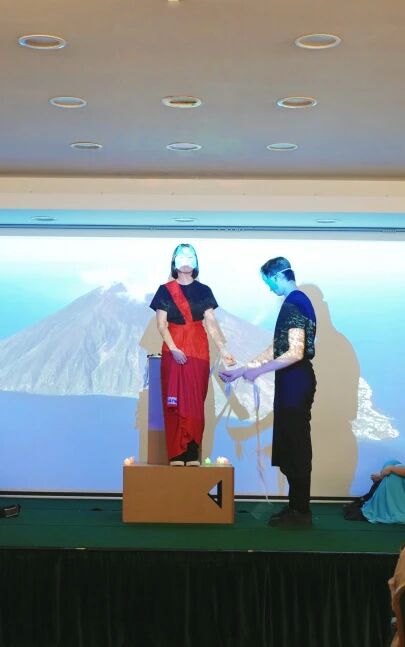
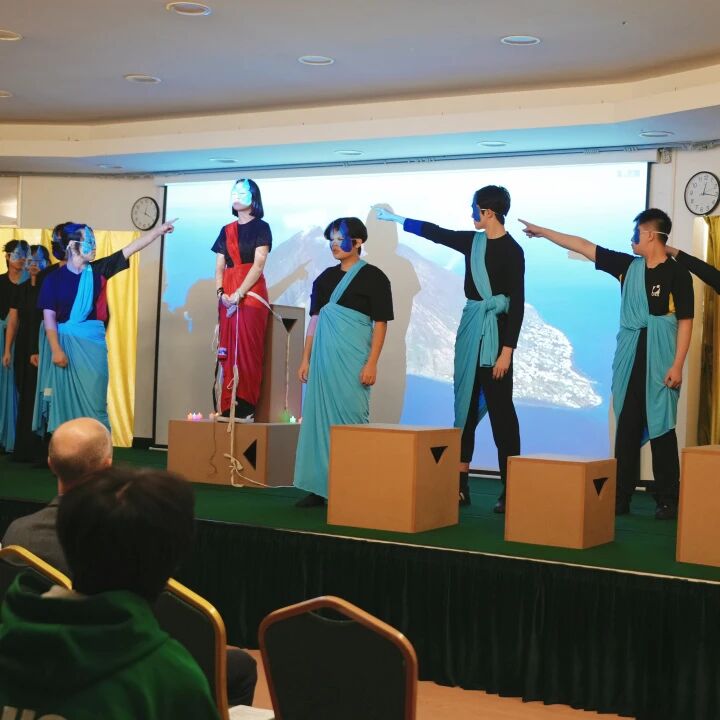

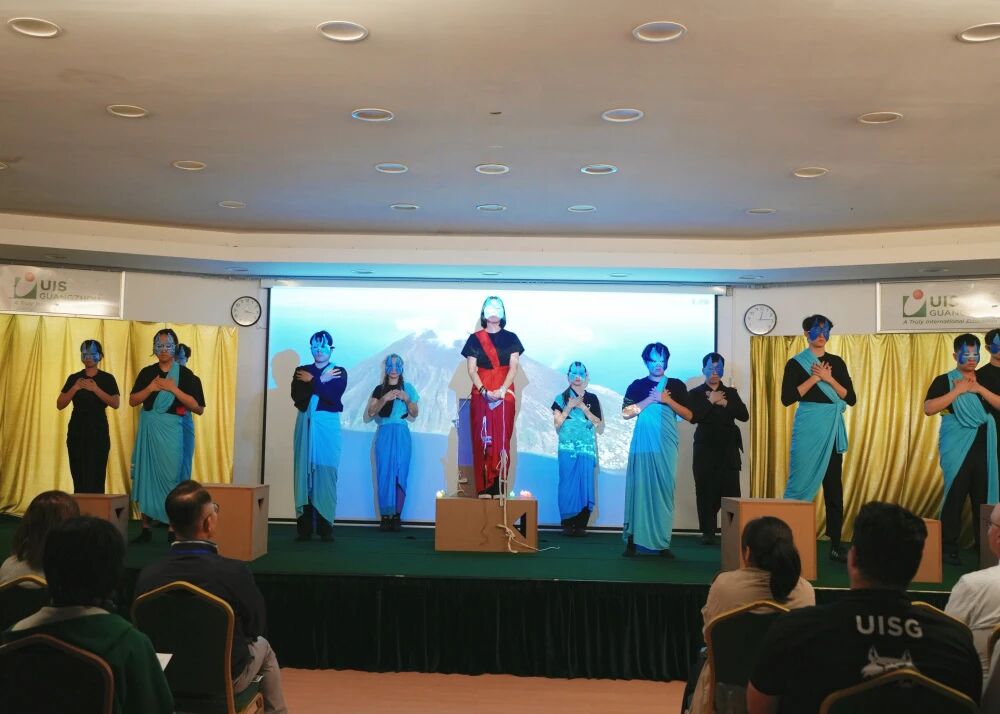

Students then needed to: go through the audition process, annotate their scripts, learn their choreography/blocking, and design their CREW duties (mask, costume, promotional poster, introductory PPT, and curating a soundtrack). Plus, interpret, shape, select, structure, and show insight into their role as an artist’s reflection writing (Arts Process Journal), shaping the selection of ideas, and insight. finally performing with flair (confidence and control) and showing good awareness, understanding, and control of the style.
By Miss Jennifer Lazareck
Secondary Performing Arts: MYP + DP Theatre
01
Grade 7 Scripted Drama
02
Grade 8 Commedia Dell’arte Group Scenes
03
Grade 9 Shakespeare Monologues
04
Grade10 “Prometheus Bound”
By Miss Jennifer Lazareck
Secondary Performing Arts: MYP + DP Theatre
/ END /


 English
 Chinese
 Korean
 Japanese